dailynewsnblog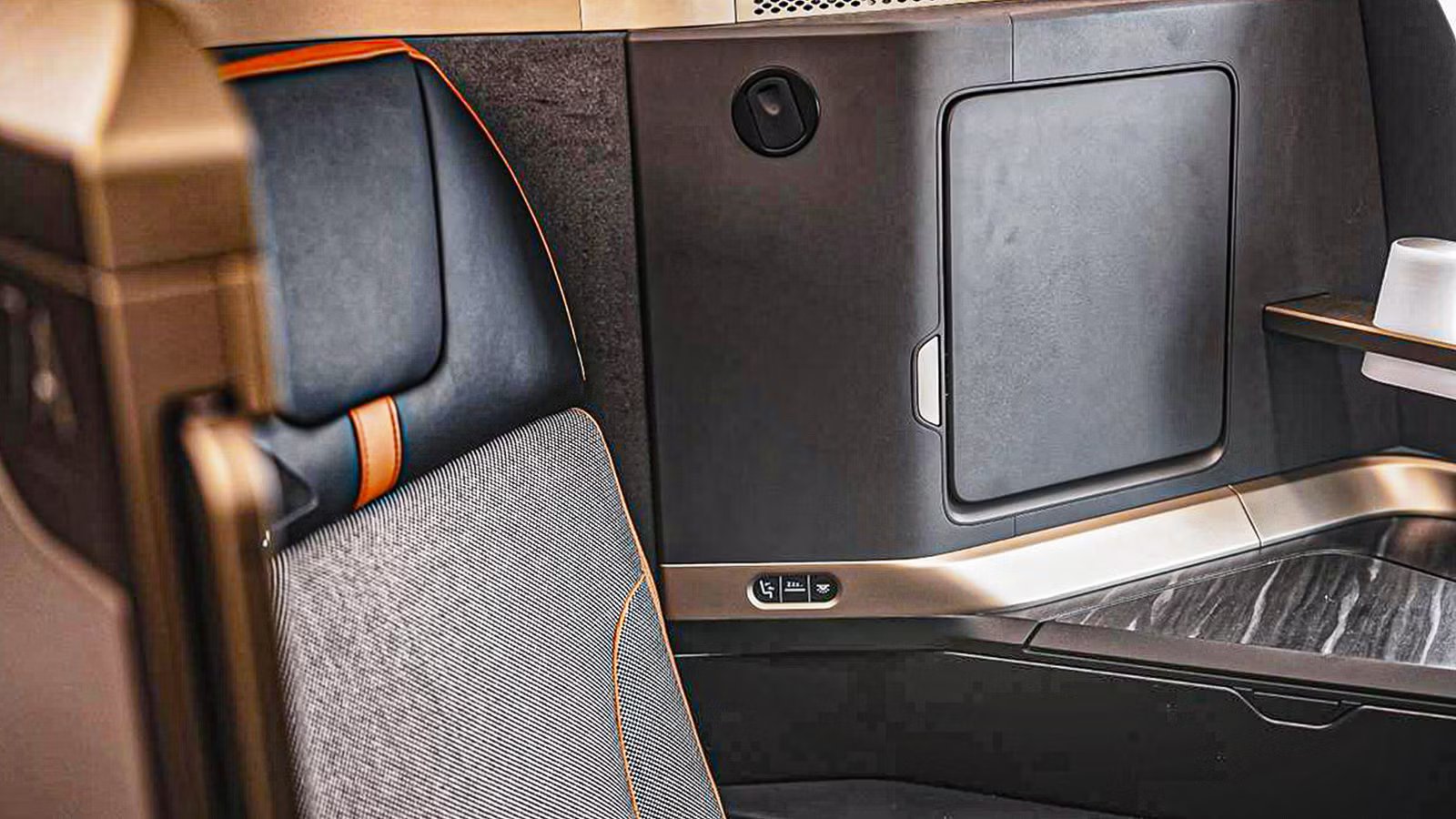
Starting in 2026, extremely few airlines are pushing premium travel as aggressively as STARLUX Airlines, and its new Airbus A350-1000 may be the clearest expression yet of that specific ambition. The Taiwanese carrier has begun taking delivery of the first 18 A350-1000s, positioning the type as its new flagship and using it to expand a distinctly premium-heavy overall cabin strategy. That ultimately matters because STARLUX is not just a carrier adding more seats, but rather one that is doubling down on the idea that long-haul business class can still feel genuinely like a new product. The aircraft carries 40 business-class seats, a sharp increase from the 26 found on the airline’s A350-900s, and those seats build on an already highly regarded hard product with sliding privacy doors and large entertainment screens.
The much-discussed, NASA-inspired “Zero G” recline mode, designed to improve comfort on ultra-long-haul flights, will also be deployed. When you add a four-seat first-class cabin, a boutique-luxury brand identity, and surprisingly competitive transpacific pricing, STARLUX has created a product that is not simply premium but deliberately attention-grabbing. The airline is making a serious bid to stand out and potentially define what innovation at the front of the plane looks like in 2026.
A Brief Overview Of STARLUX Airlines

Before diving into the specifics of the airline’s new business-class product, it is important to take a brief look at what exactly STARLUX is and the kind of business it operates. STARLUX is a young Taiwanese full-service network carrier that has attempted to position itself as less of a conventional regional airline and more of a boutique luxury carrier. The airline was founded by former EVA Air chairman Chang Kuo-wei and launched in 2020.
The carrier is based at Taipei Taoyuan International Airport (TPE), and it has built its identity around a premium design, high-end service, and an unusually polished onboard product for such a new market entrant, according to Business Insider. Rather than competing only on price or scale, STARLUX has tried to stand out through cabin quality, branding, and a more upscale passenger experience. This strategy is rather visible in both the airline’s fleet and network choices. STARLUX operates an extremely simplified all-Airbus fleet, including the A321neo, A330-900neo, A350-900, and now the A350-1000, all of which Airbus says will become the airline’s new flagship aircraft.
The carrier has expanded steadily across Asia and North America, with many analysts reporting strong demand for premium cabins. The airline is using the A350-1000 to deepen its presence in premium-heavy long-haul markets. In other words, STARLUX is best understood as a fast-growing premium airline serving Taiwan. It remains relatively small by global standards, but it is deliberately built to punch significantly above its weight in terms of overall service, brand image, and front-cabin ambitions.
A Bigger, Sharper Flagship Business Class Cabin

STARLUX’s brand-new business class cabin is relevant to passengers not just because it is extremely luxurious, but also because it has been intentionally built to make the airline’s flagship feel significantly more substantial. On the A350-1000, STARLUX has increased business-class capacity from 26 seats on the A350-900 to 40 seats, a jump of more than 50%, all while keeping the cabin firmly in the premium category rather than attempting to dilute it.
These seats are designed by industry design experts using the capable and proven Collins Aerospace Elements platform in a fairly standard 1-2-1 reverse herringbone layout, which means that every passenger will still get direct aisle access, a core benchmark of modern long-haul business class products. What makes this product eye-catching is the way it combines familiar premium-industry logic with more theatrical touches, including sliding privacy doors, very large entertainment screens, and a cabin presentation designed to look sleek rather than dense.
This is not simply a matter of adding more premium seats to meet demand. Rather, it is a deliberate attempt to scale up business class offerings without making them feel overly commoditized. That balance is very hard to get right, and STARLUX seems to understand that the cabin itself has become part of the brand. For an airline that sells aspiration as much as transportation, the seat is doing marketing work before the meal service on onboard the aircraft actually begins.

Starlux Airlines’ Premium Cabins: A Complete Guide
Passengers traveling in Starlux Airlines’ premium cabins can expect considerable inflight luxury.
The Seat As A Wellness Product

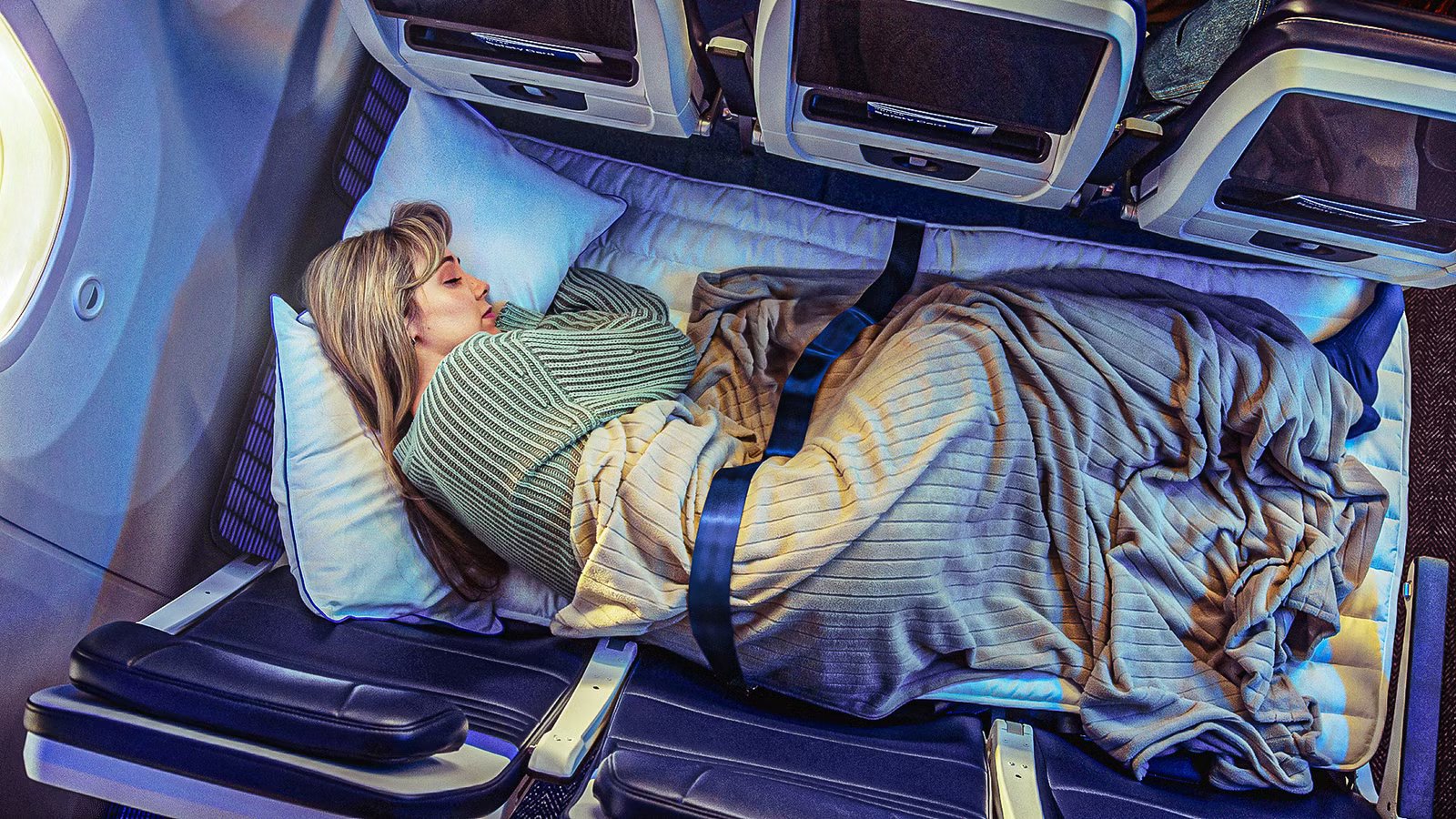
What makes STARLUX’s new business-class cabin more interesting than many competitors’ offerings is that the airline is not relying on bigger screens and prettier finishes. Rather, it is also trying to sell a different theory of comfort. The most distinctive feature is the so-called “Zero G” mode, a NASA-inspired seat position that raises the head and flows into a soft, extremely comfortable “W” shape.
This is specifically designed to reduce spinal pressure and improve circulation on long-haul flights. That is very important because many business-class seats now look impressive in photos but ultimately converge on roughly the same promise: a door, a flat bed, and some storage. STARLUX is trying to push beyond that kind of formula by integrating ergonomics into the airline’s overall product story. The result is thus a cabin that feels engineered not just for privacy but also for operational endurance.
On lengthy transpacific sectors, that really matters. Airlines increasingly compete on how rested a passenger feels after twelve or thirteen hours in the air, not just on whether the suite looks exclusive at boarding. By emphasizing posture, circulation, and overall bodily comfort, STARLUX can help frame and market its business-class product as less of a status symbol and more as a performance-enhancing travel environment. That is a clever shift because it gives the airline a differentiator that sounds functional rather than superficial.
Why Does This Cabin Matter To STARLUX’s Strategy?

The new business class cabin is not just a hardware upgrade. Rather, it is a strategic statement about exactly what kind of airline the company wants to become. The carrier has taken delivery of the first 18 A350-1000s and is using the type as its new long-haul flagship, with a four-cabin layout that includes first class, a large business-class cabin, premium economy, and economy. That configuration tells you everything you need to know as a tactical industry observer.
STARLUX is clearly an airline betting on long-haul growth, especially across the Pacific. It anticipates that premium demand will fuel market growth, with passengers willing to pay more for a curated experience. Industry analysts have reported strong premium demand and highlighted that STARLUX is pairing this upscale cabin with surprisingly competitive fares, including round-trip business-class pricing of around $2,600 on some US-Taipei itineraries.
That combination is central to the airline’s appeal. It wants to look exclusive without pricing itself into irrelevance. Therefore, the business-class cabin sits at the center of a broader boutique luxury identity, which includes premium-heavy, design-conscious, and other targeted elements that aim to make STARLUX feel more distinctive than a standard network carrier.

Huge A350 Premium Boost: Starlux Adds Over 50% More Business Class On A350-1000
From 26 business seats on their A350-900s to having 40 business seats on their new A350-1000, Starlux is going premium heavy.
How Does This Compare To The Airline’s Competitors?

When compared with the airline’s closest Taiwanese rivals, STARLUX’s new business-class cabin looks significantly more ambitious. EVA Air’s Royal Laurel product on the 787 remains elegant and comfortable, but it does rely on older-style privacy panels and smaller monitors. China Airlines’ A350 business class is also a solid reverse-herringbone offering, but it is much closer to a proven, conventional product than to a true next-generation suite.
When it comes to the aircraft’s hard product alone, STARLUX now appears to offer the most modern business class product among Taiwan-based carriers. The comparison becomes somewhat more difficult when you broaden it to Asia’s leading premium carriers. All Nippon Airways (ANA) and Japan Airlines (JAL) both offer business-class suites, and Cathay Pacific’s Aria Suite, all of which push privacy, space, and technology forward.
Privacy doors are now a key premium benchmark and not a differentiator on their own. JAL, in particular, has made a strong case with fully private rooms with massive monitors. The airline’s advantage is not that competitors are weak but rather that the carrier can combine top-tier hardware with a more boutique, design-led identity.
An Appealing New Product

In summary, the new business class product appears to be one of the market’s most appealing new transpacific options for premium travelers, especially those who value privacy. The need for an upgraded inflight experience and quality of service is essential for airlines competing in the transpacific market.
While STARLUX has an established advantage in overall product quality, it lacks the network breadth of many of its competitors in East Asia. Airlines such as JAL and EVA Air can certainly offer a much more extensive route network than carriers like STARLUX, which does leave them at a competitive disadvantage.
It is with this in mind that the airline has attempted to craft its own unique boutique identity in a market that is only continuing to change quite dynamically. This poses quite a challenge for operators worldwide, especially those who will now have to compete with STARLUX’s upgraded experience and product.