dailynewsnblog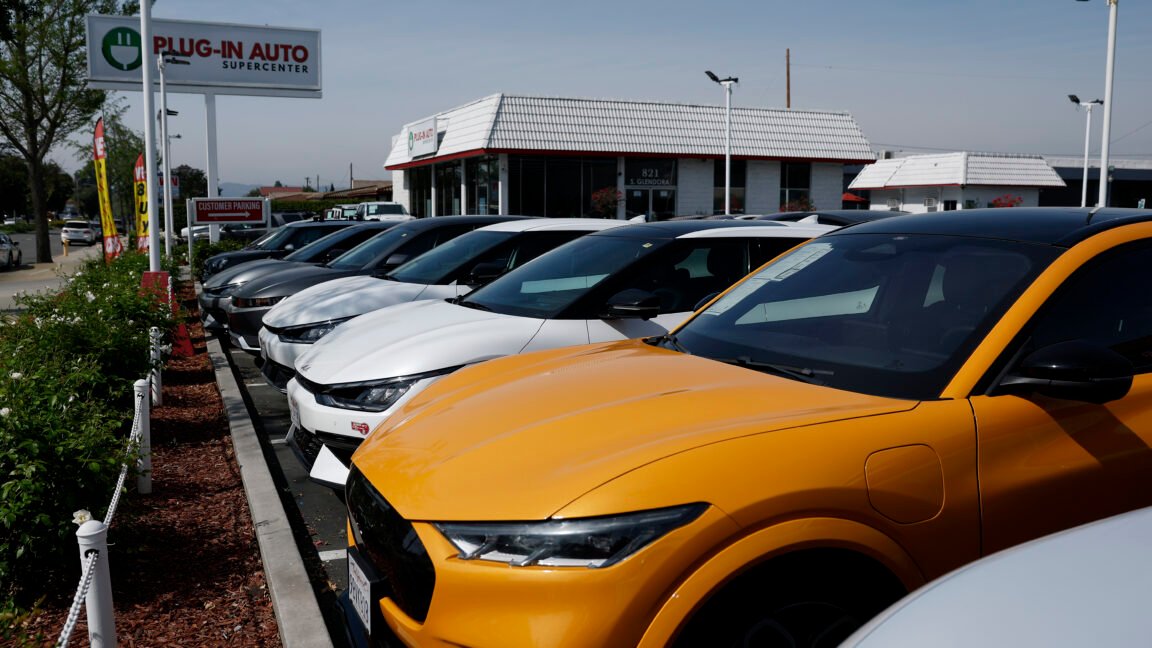
With the war in the Persian Gulf now more than a month old, the effect on fuel prices is plain to see: On average, they’re up almost a dollar per gallon, or 25 percent, according to AAA. For a nation as addicted to the automotive as we are, that’s bad news. Except, of course, for electric vehicles.
The last half year has been rough for EV adoption here in the US. At the end of last September, the Trump administration abolished the federal tax credit for both new and used EVs, one of a series of policies that has disincentivized automakers to build EVs and consumers to buy them. Battery factories have been cancelled or repurposed, and EV lineups have been slashed as OEMs write down billions of dollars in the process.
Some analysts have predicted a particularly grim Q1 2026. Cox Automotive, for example, forecast a 6.5 percent overall decrease in new car sales for the first three months of the year but a 28 percent decrease in EV sales for the same period. Without sustained high fuel prices, Stephanie Valdez Streaty, Cox’s director of industry insights, expects people to make fewer trips. “To materially change buying behavior and drive a trend toward smaller, more efficient vehicles, consumers would need to believe gas prices will remain elevated for years, not just months,” Cox said.
Read full article
Comments