dailynewsnblog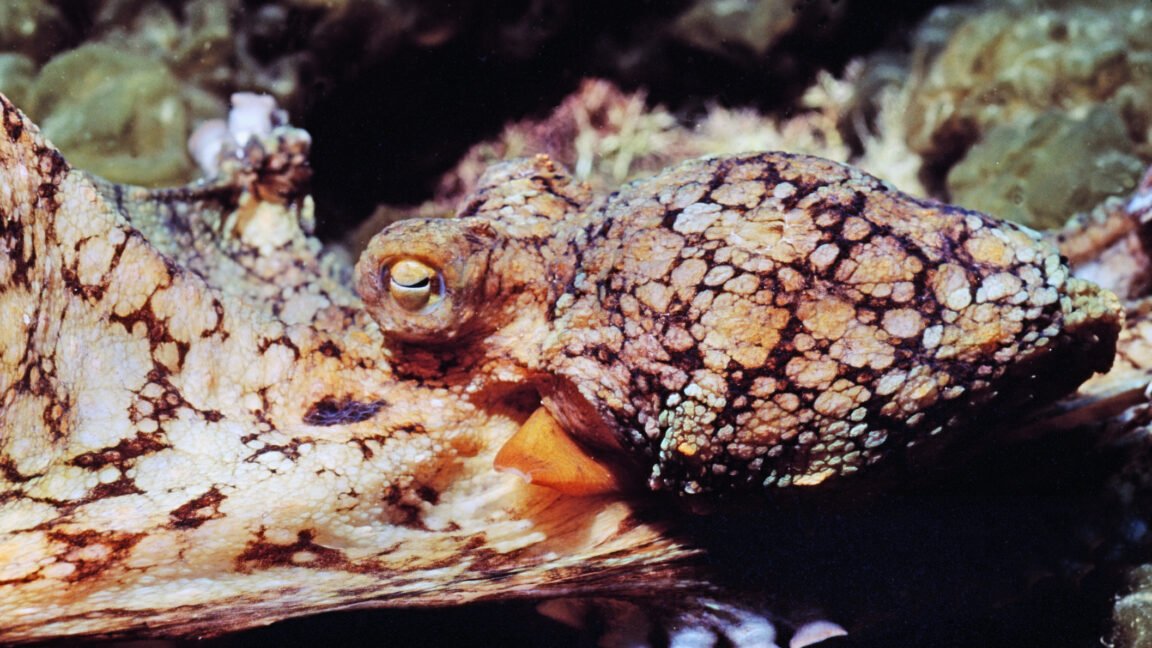
When the scientists paired two male octopuses in the same setup, the males interacted by touching arms, but they never attempted to mate. This suggested that a specific, female-derived chemical cue was acting as a biological green light for copulation. This immediately posed some questions.
What sensing apparatus might a male octopus have in his hectocotylus that enables him to unmistakably find the oviduct? And what is this female-derived cue that triggers the search?
Chemistry of touch
To figure out how octopuses’ sex life works at the molecular level, Villar’s team looked at the female’s reproductive organs first. They found that the female’s oviducts and ovary expressed high levels of biosynthetic enzymes critical for producing sex steroids. Specifically, the oviducts were packed with an enzyme responsible for the production of progesterone.
To check whether progesterone was the trigger, the researchers removed the female from the barrier tank and replaced her with conical plastic tubes coated with various chemical stimuli, sliding them into the small holes of the wall divider. When the male encountered the tube coated with progesterone, he actively explored it, demonstrating the same mating search behavior he used on the female’s mantle. By contrast, tubes coated with structurally similar steroids, bile acids, or bitter-tasting molecules failed to elicit the same response.
It seemed that evolution solved octopus sex by repurposing mechanisms they usually use for hunting. Octopuses use their regular, non-mating arms to hunt by relying on a taste-by-touch system to explore the seafloor for prey. This predation is driven by a distributed nervous system within the arms, studded with specialized chemotactile receptors. It turned out that the chemotactile receptor, a protein called CRT1, in the hectocotylus also responds to sex cues.
Scanning electron microscopy revealed that the tip of the hectocotylus is covered in small sucker cups that are structurally identical to the sensory suckers on their regular hunting arms. What’s more, these specialized mating suckers are densely packed with neural clusters. Just like the arms used for tracking down a crab, the hectocotylus expresses a high concentration of chemotactile receptors, alongside mechanoreceptors.