dailynewsnblog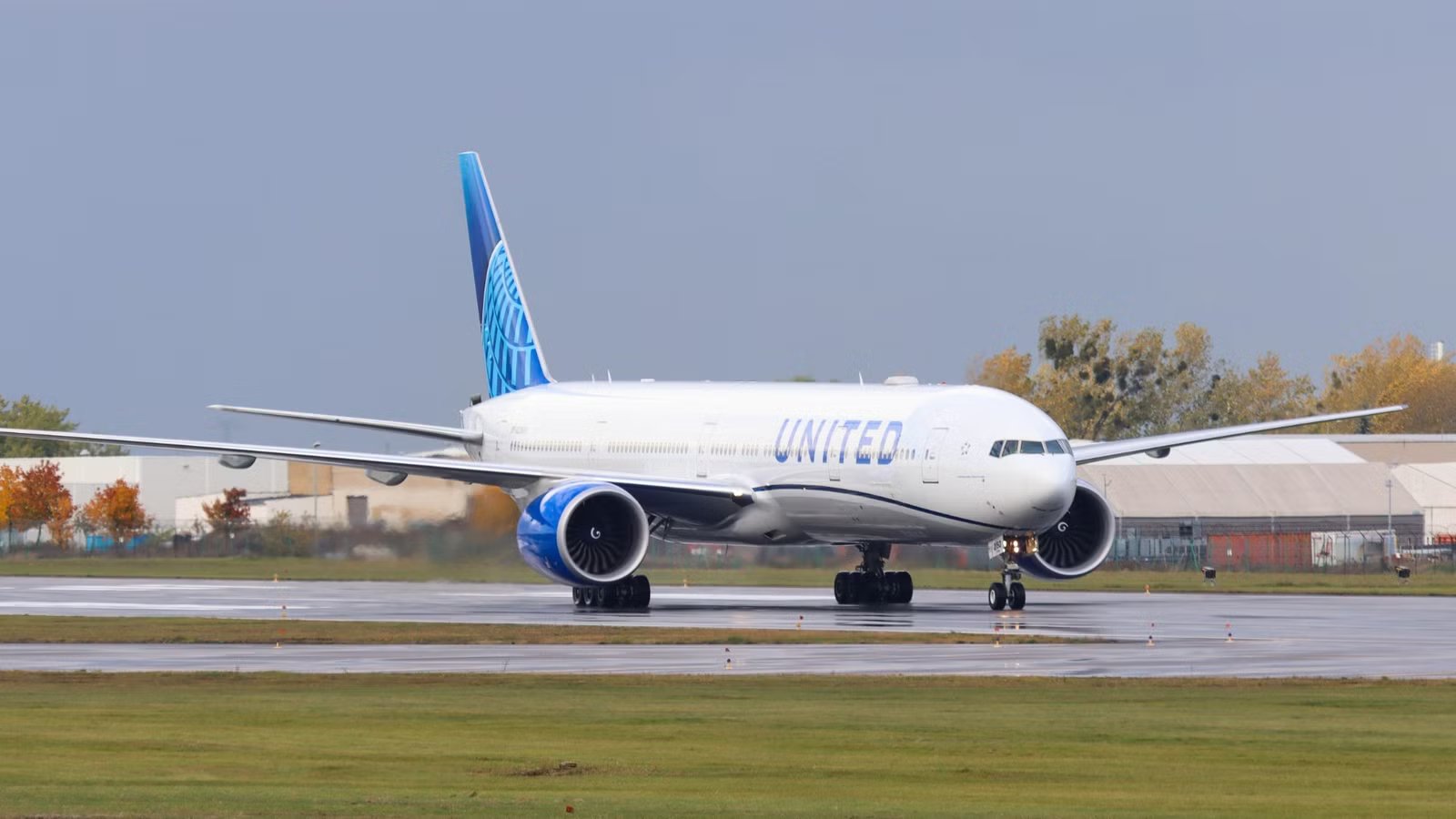
On Thursday, April 2,  United Airlines increased its checked bag fee by $10 due to increased operational expenses directly related to the cost of fuel. CNBC reports that United is the second US carrier this week to raise baggage fees because of the increased cost of oil that has resulted from the attack on Iran by Israel and the United States.
The cost of jet fuel has gone up more than 82% since the first strikes on Iran were launched on February 28, 2026. It is now $45 to check the first bag on a domestic flight if booked ahead of time and $50 when selecting a checked bag within 24 hours of departure time.
A Global Fuel Crisis: Iran’s Grip on American Oil

Since the US and Israel began a massive campaign of aerial bombardment against Iran, the Strait of Hormuz has been closed to almost all tanker ships. The critical maritime channel is the sole means of navigation to access 20% of the world’s oil supply. The disastrous supply chain lockdown has seen jet fuel nearly double, rising from $2.50 per gallon to over $4.50 with potential to increase even more.
JetBlue was the first to begin passing on the pain of rising cost to customers when it increased checked bag fees by $4 to $9 depending on the destination, as CNBC also reported. While the United bag fees have gone up, the airline is still allowing free baggage for United Chase credit card holders, MileagePlus Premier members, military flyers, and customers booking premium airfares.
CNBC quoted a spokesperson from the airline giving this simple statement in reference to the policy change:
“United is raising first and second checked bag fees by $10 for customers traveling in the U.S., Mexico, Canada, and Latin America beginning with tickets purchased Friday, April 3.”
The Battle Over Iran Pushing The Price Of Oil Sky High

The ongoing conflict in Iran has triggered a global aviation crisis. As the energy shot continues to spiral, the Trump Administration has also made threats to strike Iranian oil infrastructure directly. In a highly criticized decision, the US also temporarily eased sanctions on Russian oil, which has come under attack for enriching Vladimir Putin and supporting the militarized economy amidst the invasion of Ukraine.
For every carrier in the world, aviation fuel is the second-greatest investment in day-to-day operations after labor. Airlines around the world have begun increasing baseline airfare by 10 to 20%. Some are adding fuel surcharges to ticket prices, as carriers around the world struggle to manage increased operating costs.
Temporary sanction waivers for Russian oil shipments already at sea are allowing countries like India and China to continue imports that would otherwise be restricted. This has also strengthened China’s position as it has amassed a strategic reserve of over 1.2 billion barrels of oil at below market rates from Russia and other ‘rogue states,’ according to Fox News.

The Arsenal Of Epic Fury: Every US Aircraft Taking Part In The Strikes On Iran
Breaking down the staggering airpower massed in the Gulf.
Petro-Security Pacts: American Allies Taking the Hardest Hits

The conflict with Iran is feared to potentially begin a systematic collapse of the economic and security models of the regional alliance in the Gulf. These nations are both important defense partners and major oil exporters that help keep prices down in the US and elsewhere. America’s most important partners in the area, like the United Arab Emirates, Qatar, Saudi Arabia, Kuwait, and Bahrain have all taken significant blows since the beginning of Operation Epic Fury.
Despite not being direct combatants, US regional partners have suffered extensive physical damage from Iranian retaliatory drone and missile barrages. Dubai International Airport (DXB) has been struck at least three times, including a fuel tank hit that caused large fires and multiple evacuations. Zayed International Airport (AUH) and Kuwait International Airport (KWI) have also been targeted, with the latter suffering a large fire at its fuel farm on April 1, 2026.
Global airline capacity fell by roughly 2.5% in the first three weeks of the attack, with Middle Eastern carriers seeing a 56.5% decline in flights. Massive portions of Middle Eastern airspace are closed, forcing airlines to take longer, more circuitous routes that burn significantly more fuel.
The conflict has also flipped the region’s economic strength into a vulnerability due to its reliance on imports with massive increases in food and other daily goods spiking by nearly double the cost before the beginning of the conflic Iran has specifically targeted desalination plants, which provide 99% of drinking water in Kuwait and Qatar, sparking fears of a humanitarian crisis alongside the military conflict.