dailynewsnblog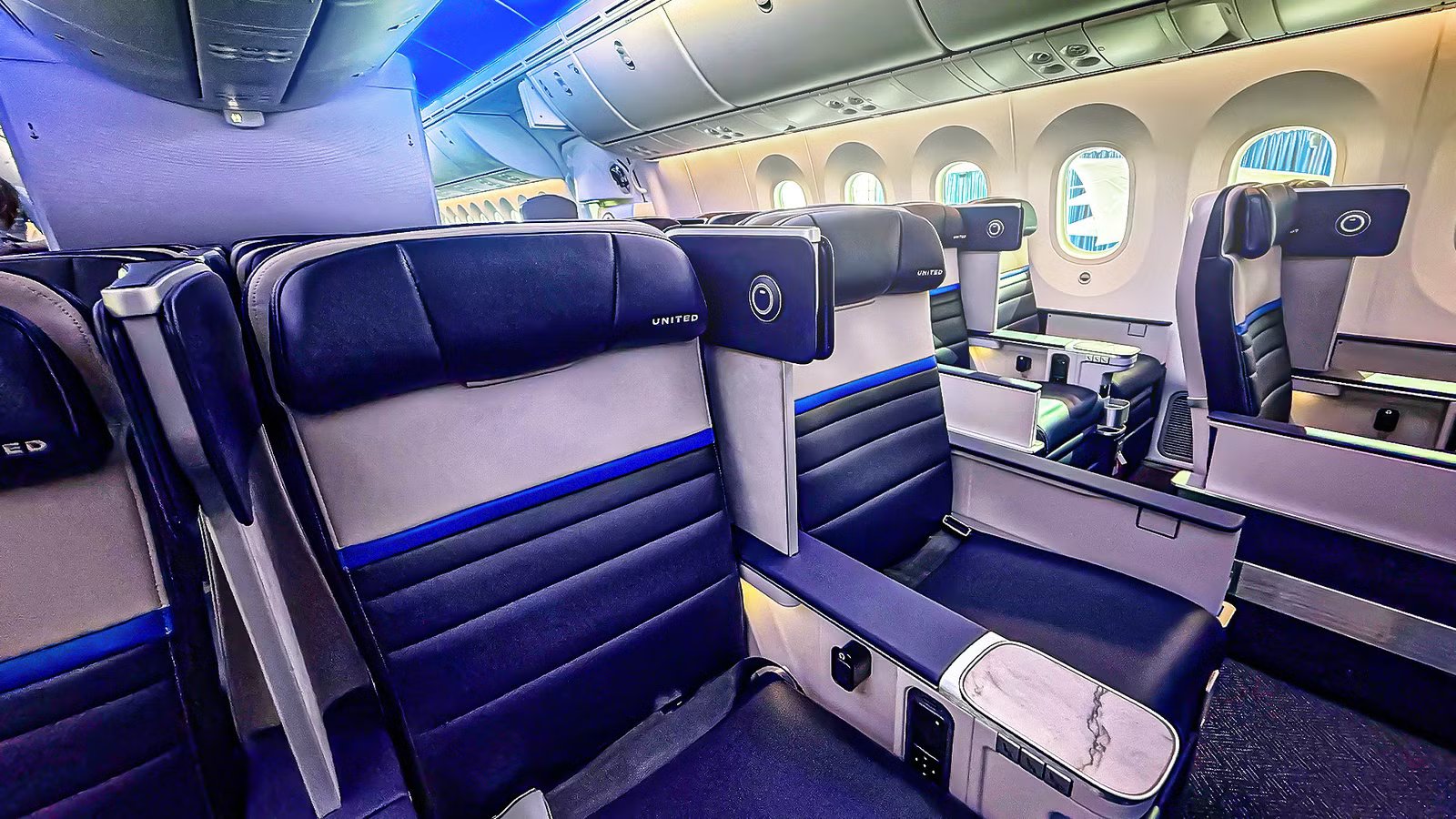
The Premium Economy has quickly become one of the fastest-growing segments in long-haul travel, especially on busy transatlantic routes, with demand now outpacing supply. Air Monitor report from 2026 shows fares rising by around 1.8% as more travelers seek extra comfort without paying business class prices. What used to be a niche upgrade is now a major focus for airlines aiming to balance affordability with a better onboard experience.
While Simple Flying has already written about which airlines provide the most spacious premium economy cabins, this article looks at something more practical. It examines how much space you actually gain aboard premium economy class and whether it truly makes a difference.
Premium Economy Isn’t Just A “More Expensive Economy”

The premium economy often gets overlooked as just a more expensive version of the economy, but that idea is far from accurate. This cabin class is meant to fit between economy and business. It provides real upgrades in comfort, space, and service without the full cost of business class. For long flights, these improvements can change the experience from cramped and tiring to genuinely comfortable. According to a Freedom Destinations report, the better experience starts at check-in, as there is a “dedicated area” for check-in or bag drop, and you can take more bags on your trips.
The physical differences are both measurable and noticeable. Premium economy seats typically offer 36 to 40 inches (91 to 102 cm) of pitch. In standard economy, the pitch typically ranges from 29 to 32 inches (74 to 81 cm). These premium seats also have slightly wider cushions and more recline. Airlines like Virgin Atlantic and British Airways place these seats in smaller, separate sections. Additionally, the layout, often 2-4-2 instead of 3-4-3, makes moving around and reaching aisles much easier.
Beyond the seats, premium economy provides a more thoughtful onboard experience. Amenity kits, adjustable headrests, larger tray tables, and sometimes even better meal options all add to a sense of value that goes beyond just extra legroom. As reported by Freedom Destinations, travelers frequently mention that the smaller cabin size and added features make this class feel like a mini-business cabin.
Legroom & Seat Upgrades: The Biggest Physical Differences

When it comes to comfort in the air, legroom and seat upgrades are the most noticeable differences between economy tiers. According to a Travel + Leisure report, for long-haul travelers, the comfort gained from extra space can make the higher ticket price worthwhile. Standard economy offers a simple experience with no extra features. In contrast, premium economy and economy plus provide added space that can significantly improve how you feel after hours of flying.
Premium economy seats usually offer five to seven inches (13–18 cm) of extra legroom compared to standard economy. They also have two to three inches (5–8 cm) more recline and slightly wider cushions. Economy plus, while not as luxurious, typically provides around three to four inches (8–10 cm) of extra legroom and may come with priority boarding or assigned overhead bin space.
Airlines like  Delta Air Lines,
  American Airlines, and
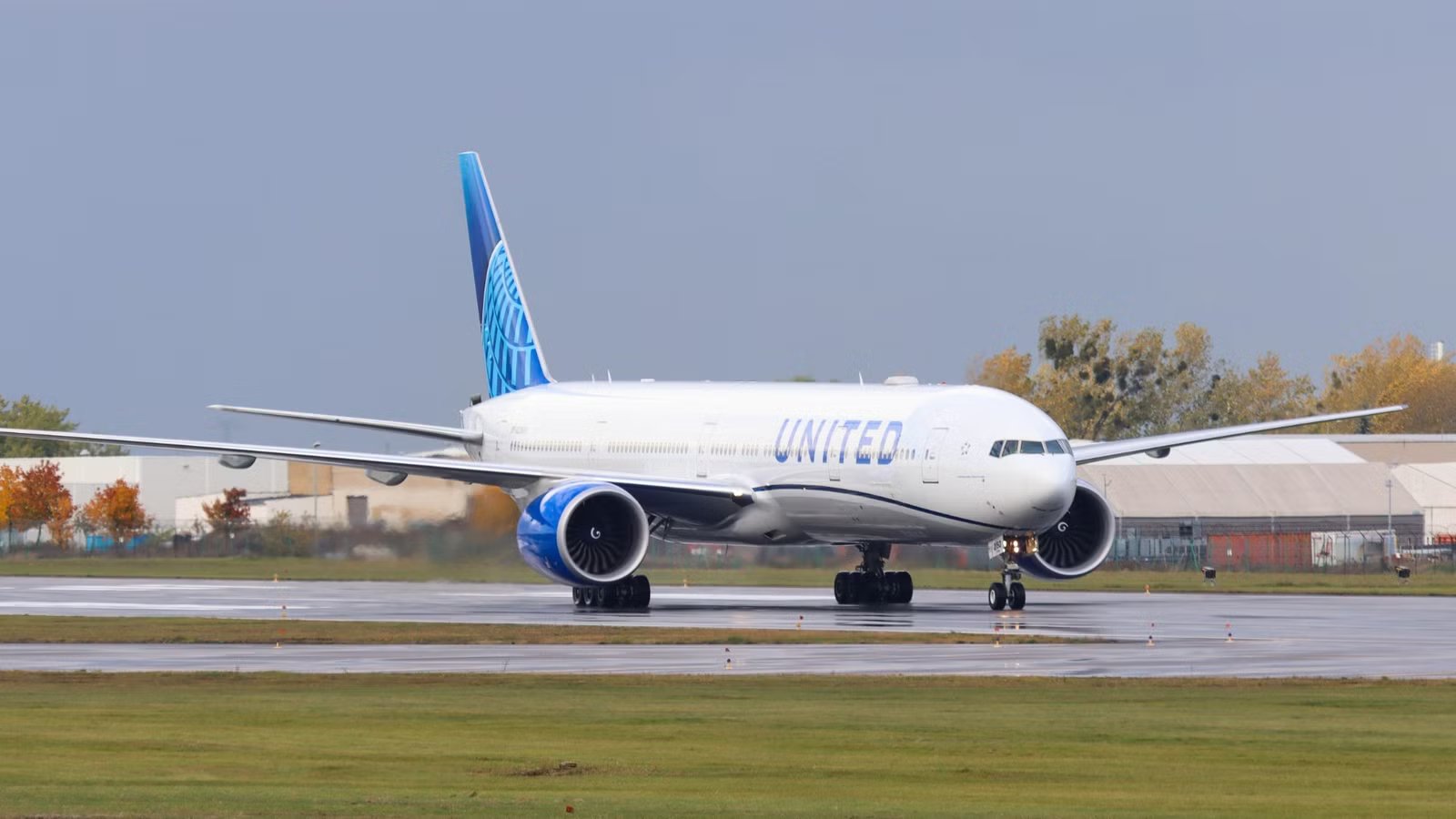
  United Airlines each have branded programs (like Delta Premium Select, United Premium Plus, and Main Cabin Extra) that have these physical upgrades along with benefits like free checked baggage or better meal options.

Cathay Pacific Airbus A350-1000 Economy Vs Premium Economy: Features Compared
How to decide whether to splash out on Premium Economy or stick with Economy on Cathay A350 long haul routes.
The Little Things That Make Premium Economy Seats Feel Luxurious

Flying in premium economy isn’t just about a bit more legroom. It’s the small upgrades that make the whole experience feel more comfortable, too. According to Remitly’s report, premium economy provides a travel experience that feels like more space, better service, and priority perks without the high price of business class. These upgrades include extra legroom, larger personal screens, adjustable headrests, and sometimes amenity kits.
Over the years, airlines have improved these features to meet the needs of travelers who want comfort without the full cost of business class. “You get more comfort than in economy, with wider seats, greater recline, and a better seat pitch for more legroom,” the report notes. This highlights why travelers often find the upgrade worth it.
In addition to the seat itself, perks like priority boarding, dedicated check-in counters, and extra baggage allowances improve the overall experience. They reduce airport stress and let passengers settle in sooner. On long flights, these combined benefits can greatly affect how refreshed travelers feel when they arrive.
Why Premium Economy Cabins Feel Less Crowded Than Economy

Wikimedia Commons | Simple Flying
As reported in Teeparam Travels & Tours, one of the first things passengers notice when moving to premium economy is the increased space. Unlike economy cabins, which can feel crowded and busy, premium economy sections have fewer seats per row and a smaller, dedicated area. This setup creates a more open and relaxed environment.
In economy class, most passengers are squeezed into large cabins with a seat pitch averaging 28 to 32 inches (71–81 cm), standard-width seating, and limited recline. In comparison, premium economy provides a seat pitch of 34 to 38 inches (86–97 cm). This gives travelers more room to stretch out. Seats usually feature layouts like 2-4-2 or 2-3-2 on wide-body planes, which reduces the number of passengers per row and makes it easier to move around. Extras like adjustable footrests, dedicated overhead bin space, and quieter cabin areas enhance the feeling of personal space.
The smaller cabin also improves service. Flight attendants can attend to fewer passengers, often leading to quicker meal service, faster responses to requests, and a more personalized experience. Passengers in premium economy usually get priority boarding, dedicated check-in counters, and a separate section, all of which help reduce congestion at the gate and on the plane. According to Teeparam Travels & Tours, these features work together to make premium economy have “more legroom, better food, or a quieter cabin” compared to economy, especially on long-haul international flights.

How Much Does It Cost To Upgrade To Premium Economy At Check-In?
Is waiting until the last minute the best strategy for your wallet?
How Much Space You Actually Get On Different Airlines

When it comes to premium economy, the added inches of legroom and wider seats greatly improve comfort across various airlines. Emirates, for example, places its Premium Economy cabin in a separate section of the aircraft. This arrangement gives travelers more privacy and easier access to the aisles. The seats are wider, recline farther, and feature better leg rests and adjustable headrests. Passengers also enjoy larger tray tables, USB and power outlets, and a better in-flight entertainment system, which helps them relax on long-haul flights.
In Cathay Pacific’s Premium Economy, passengers benefit from priority boarding, spacious seats that recline generously, full-length calf rests, and leather-padded footrests. The cabin features modern 15.6-inch 4K HDR screens with Bluetooth audio streaming for a more immersive entertainment experience. There are private lavatories with touch-free features, larger meal tables, and extra storage, making it feel like a mini business-class cabin. Michelin-starred meals and carefully selected drinks also enhance the journey, ensuring passengers arrive feeling refreshed.
LOT Airlines offers a solid premium economy option on long-haul flights as well. Its Dreamliner fleet includes ergonomic seats with adjustable headrests and footrests, individual inflight entertainment systems, and USB and power access. Travelers enjoy priority check-in, fast-track processing, and an increased baggage allowance of two 23 kg (50 lb) checked bags. Meals are served on quality porcelain with complimentary wine, showing the airline’s focus on comfort and attentive service from departure to arrival.

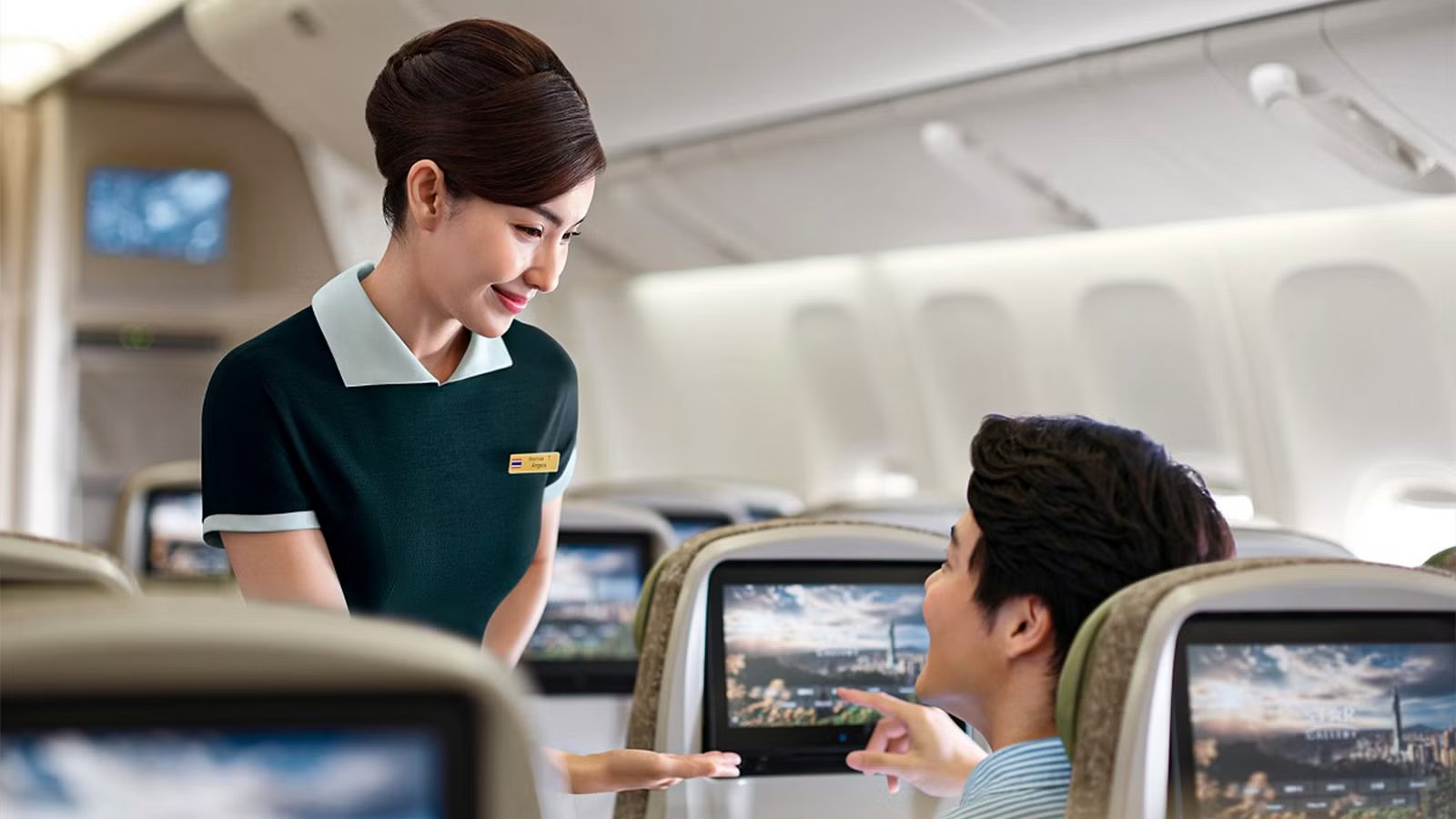
EVA Air | Simple Flying
For long-haul travelers, premium economy provides some advantages. The extra legroom, wider seats, and better recline noticeably improve comfort on flights that last six hours or more. Travelers on Reddit frequently point out the practical benefits. A couple in a 2-3-2 cabin layout found it easier to rest without bothering their neighbors. Taller passengers appreciated the extra legroom. Amenities like larger screens, priority boarding, and better meal service also help create a more relaxed journey, making the flight feel less like a chore and more like part of the vacation.
Whether the upgrade is worth it often depends on your priorities and the route you’re flying. Costs can vary widely. Sometimes, premium economy is only a little more expensive than economy, while other times it’s close to the price of business class. For overnight or very long flights, travelers say the extra space and comfort can be invaluable. Others, especially those who plan to sleep quickly or are watching their budget, may choose a regular economy and save money for other parts of the trip. The main point is to think about flight duration, personal comfort, and overall holiday budget.
Looking ahead, airlines are continuing to improve Premium Economy to attract more passengers. Experts believe that as airlines compete for long-haul travelers, Premium Economy will provide a “mini-business” experience without the high price. This offers an alternative for travelers seeking more comfort than standard economy without the expense of a business-class ticket.