dailynewsnblog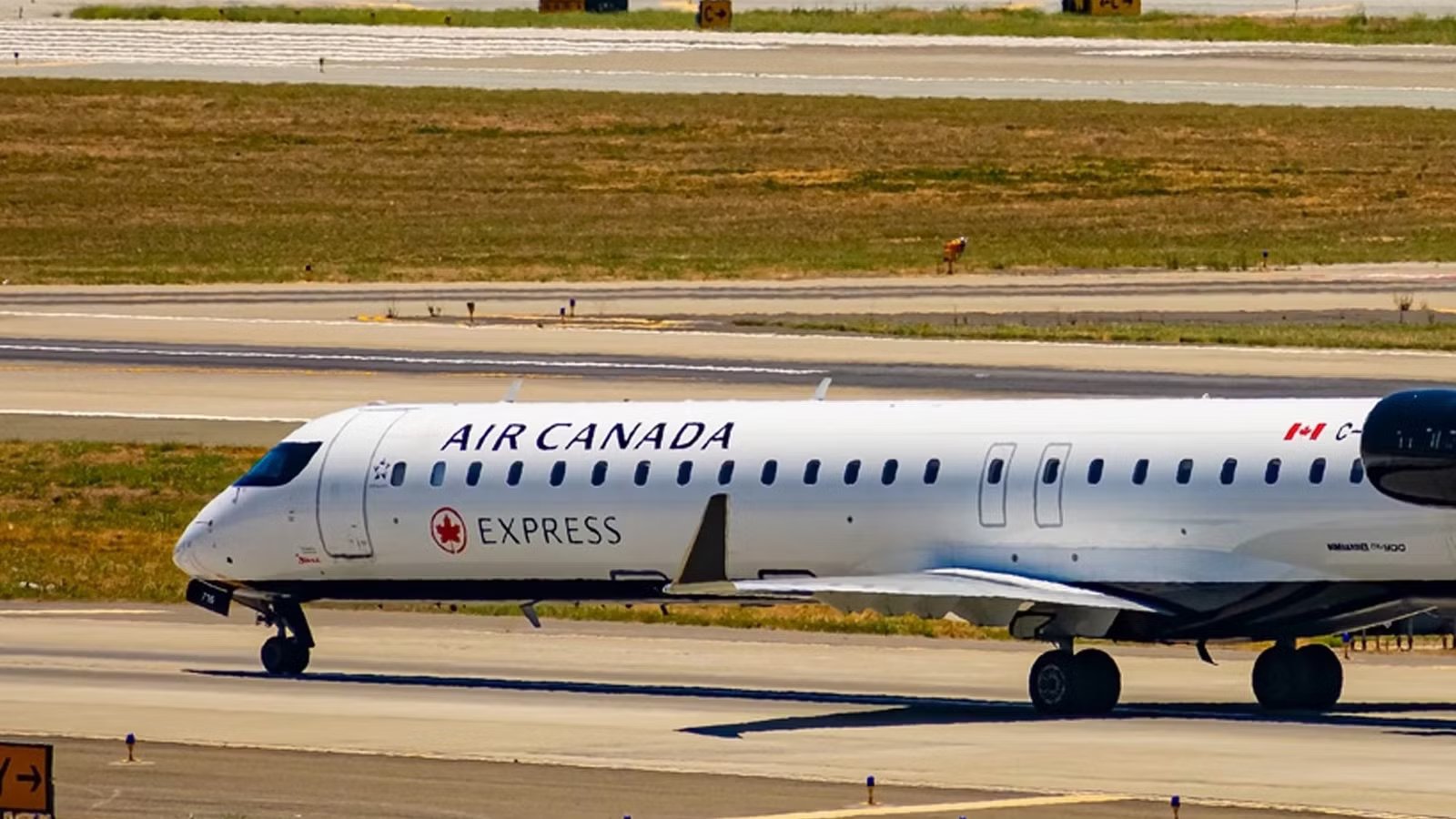
New details in the  LaGuardia Airport (LGA) crash investigation suggest that federal investigators are examining whether an overnight air traffic controller may have stepped away from his control console to use an emergency “crash phone” just moments before an Air Canada Express jet struck a Port Authority fire truck. The resulting incident resulted in dozens of injuries and the tragic death of both pilots on board the aircraft.
The question that remains now for both regulators and analysts is significant because it points to how a fast-moving emergency, thin overnight staffing, and runway coordination may have collided at one critical moment. Nonetheless, investigators have yet to reach any conclusions, and the inquiry remains quite broad. The case is increasingly a dynamic test of whether America’s strained air traffic control system is creating broader operational vulnerabilities.
A Brief Recap Of The LaGuardia Airport Incident And How It Occurred

The accident in question here occurred late on the evening of March 22 at LaGuardia Airport, when an  Air Canada Express regional jet tragically collided with the lead vehicle in a convoy of six Port Authority fire trucks. The emergency vehicles had been dispatched after a United Airlines crew reported a strange odor and escalated the issue to an emergency, prompting firefighters to respond immediately to the scene.
While no deaths occurred among the passengers or the firefighters involved in the incident, both pilots on board the Air Canada aircraft died, making it LaGuardia’s first deadly accident to take place in more than three decades. Investigators and regulators have since attempted to focus their analysis on the precise sequence of runway clearances, vehicle movements, and controller actions in the final moments before impact, while emphasizing that no single cause has yet been determined.
What New Developments Were Involved In This Story?

The most important new development to take note of here is that investigators are now examining whether a controller had to leave his workstation the night the incident took place because of a call from an emergency landline phone just before the collision. Those phones, which industry experts will refer to as “crash phones,” are not always located within arm’s reach of active control positions.
This can ultimately mean that even a brief step away can matter during a time-sensitive emergency. Investigators are also reviewing whether the lead fire truck paused where it should have, whether its crew may have missed tower instructions due to a radio transmission overlap, and whether sightlines, weather, and light pollution reduced overall situational awareness for the flight’s operators.
The New York Times report underscores how busy the controller’s workload appeared to be, as the individual in question handled multiple aircraft, managed another runway, and coordinated emergency traffic in rapid succession. In an equally important sense, regulators have yet to officially assign blame for the incident, so these developments should be framed more as investigative leads than as new conclusions.

Is LaGuardia More Dangerous Than Other US Airports?
LaGuardia’s hazards are real, but its reputation may be bigger than its actual danger.
The Backdrop Is Broader ATC Shortages

The broader backdrop here is undoubtedly a US air traffic control system that remains under immense staffing pressure even as the Federal Aviation Administration (FAA) attempts to accelerate hiring. The agency’s current workforce plan calls for around 8,900 controller hires throughout 2028, including 2,200 in the 2026 fiscal year.
This comes after the organization already hired more than 1,800 controllers in 2024 and is steadily streamlining the hiring process. This, however, will not solve the problem quickly, mostly because controller training takes years, and overall attrition remains quite high. Analysts in February indicated that the FAA was about 3,500 controllers below target staffing, even as more than 30% of trainees failed to complete training in 2024.
A March 2026 Department of Transportation inspector general report also found contract towers remaining understaffed by roughly 18% as of April 2025. That does not mean understaffing on its own caused the LaGuardia crash, but it does highlight why investigators want to scrutinize workload, staffing structure, and operational resilience much more closely.