dailynewsnblog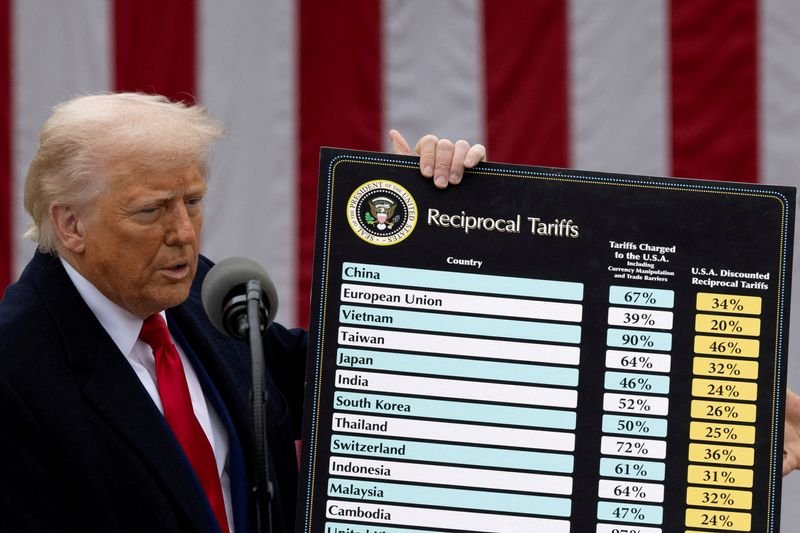
By Laura Matthews and Timothy Aeppel
NEW YORK, April 2 (Reuters) – Some tariff-whiplashed companies are exploring using refund claims as collateral for loans, in the latest example of creative financing arising from the complicated process of getting refunds from Donald Trump’s now-overturned “Liberation Day” tariffs.
The move is a sign that importers may be able to use their claims to meet short-term funding needs – long before they collect refunds on Trump’s tariffs, which were declared illegal by the U.S. Supreme Court in February.
Those tariffs sent shockwaves through the U.S. business world when Trump announced them on April 2 last year, forcing companies to reorganize global supply chains and battle with customers over who would shoulder the costs of the taxes, which were ultimately paid by more than 330,000 importers. Companies, many of whom sued the administration, are seeking some $166 billion back from the government.
Several financial-services firms stepped in to buy refund claims from importers worried about ever seeing refunds, despite the court’s decision. Now, some companies are looking to use their claims as collateral for loans, rather than selling them at a hefty discount to a buyer, said a lawyer and a broker advising clients in this space.
“There’s a lot of money looking to be deployed,” said Raniero D’Aversa, partner and chair of law firm Orrick’s restructuring team, who is advising buyers, sellers, investors and lenders in the transactions. “You’re paying interest, but you’re not giving away 50% of your claim. You still own the claim.”
D’Aversa said commercial banks, hedge funds, and private credit funds are actively looking to lend against these claims as collateral.
Importers could still be on the hook for the loan, however, if the government does not issue refunds.
APPEAL OF BORROWING
The loans are structured as term loans with payment-in-kind interest, meaning interest accrues and is repaid from the refund.
Borrowing appeals to some importers because they still own the claim, instead of selling it at a discount. Prices for the rights to potential government refunds have surged since the high court’s ruling, but are still going for less than the full value, analysts said.
Neil Seiden, managing director of Asset Enhancement Solutions, which arranges debt financing for companies, said the funds he works with require a minimum loan size of $10 million in order to lend against tariff refunds. They also must be backed by a tariff claim of at least $20 million.