dailynewsnblog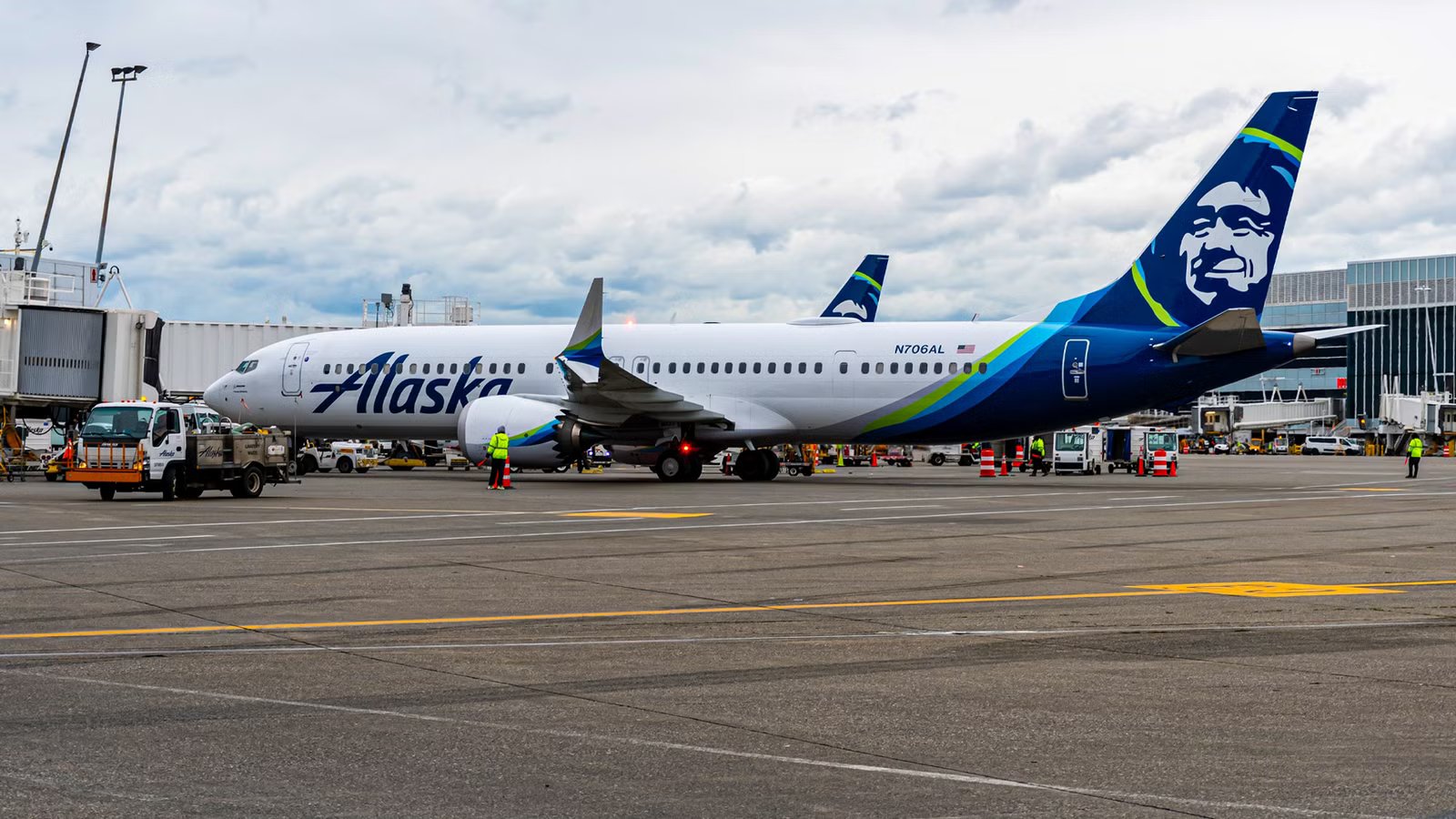
The Boeing 737 MAX has endured one of the most turbulent chapters in modern aviation history, yet it continues to play a central role in airline fleets around the world. Following its global grounding in 2019, many observers questioned whether the aircraft could ever fully recover. However, in the years since its return to service, the 737 MAX has steadily rebuilt trust among regulators, airlines, and passengers, reestablishing itself as a key player in the narrowbody market.
What is perhaps most remarkable is not just the aircraft’s return but the strength of its ongoing demand, with airlines continuing to place orders, expand their fleets, and rely on the Boeing 737 MAX as a core component of their operations. As  Boeing works to stabilize production and increase output, the aircraft’s popularity remains evident. To understand why, it is necessary to examine both the aircraft itself and the broader industry dynamics that have sustained its appeal. Let’s take a closer look…
All About The Boeing 737 MAX

The Boeing 737 MAX represents the latest evolution of the highly successful Boeing 737, a program that dates back to the late 1960s and has become the best-selling commercial aircraft in history. Rather than designing an entirely new aircraft, the US manufacturer chose to build on the existing 737 design, offering airlines an updated product that would retain operational familiarity while delivering improved performance. The program was officially launched in 2011 as a direct response to the success of the Airbus A320neo family.
The Boeing 737 MAX incorporates several key upgrades over previous generations, among the most significant of which are the CFM LEAP-1B engines, which provide a substantial improvement in fuel efficiency and lower emissions. The aircraft also features advanced winglets, refined aerodynamics, and updated flight deck displays. These changes allow the 737 MAX to deliver better performance while maintaining a high degree of commonality with earlier 737 variants.
The Boeing 737 MAX family includes four main variants – the 737 MAX 7, 737 MAX 8, 737 MAX 9, and 737 MAX 10. The 737 MAX 8 is the most popular version, offering a strong balance of range and capacity that suits a wide range of airline operations. The 737 MAX 9 and 737 MAX 10 provide additional seating capacity for high-demand routes, while the MAX 7 is optimized for shorter runways and lower-demand markets. This range of options enables airlines to tailor their fleets without introducing entirely new aircraft types, but only the 737 MAX 8 and 737 MAX 9 are currently in commercial service, with the other two variants still awaiting certification.
The Boeing 737 MAX entered commercial service in 2017 with Malindo Air, and since then, it has been adopted by carriers across the globe, including Southwest Airlines,  American Airlines, and
  United Airlines. Its widespread use highlights the enduring demand for efficient narrowbody aircraft and the continued relevance of the 737 platform in modern aviation.

What Are The Largest Boeing 737 MAX Fleets In The World?
US carriers make up a large share of the global 737 MAX fleet.
The Two Crashes That Grounded The Fleet

Despite its promising start, the Boeing 737 MAX program was overshadowed by two tragic accidents – Lion Air Flight 610 crash and Ethiopian Airlines Flight 302. These incidents resulted in the loss of 346 lives and led to the worldwide grounding of the entire 737 MAX fleet in March 2019, marking one of the most significant crises in the history of commercial aviation.
Investigations into the crashes identified issues related to the Maneuvering Characteristics Augmentation System (MCAS), a flight control software designed to improve handling characteristics. In both cases, erroneous data from a single angle-of-attack sensor triggered the system, causing repeated nose-down inputs, and the situation was compounded by a lack of clear information provided to pilots regarding the system’s operation and limited training on how to respond.
The grounding that followed lasted nearly two years in some regions, during which time Boeing worked extensively to address the underlying issues. Updates to the MCAS system included incorporating input from multiple sensors, limiting its activation, and enhancing overall system transparency. Regulators such as the US Federal Aviation Administration (FAA) and European Union Aviation Safety Agency (EASA) conducted rigorous reviews before approving the aircraft’s return to service beginning in late 2020.
While the crashes had a profound impact on Boeing’s reputation and the perception of the aircraft, the subsequent scrutiny also resulted in one of the most thoroughly examined recertification processes in aviation history. This level of oversight has contributed to restoring confidence in the aircraft’s safety.
Fleet Commonality Keeps Airlines Committed

A major reason for the continued popularity of the Boeing 737 MAX despite its previous setbacks is its strong commonality with earlier 737 models, and airlines that already operate the 737 Next Generation family can integrate the MAX with relatively minimal disruption, preserving many of the efficiencies they have built over years of operations. This continuity is a powerful incentive, particularly for carriers that rely on standardized fleets.
From a training perspective, pilots transitioning from older Boeing 737 variants to the 737 MAX benefit from a familiar cockpit layout and similar handling characteristics. Although additional training requirements were introduced after the aircraft’s return to service, the transition remains far less complex than moving to a completely different aircraft type. Cabin crews, maintenance crews, and engineers also benefit from continuity, as many systems and procedures remain consistent.
Operationally, this commonality allows airlines to maintain streamlined processes across scheduling, maintenance, and logistics. Spare parts inventories can be shared, and existing infrastructure can continue to be used. For airlines such as  Southwest Airlines, which operate large all-Boeing 737 fleets, these efficiencies translate directly into cost savings and operational simplicity.
In an industry where reducing complexity can significantly impact profitability, the ability to upgrade to a more efficient aircraft without overhauling an entire operation is a key advantage, and this factor alone has played a major role in sustaining demand for the Boeing 737 MAX.

The Complete Guide To The Boeing 737 MAX Family
Boeing has already built more than 1,700 aircraft from its next-generation narrowbody series.
Fuel Efficiency And Operating Economics

Fuel efficiency is another critical factor underpinning the popularity of the Boeing 737 MAX. Airlines operate in an environment where fuel costs represent a substantial portion of overall expenses, making any improvement in efficiency highly valuable. The 737 MAX delivers meaningful gains in this area, thanks largely to its advanced engine technology and aerodynamic enhancements.
The aircraft’s CFM LEAP-1B engines are central to these improvements, offering lower fuel burn and reduced emissions compared to previous-generation engines. Additionally, the aircraft’s advanced winglets and refined design contribute to better aerodynamic performance, further enhancing efficiency.
These improvements translate into lower operating costs on a per-seat basis, making the aircraft particularly attractive to both low-cost carriers and full-service airlines. Reduced fuel consumption not only improves profitability but also helps airlines meet increasingly stringent environmental targets. As sustainability becomes a more prominent consideration in aviation, aircraft like the Boeing 737 MAX that offer improved environmental performance are likely to remain in high demand.
The economic benefits extend beyond fuel savings. The aircraft also offers competitive maintenance costs and strong dispatch reliability, both of which contribute to overall operational efficiency. For airlines seeking to balance cost control with performance, the Boeing 737 MAX presents a compelling proposition.
Global Demand For Narrowbody Aircraft

The sustained popularity of the Boeing 737 MAX is also closely tied to broader trends in the aviation industry, particularly the strong demand for narrowbody aircraft. Short- and medium-haul routes account for the majority of global air travel, and aircraft in this category are essential for connecting cities, supporting high-frequency services, and enabling point-to-point travel.
As global passenger demand continues to grow, especially in emerging markets, airlines are increasingly focused on expanding their narrowbody fleets. The Boeing 737 MAX family offers the flexibility to serve a wide range of routes while maintaining cost efficiency, providing the range, capacity, and performance needed to meet diverse operational requirements.
At the same time, many airlines are in the process of replacing older aircraft with newer, more efficient models. This replacement cycle has created sustained demand for aircraft like the Boeing 737 MAX, which offer significant improvements over previous generations. By combining modern technology with proven design principles, the 737 MAX aligns well with the needs of airlines undergoing fleet renewal.
This structural demand is not tied to short-term market conditions but reflects long-term trends in global aviation. As a result, the 737 MAX continues to benefit from a steady stream of interest from airlines seeking to modernize and expand their operations.

How Boeing 737 MAX Fuselages Differ From Its Predecessors
There are several subtle differences in the fuselage of Boeing’s latest narrowbody aircraft.
Versatility Across Route Networks

Another important reason the Boeing 737 MAX remains popular is its versatility across different types of route networks. Airlines operate in a dynamic environment where demand can vary significantly between markets, and having an aircraft that can adapt to these variations is a significant advantage.
The Boeing 737 MAX family offers multiple variants, each designed to meet specific operational needs. The 737 MAX 8 provides a balance of range and capacity that makes it suitable for a wide variety of routes, while the 737 MAX 9 and 737 MAX 10 allow airlines to increase capacity on high-demand services. The 737 MAX on the other hand, is well-suited for shorter routes and airports with performance limitations.
This flexibility enables airlines to optimize their fleets without introducing unnecessary complexity. Instead of operating multiple aircraft types, carriers can rely on different variants of the same family to cover a wide range of missions. This not only simplifies operations but also enhances efficiency.
In addition, the aircraft’s range capabilities allow airlines to explore new route opportunities, including longer flights that may not have been economically viable with older aircraft. This opens up new possibilities for network expansion and revenue generation. By offering a combination of adaptability, efficiency, and commonality, the Boeing 737 MAX continues to meet the evolving needs of airlines worldwide.