dailynewsnblog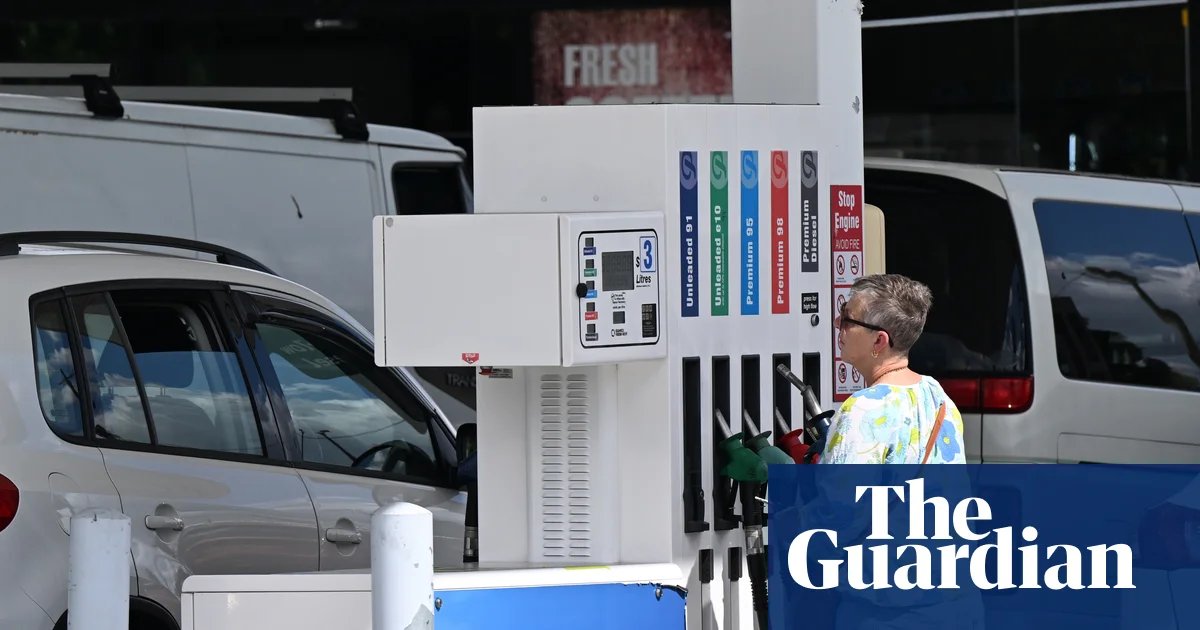
A deal with the states to return GST revenue on fuel sales will knock another 5.7 cents off the price of petrol for three months, bringing the total reduction to 32 cents a litre after this week’s halving of the fuel excise.
The government said the 26.3 cent reduction in the fuel tax and the GST deal would cut the cost of filling a 65-litre vehicle by nearly $23.
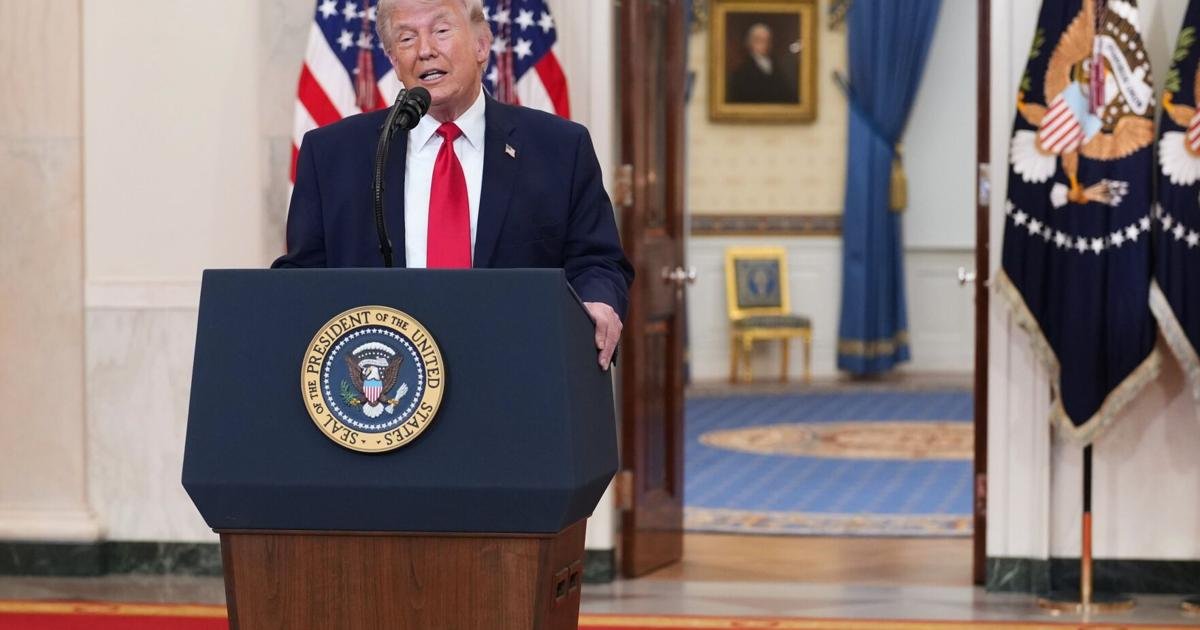
Speaking at the National Press Club, Anthony Albanese said the changes had already been made law.
“We want this added relief to start showing up at petrol stations straight away,” the prime minister said.
Petrol and diesel prices had already dropped by about 20 cents, as retailers passed on the excise cut in unexpectedly rapid fashion.
Every capital’s average prices were back below 240 cents a litre for unleaded and 310 cents for diesel, new data from NRMA showed.
Unleaded prices were averaging 236.6 cents a litre in Sydney, 237.7 in Melbourne, 236.4 cents in Brisbane, 232 cents in Hobart and 234.5 cents in Canberra.
State and territory leaders agreed to the GST deal at a meeting on Thursday.
A joint communique from premiers and chief ministers said that governments “should not benefit from the extra GST paid on higher fuel prices, but should instead ensure that this amount is passed back to the community in a way that supports them at a challenging time”.
Chris Minns, the NSW premier, said “we welcome the agreement to return the extra GST collected on higher fuel prices back to motorists”.
“It’s some relief to drivers and helps take the edge off higher fuel costs.”
Monday’s national cabinet meeting flagged a plan to return GST “windfall gains” to Australians, which was followed by days of wrangling between state and territory leaders over how to implement the measure.
Halving the fuel excise will cost $1.5bn, while returning GST on fuel to motorists is expected to cost a further $400m.
The Queensland treasurer, David Janetzki, said the state had “played our part” in striking a federal GST deal to further lower fuel prices.
Queensland had been the holdout state, having previously said it wanted to use additional GST windfall from higher fuel prices on direct cost-of-living relief for locals.
It signed on to the national fuel deal on Thursday.
“From the beginning it has been Queensland’s position to forego windfalls from higher fuel prices and how this can be calculated, collected and distributed has been facilitated after today’s meeting,” Janetzki said.
“Work will continue through the budget process to keep delivering targeted cost -of-living measures Queenslanders can rely on.”
Albanese used a rare national address to reassure Australians that the government was taking steps to alleviate the fuel crisis, caused by the US-Israel war on Iran.
The petrol price relief comes just before the long weekend, and Albanese delivered an “alert but not alarmed” message to drivers.
“If you’re hitting the road, don’t take more fuel than you need – just fill up like you normally would. Think of others in your community, in the bush and in critical industries.”
“And over coming weeks, if you can switch to catching the train or bus or tram to work, do so. That builds our reserves and it saves fuel for people who have no choice but to drive.”
Despite the welcome relief at the bowser, there remain real concerns that the Middle East conflict will last for months, rather than weeks, and that Australia at some stage may have to begin rationing fuel.
Martin Parkinson, a former Treasury secretary, this week warned that the “consequences” and the “forces that have been unleashed by this war are going to have long-lasting effects”.
Parkinson said even if the war ended tomorrow, the practical realities of restarting and repairing oil and gas infrastructure, and getting ships loaded and in and out of the Middle East, meant the resumption of pre-conflict levels of trade through the strait of Hormuz “is going to take a considerable amount of time”.