dailynewsnblog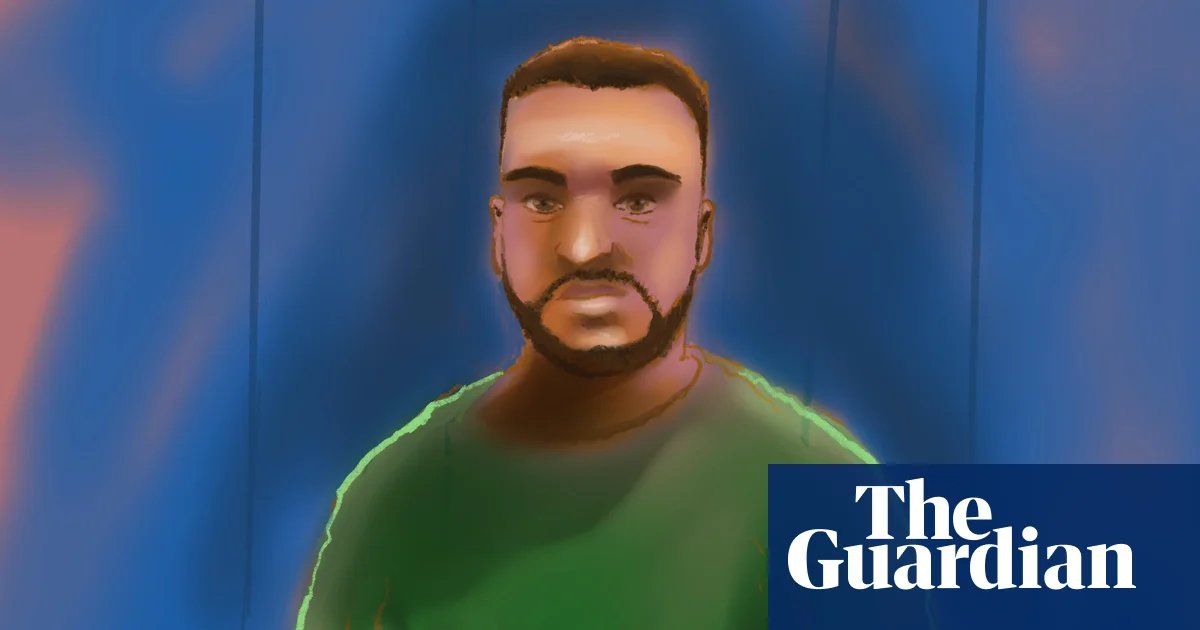
The alleged Bondi attacker has been denied a suppression order over his family member’s names and home and work addresses after a collective of media organisations won a challenge against the bid.
In the Downing Centre local court on Thursday, judge Hugh Donnelly decided to deny the request for a 40-year suppression order, ending an interim suppression order that was granted for Naveed Akram’s mother, brother and sister in early March which banned the publication of their names and addresses.
He said the order did not meet the exceptional circumstances threshold and would be ineffective for a number of reasons, including that it would not remove information that had already been widely circulated on social media in the immediate aftermath of the attack. The previously circulated information includes an image of Akram’s driver’s licence.
The brief of evidence for the case has yet to be served, but Donnelly noted it was not anticipated Akram’s brother or sister would be called as witnesses. That meant a fair and accurate report of any court proceedings would not name them because they have “little relevance to the case”.
“The current state of evidence is that his mother, sister and brother had nothing to do with what occurred,” he said.
Donnelly began his judgment by saying: “‘This case has unprecedented public interest, outrage, anger and grief.”
Akram, 24, appeared in court for the suppression order judgment via video link from Goulburn supermax, where he has been remanded in custody.
He and his father, 50-year-old Sajid Akram, allegedly killed 15 people after opening fire at a Hanukah festival at Bondi beach on 14 December.
Naveed Akram, who survived a shootout with police, has been charged with 59 offences, including 15 counts of murder and one count of committing a terrorist act that investigators allege may have been “inspired by Isis”. Sajid Akram was shot and killed by police at the scene.
Lawyers for Akram argued during a hearing on 17 March that the names of his family members should be suppressed due to fears “one or more of them may be killed” after they received death threats. His public defender, Richard Wilson SC told the court that a suppression order should be made for both their mental and physical safety.
Wilson said during the hearing there was no public interest in having their names and address published.
“There is no suggestion that the defendant’s mother, brother or sister had anything to do with it. There is no suggestion of suppressing the name of the defendant or suppressing any evidence in the case,” he said.
Matthew Lewis SC, who acted on behalf of news organisations including Nine, News Corp Australia, the ABC and Guardian Australia, argued there was no evidence there was an imminent risk, and fear did not make an order necessary.
He said the “cat is well and truly out of the bag” on the Akram family’s home address because a picture was leaked online showing Akram’s driver’s licence in the hours after the 14 December attack. Lewis noted news organisations had generally published the suburb and not the street name or house number.
The matter will return to court next Wednesday.