dailynewsnblog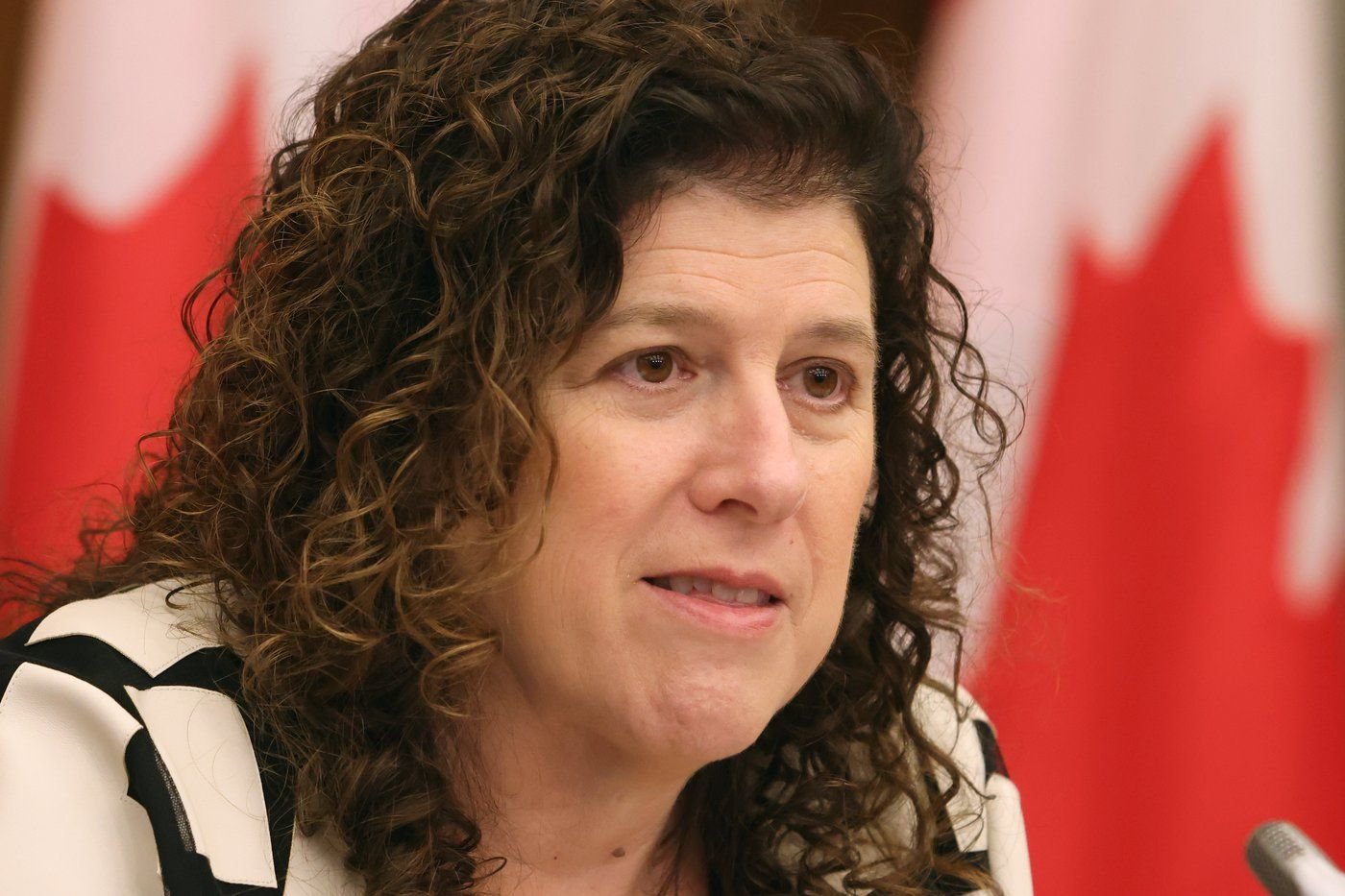
If we want the international student program to be a genuine asset for the One Canadian Economy at home and Canada’s growing middle power influence abroad— and especially for the students who trust us with their futures — we have to run it like we mean it.
I came to Canada at 15. The promise of a Canadian education — real, rigorous, respected — was the key reason my parents chose this country. That promise still draws hundreds of thousands of students here from every corner of the world. I don’t take it for granted, and neither should the federal government. But based on what Auditor General Karen Hogan tabled in the House of Commons last week, we have spent years treating that promise as a marketing pitch rather than a governing responsibility.
Let me be fair about what the report found went right. After study permit applications shot up 121 per cent between 2019 and 2023, Immigration, Refugees and Citizenship Canada (IRCC) pulled back — sharply. The government capped new permits, and volumes dropped. The department also rolled out a digital system to verify the authenticity of letters of acceptance from designated learning institutions, processing over 841,000 of them. That is a genuine upgrade to a process that had serious gaps.
Now for what the AG actually found troubling — and she found plenty. Between 2023 and 2024, over 153,000 students were flagged as potentially non-compliant with their study permits, meaning they may not have been attending the schools that accepted them. IRCC had funding to investigate exactly 2,000 of those cases per year. Of those it did pursue, more than 1,600 went nowhere because students just ghosted the department. Then there are the 800 permits issued between 2018 and 2023 to people who used fraudulent documents to get into the country. IRCC identified every one of them — and then did nothing. No file alerts, no follow-up. By the time auditors looked, 92 per cent of those individuals had already applied for other immigration permits, including permanent residency. And to top it off, IRCC has no system for tracking whether international students with expired visas have actually left Canada, which, in some instances, has the potential to become a law-and-order problem.
This matters beyond the immigration file. Canada’s ability to show up as a credible middle power — to attract talented people from around the world, to build the kinds of people-to-people ties that outlast election cycles — runs directly through how we manage this program. You cannot pitch yourself as a destination for the world’s best and brightest while running a program this porous. Trust, once lost, takes a long time to rebuild. And right now the countries we most want to partner with are watching closely.
Take India. The recent signing of 13 memoranda of understanding between Canadian and Indian post-secondary institutions as a direct result of diplomatic re-engagement between Ottawa and New Delhi is welcome. These agreements cover faculty exchanges, joint research, and pathways for internationally trained nurses to work in Nova Scotia. I have no objection to any of that. But signing an MOU is the easy part. Building a program worthy of a student who flies across the world, leaves their family, bets years of their life, and mortgages their family’s assets to pay for a Canadian credential — that’s harder.
The Business + Higher Education Roundtable’s recent report, Different by Design, puts the challenge plainly: Canadian post-secondary institutions have leaned on international student tuition to plug funding gaps rather than investing in differentiated programs, employer connections, and wraparound supports that make for a genuinely world-class experience. Too many undergrad seats have been sold as pathways to Canadian residency first and education second. That is not a partnership. That is a transaction. And students on the other end of that transaction and their governments eventually figure it out.
Other countries have already reckoned with this. Germany’s apprenticeship model ties international students to real employer relationships and structured credentials from day one. Australia, after its own enrollment implosion post-pandemic, forced institutions to demonstrate genuine student outcomes before keeping their designated status. Britain’s points-based system links institutional participation directly to graduate employment rates. None of these are perfect systems. But each one reflects a government that decided the program had to mean something beyond headcount.
The Auditor General’s recommendations are sensible — tighter collaboration with provinces on allocations, proper data-sharing with Canada Border Services, stronger risk reviews. IRCC has agreed to most of them. But implementation is where these commitments live or die, and our track record on follow-through in this file is not inspiring. When trust erodes in one high-profile area, it bleeds into every other conversation we’re trying to have about Canada’s role in the world.
If we want the international student program to be a genuine asset for the One Canadian Economy at home and Canada’s growing middle power influence abroad— and especially for the students who trust us with their futures — we have to run it like we mean it.
Kumaran Nadesan is the co-founder and group chief executive officer of 369 Global focused on skills training, media and talent mobility. His debut book, “The Impolite Canadian: Why Playing Nice Is Costing Us the Future,” is releasing on June 9, 2026.
The views, opinions and positions expressed by all iPolitics columnists and contributors are the author’s alone. They do not inherently or expressly reflect the views, opinions and/or positions of iPolitics.