dailynewsnblog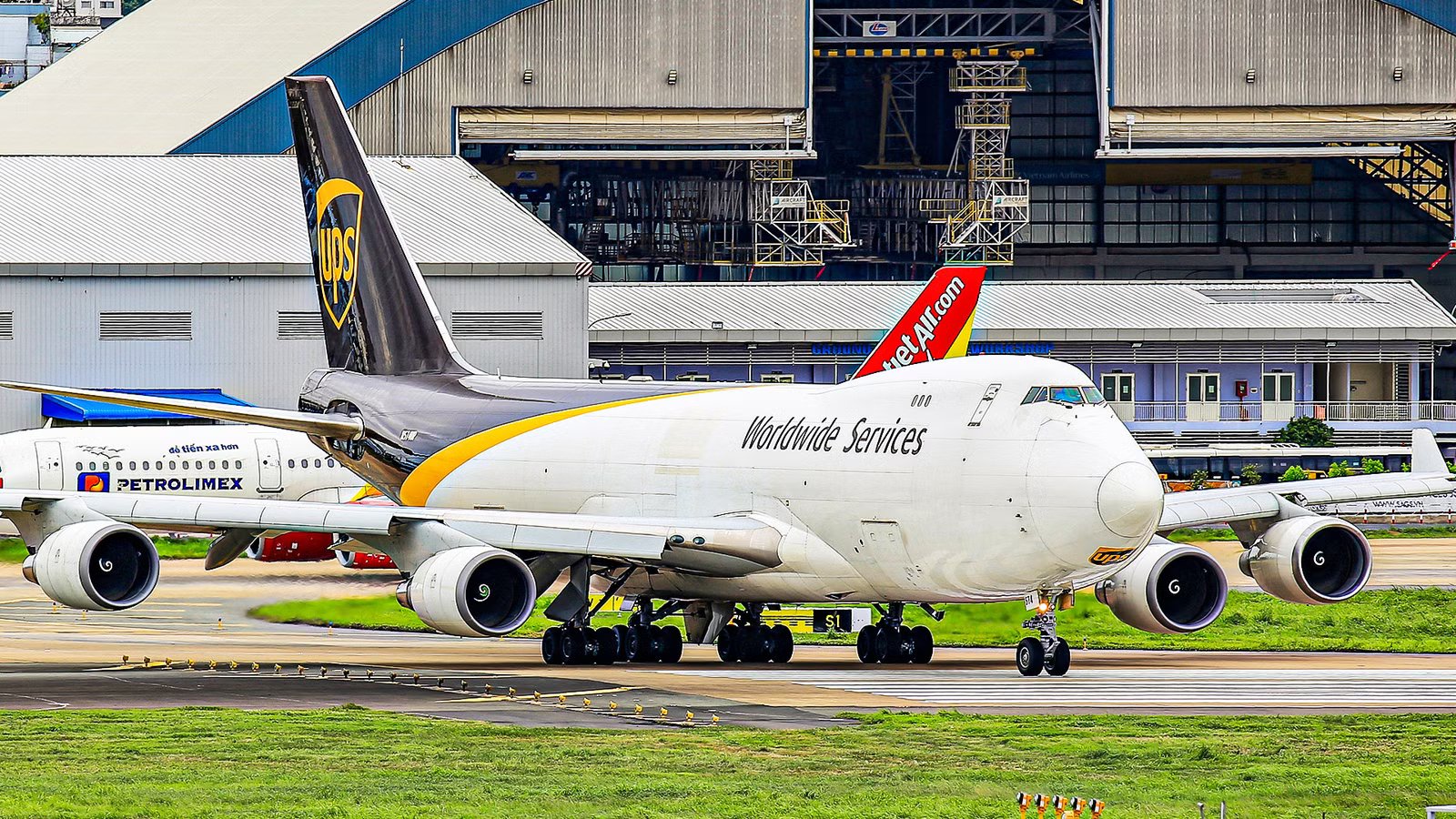
At first glance, it can seem odd that cargo airlines continue flying older aircraft while passenger carriers constantly modernize their fleets. In passenger aviation, airlines are under pressure to introduce quieter, more fuel efficient jets with updated cabins, better entertainment systems, and a stronger premium product. New aircraft help attract customers, support higher fares, and improve an airline’s brand image. That makes fleet renewal a visible and often essential part of competing in the passenger market.
Cargo airlines operate under a very different set of priorities. They are not selling seats, meals, or inflight entertainment. They are selling payload, reliability, and the ability to move freight where it needs to go at the right cost. For that reason, an aircraft that may no longer make sense for passenger service can still be highly valuable in cargo operations if it offers the right mix of range, volume, and operating economics. Age alone is not the deciding factor.
That is why aircraft such as the Boeing 747 remain relevant in freight flying even as they disappear from passenger fleets. Older jets can often be acquired more cheaply, converted from passenger use, and kept in service for years if they continue to move cargo profitably. In cargo aviation, the key question is not whether the airplane is modern, but whether it can still do the job better or more cheaply than the alternatives.
About The Cargo Airline Business Model

Cargo airlines operate under a very different business model from passenger carriers, and that difference helps explain many of their fleet decisions. Passenger airlines sell a travel experience as much as a seat, which means they care about cabin comfort, onboard product, fuel efficiency, and brand perception. Cargo operators, by contrast, are selling lift capacity, reliability, and network utility. Their customers do not care whether the aircraft has the newest cabin or the latest windows. What matters is whether the freight arrives on time, at the right cost, and in the right quantity.
That difference changes how airlines evaluate aircraft. A passenger carrier may retire an older jet because it is less fuel efficient, noisier, or no longer competitive from a customer experience perspective. A cargo airline can keep flying that same aircraft if the economics still work. Lower acquisition costs are especially important here. Many freighters begin life as passenger aircraft and are later converted, allowing cargo operators to acquire large-capacity jets for far less than the cost of a new-build aircraft. If the airplane can still carry profitable payloads and maintenance remains manageable, age alone is not a reason to retire it.
Cargo demand itself also tends to be less tied to daily schedule frequency and more tied to payload, volume, and operational flexibility. Freight carriers often fly at night, connect hubs in waves, and operate aircraft in ways that are very different from passenger airlines. That makes older, fully paid-for aircraft especially attractive. In cargo aviation, the key question is not whether the airplane is modern, but whether it can move freight profitably.
Why Passenger Airlines Want Newer Aircraft

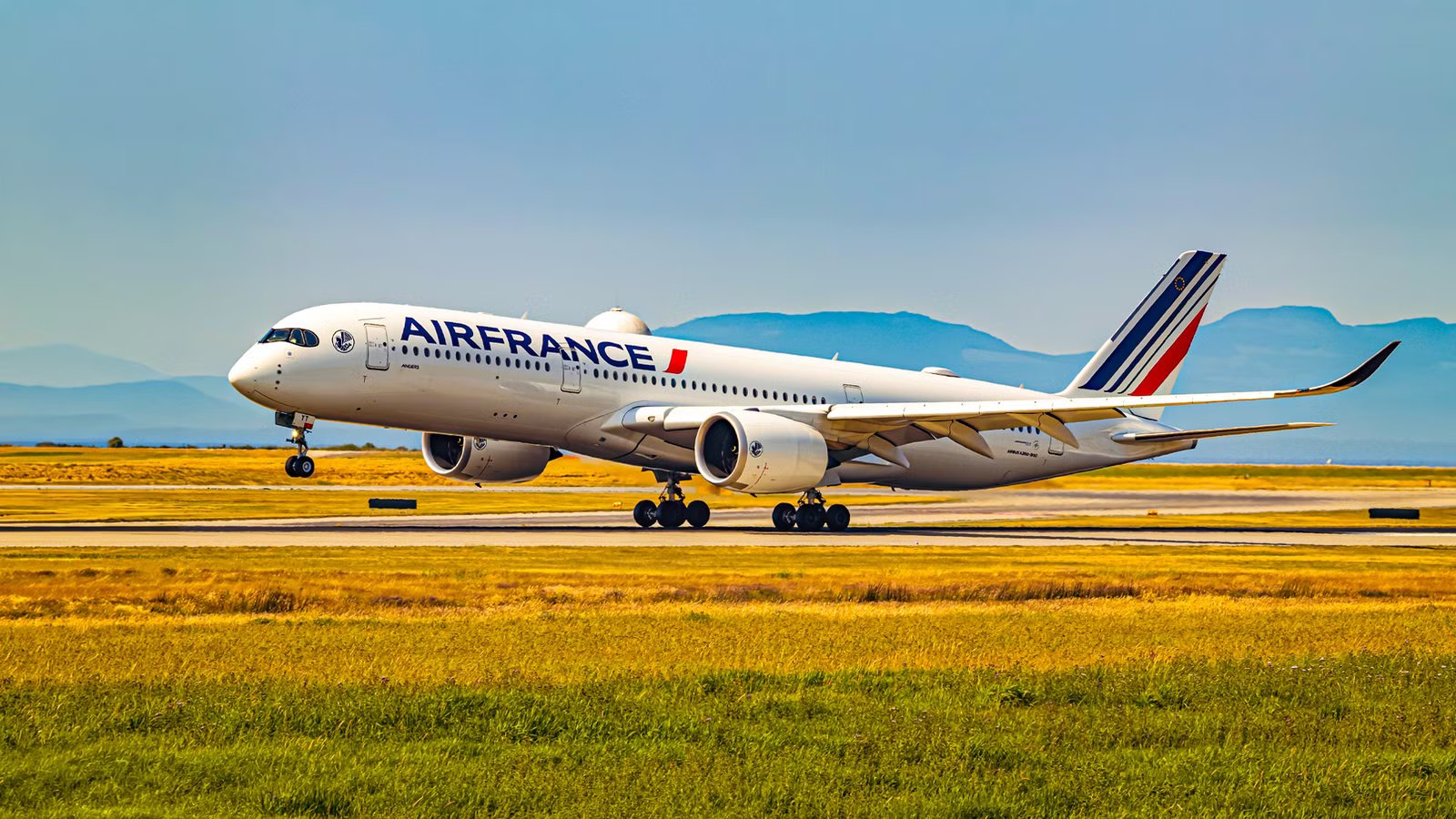
Passenger airlines have much stronger incentives than cargo carriers to keep their fleets modern. One of the biggest reasons is fuel efficiency. Newer aircraft such as the Boeing 787, Airbus A350, and Airbus A321neo burn significantly less fuel than older generations of jets, which matters enormously in an industry where fuel is one of the largest operating expenses. On long-haul routes especially, even modest efficiency gains can translate into millions of dollars in savings over the life of an aircraft.
Brand and customer experience also matter much more in passenger aviation. Travelers notice newer cabins, better inflight entertainment, larger bins, quieter cabins, and more comfortable seating. Airlines selling premium cabins are especially sensitive to this, since modern aircraft help support higher fares in business and first class. An older aircraft may still be technically capable of flying the route, but if it carries an outdated cabin or a less competitive onboard experience, it can weaken the airline’s ability to attract high-yield customers.
There are also regulatory and operational pressures. Newer aircraft are generally quieter, produce lower emissions, and can be easier to maintain within modern airline networks. Passenger carriers also have to think about frequency, reliability, and fleet simplification in a highly competitive market where delays and cancellations directly affect customer satisfaction and brand reputation. For those reasons, airlines carrying passengers are often much quicker to retire older jets than cargo operators, even when the aircraft itself still has usable life left in it.

What It Takes To Get A Big Jet Airborne: From Check-In To Gear-Up
Captain Chris reveals the secrets behind the perfect departure.
Why Cargo Airlines Keep Older Jets Much Longer

Cargo airlines keep older aircraft in service longer because the economics of freight flying are very different from passenger operations. In passenger aviation, an older aircraft can quickly become a disadvantage if it burns more fuel, has an outdated cabin, or weakens the airline’s brand. In cargo flying, none of that matters. Freight customers do not care whether an aircraft is 5 years old or 35 years old. They care whether the shipment arrives on time, whether the airline can move the required volume, and whether the rate is competitive.
That makes acquisition cost a major factor. A new freighter is extremely expensive, while an older aircraft that has already spent years in passenger service can often be acquired or converted at a far lower cost. If that aircraft can still carry a profitable payload and remain reliable enough to support the network, it can continue generating solid returns for years. In many cases, an older jet with higher fuel burn still makes financial sense because the capital cost is so much lower than buying a new aircraft.
Cargo airlines also tend to operate aircraft in ways that make age less of a commercial problem. Many freighters fly at night, serve fewer airports, and are built around hub-based sorting operations rather than the high-frequency schedules of passenger airlines. That means operators can continue using older types as long as they fit the mission and maintenance remains manageable. In cargo aviation, an airplane does not need to feel modern. It just needs to lift freight efficiently enough to make money.
Why The Boeing 747 Still Matters In Cargo

Even in a market increasingly dominated by newer twin-engine freighters, the  Boeing 747 continues to hold an important place in cargo aviation because it offers a combination of payload, volume, and loading flexibility that few aircraft can match. The 747 was designed from the beginning as a very large aircraft, and in freighter form it can carry enormous amounts of cargo across long distances. For operators moving dense freight, oversized shipments, or large volumes between major hubs, that capability still makes the aircraft highly valuable.
One of the 747 freighter’s biggest advantages is its nose-loading capability. Unlike most twin-engine freighters, the 747 can open at the front, allowing very long or awkwardly shaped cargo to be loaded straight into the aircraft. That makes it especially useful for outsized freight such as industrial equipment, aerospace components, and machinery that may not fit easily through a side cargo door. For certain types of cargo, this feature alone makes the 747 difficult to replace.
The aircraft also remains well suited to major intercontinental cargo routes where operators want maximum volume on a single flight. While newer twins like the Boeing 777F are more fuel efficient, the 747 still offers unique operational strengths that keep it relevant, particularly for carriers built around hub-and-spoke freight networks and specialized cargo missions. In other words, the 747 survives in cargo not because it is the newest option, but because for some jobs it is still one of the best tools available.

Meet The New King Of Cargo: Atlas Air Orders 20 Airbus A350Fs
The airline is making a major fleet investment.
Freighter Conversions Keep Older Aircraft Alive

One of the biggest reasons older aircraft remain common in cargo aviation is the freighter conversion market. Many cargo operators do not buy brand-new freighters at all. Instead, they acquire passenger aircraft that have reached the end of their commercial life with airlines and convert them into dedicated cargo jets. This allows freighter airlines to obtain large-capacity aircraft at a fraction of the cost of a new-build freighter, extending the useful life of airframes that might otherwise be retired.
This model has been especially important for aircraft such as the Boeing 767, Boeing 737, Airbus A321, and older widebodies that can be adapted into efficient freighters for express networks and regional cargo routes. Once the seats, windows, and passenger interiors are removed, the aircraft can be reconfigured with a reinforced floor, a large cargo door, and systems better suited to freight operations. The result is an aircraft that may be decades old structurally, but still economically valuable in a cargo role.
Freighter conversions also help explain why cargo fleets often look older than passenger fleets. Passenger airlines are constantly refreshing their cabins and retiring aircraft for brand, fuel, and customer experience reasons, which creates a steady supply of used jets for the cargo market. For cargo carriers, that availability is a major advantage. Instead of needing the newest airplane, they can take proven older aircraft and put them to work in a business model where payload and cost matter more than age or appearance.