dailynewsnblog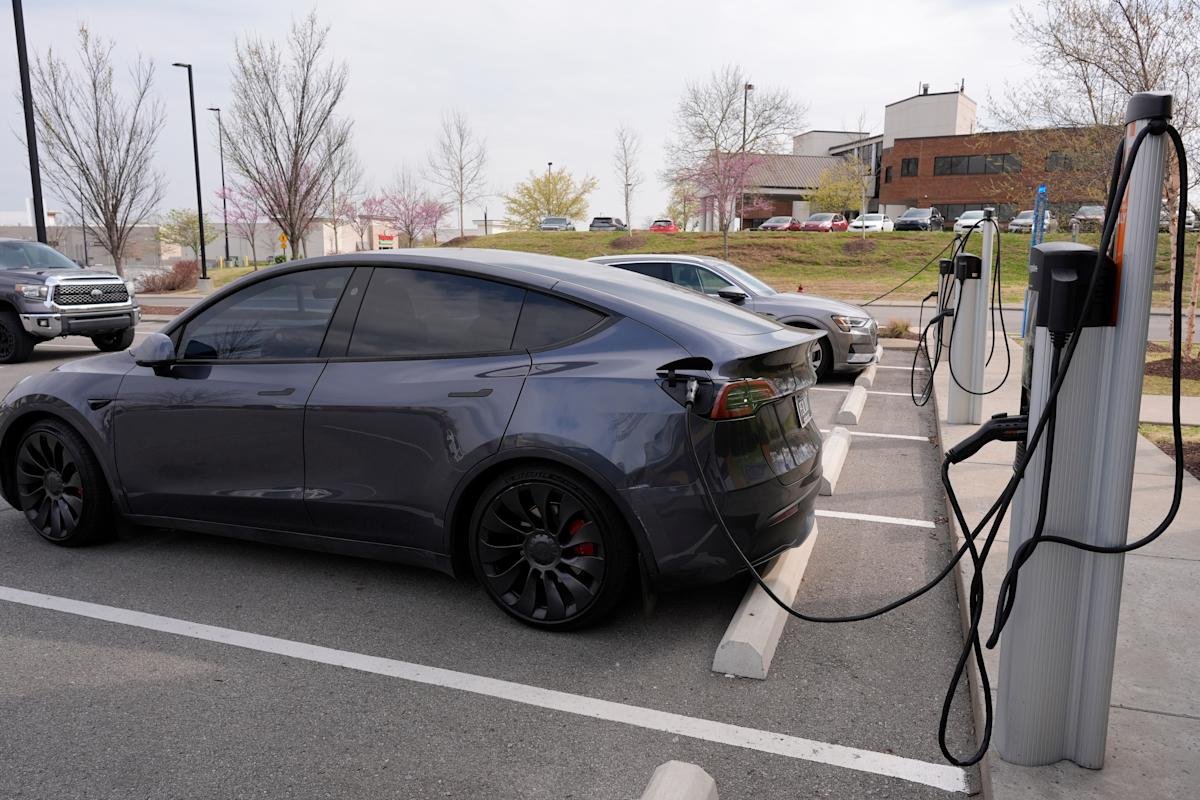
In a letter shared with Senator Ed Markey (D-Mass.), Tesla admitted that its robotaxis are sometimes driven remotely by human operators, Wired reports. Competing self-driving car companies sometimes rely on human operators to tell robotaxi software how to get itself unstuck, but letting operators actually drive those cars remotely is more unusual.
“As a redundancy measure in rare cases … [remote assistance operators] are authorized to temporarily assume direct vehicle control as the final escalation maneuver after all other available intervention actions have been exhausted,” Karen Steakley, Tesla’s director of public policy and business development, shared in a letter to Markey. In those situations, operators are reportedly able to take over Tesla’s robotaxis when they’re moving at speeds around 2mph or less, and then drive the car at up to 10mph if software permits it.
Engadget has contacted Tesla to confirm the details shared in Steakley’s letter. We’ll update the article if we hear back.
As Wired notes, that’s a bit different than how other self-driving car companies handle human intervention. For example, Waymo’s Driver software can call on human help — Waymo calls them “fleet response” — to offer context and answer questions to help it navigate complicated driving situations. The company claims these workers never drive the robotaxi themselves, but they are able to see the car’s environment through its sensors to help it get unstuck. Self-driving car companies typically avoid remote operation, Wired writes, because technical limitations like latency and the limited perspective of a robotaxi’s sensors can make it hard to drive them easily and safely.
Tesla’s approach to self-driving has always cut against the grain, though. Whereas competitors continue to rely on a mix of radar and other sensors to navigate, Tesla has exclusively focused on using cameras for its Full Self Driving (FSD) system. The company has also had to deal with a number of high-profile crashes related to FSD, which prompted a probe by the US National Highway Traffic Safety Administration in October 2025.
The company launched its robotaxi service in Austin, Texas in June 2025, in a limited capacity and with human safety drivers sitting in the driver’s seat in case of emergency. Tesla is also reportedly testing rides without safety drivers in the same area, which might be why it has contingencies for remote operators to step in.