dailynewsnblog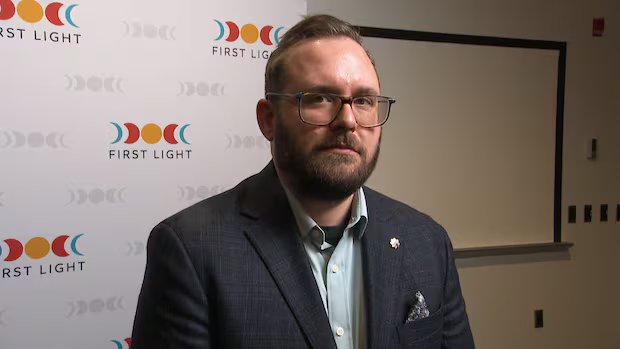

Listen to this article
Estimated 4 minutes
The audio version of this article is generated by AI-based technology. Mispronunciations can occur. We are working with our partners to continually review and improve the results.
A new study carried out by First Light indicates Indigenous people in Newfoundland and Labrador are incarcerated at a rate eight times higher than their non-Indigenous counterparts.
The St. John’s-based non-profit conducted a survey in November 2025 that informed the findings laid out in the report Overrepresented and Undercounted, published on Monday.
Interviewers met with 305 inmates at all five of the province’s adult correctional institutions — which First Light said constituted about 72 per cent of the total inmate population at the time.
Forty-three per cent of the 303 people who completed the questionnaire were considered Indigenous by First Light, whether they self-identified that way or said they had a close relative who was.
The final report used census values to estimate the rate of incarceration to be about 50 per 10,000 Indigenous people, and six per 10,000 non-Indigenous people.
“There’s intergenerational trauma. There’s a large and ongoing active history of colonialism in this province. There is a lack of social supports,” First Light director of advocacy Justin Campbell told reporters Friday.
“It’s sad to say that we were not surprised at the level of over-incarceration, considering what we see across the rest of the country. That doesn’t make it any less disturbing or any less urgent to take action on it.”
Higher rate than previously thought
First Light’s report says this recent study was carried out in part to take a snapshot of the Indigenous population in custody. The most recently available data of this kind, according to the non-profit, was collected in 1996.
The 30-year-old demographic research found that 12 per cent of incarcerated people at that time were indigenous.

First Light says its research shows Indigenous people are far more likely to be incarcerated in N.L. The group is also calling on the province to support culturally relevant programming in correctional facilities.
“How are we supposed to lobby the government to increase funding for Indigenous programming when, rightly so according to them, the statistics say that there is no problem?” said community empowerment liaison Mark Humber.
But the new statistics paint a different picture.
Indigenous people make up 9.3 per cent of N.L.’s population, according to the 2021 census. First Light says to see so many of them incarcerated compared to others is staggering.
Cultural programming
With so many Indigenous people in custody, the report makes a case for culturally specific programming.
Only the Labrador Correctional Centre held routine cultural programming at the time of First Light’s November survey. About 96 per cent of the respondents said they’d participate if programming was available to them.
Justice cultural support worker Leah Noseworthy is part of a team that once provided Indigenous inmates with access to drumming, circles and other activities at Her Majesty’s Penitentiary in St. John’s. First Light pulled out of that program last year due to a lack of funding.
“Our programs offer a place where they can come and can be emotionally grounded, they can reconnect with themselves, rebuild their self worth,” said Noseworthy.
Researcher and policy lead Teri Slade agreed that specific programming in prisons can go a long way.
“If you provide people who are Indigenous a way to connect with their culture while they are incarcerated, that reduces the risk that they will reoffend when they are discharged,” Slade told reporters.
“Cultural programming is a big part of connecting people with their communities.”
Recommendations to government
First Light has a list of “policy imperatives” for the N.L. government, with support for cultural programming at the province’s five correctional institutions at the top.
Campbell said the organization has proposed this to the Department of Justice and Public Safety, adding that it’d cost about $500,000 a year to cover the facilities in St. John ’s, Clarenville and the youth centre in Whitbourne.
First Light is also calling for targeted anti-racism training for staff at those facilities, as well as Indigenous liaison officers, among several other recommendations.
The province’s reaction to the findings has left Campbell optimistic.
“The minister has reassured us that she takes this seriously. It’s an undeniable problem. It’s quantified in the report with very rigorous methodology,” said Campbell.
Download our free CBC News app to sign up for push alerts for CBC Newfoundland and Labrador. Sign up for our daily headlines newsletter here. Click here to visit our landing page.