dailynewsnblog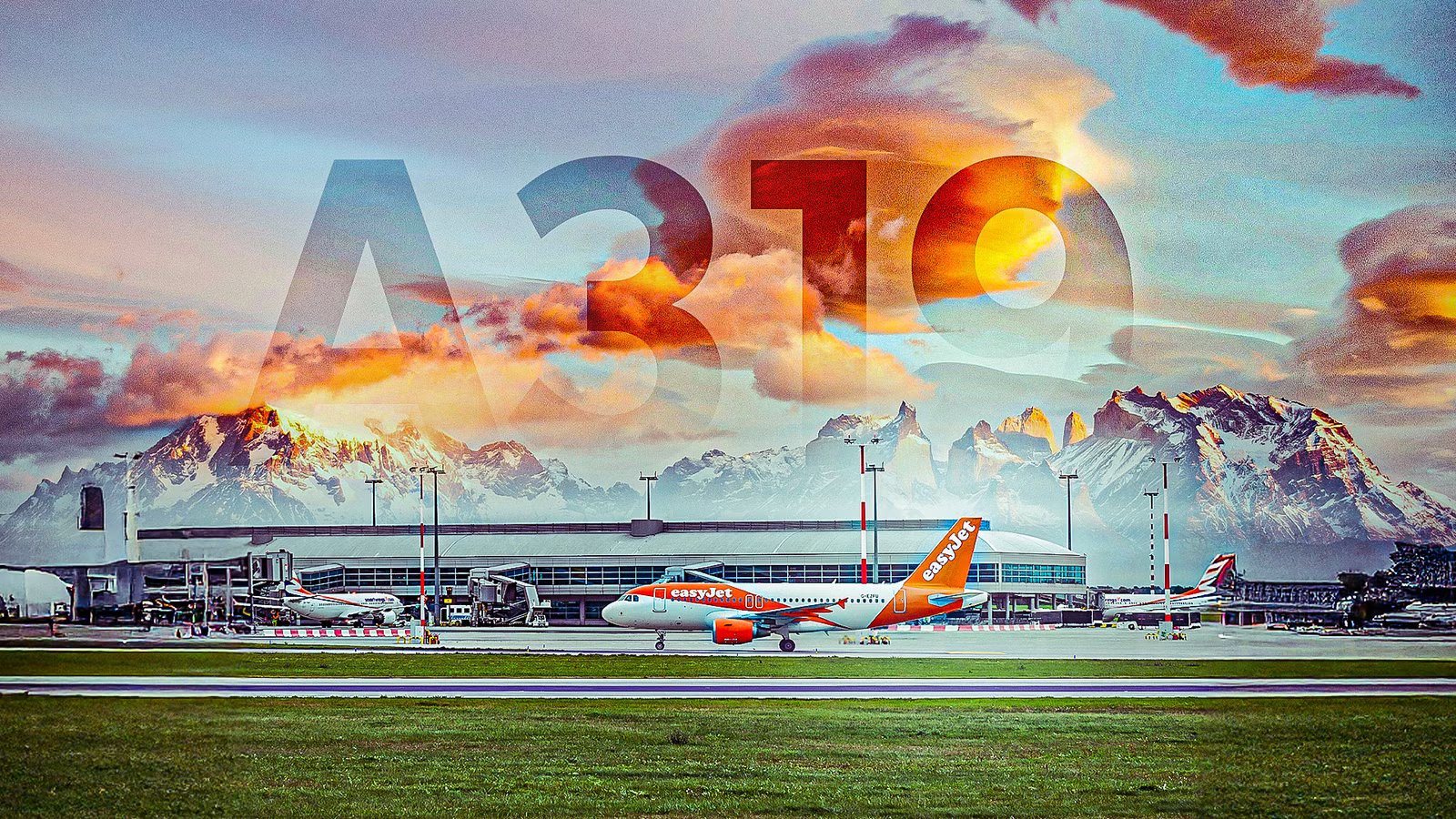
An easyJet flight attendant was injured after a bout of sudden turbulence struck shortly after takeoff from Glasgow Airport (GLA) on Sunday. Flight EZY439 — operated by one of the airline’s Airbus A319 aircraft — was en route to Jersey when pilots turned the plane around and made an emergency landing back in Glasgow.
At this stage, it is not clear how the cabin crew member sustained their injuries, or whether they were properly secured in a seat at the time. The low-cost carrier has confirmed to Simple Flying that a crew member onboard required “medical assistance,” forcing the flight into an emergency landing, but did not elaborate on the degree of injury sustained.
Turbulence During Takeoff Injures easyJet Cabin Crew

As reported by The Independent, the emergency occurred onboard an easyJet Airbus A319-100 shortly after takeoff in Glasgow on Sunday. The aircraft was operating Flight EZY439 to Jersey Airport (JER) and departed at 12:07 pm local time. Moments after taking off, the aircraft encountered strong turbulence, causing injury to an easyJet flight attendant. The pilots then squawked 7700 to indicate an emergency onboard and diverted the aircraft back to Glasgow Airport.
An easyJet spokesperson told Simple Flying that, during “extraordinary circumstances,” the cabin crew member was injured “following some turbulence shortly after take off,” and confirmed that all passengers were seated with their seatbelts on. Data from Flightradar24 shows that the aircraft declared an emergency 12 minutes after takeoff and landed back in Glasgow at 12:37 pm, for a total flight time of 30 minutes. The A319 landed safely and there were no reported injuries to any other crew members or passengers. An easyJet spokesperson said,
“Flight EZY439 from Glasgow to Jersey on 29 March returned to Glasgow due to a cabin crew member requiring medical assistance. The flight landed normally in Glasgow and was met by medical services on the ground.”
Passengers Rebooked Later That Day

The airline added that passengers on the affected flight were flown out on another flight later in the afternoon, stating that the “safety and well-being of customers and crew is always easyJet’s highest priority.” This replacement flight arrived in Jersey just after 06:30 PM local time, representing a delay for passengers of around five hours.
easyJet’s A319s can seat up to 156 passengers in an all-economy configuration. Its A319 fleet contains many of the airline’s oldest airframes, some of which are approaching 20 years old. The A319 operating yesterday’s service was G-EZBI, which was delivered to easyJet in February 2007.

I’m A Flight Attendant & This Is Why You Should Trust Us During Turbulence
Always keep your seatbelt fastened when seated.
Turbulence Injury Concerns

An aircraft encountering turbulence during critical phases of flight can be a dangerous scenario for pilots and flight attendants to navigate through. While cabin crew are legally required to be strapped into their jumpseats during taxiing and takeoff, they don’t remain seated for long once the plane is airborne. The pilot will typically indicate to cabin crew that they can leave their seats to perform service duties once the aircraft has reached between 1,500 and 5,000 feet.
easyJet has not disclosed exactly how the flight attendant was injured, but they may have already unstrapped themselves to begin service duties when the turbulence occurred. On a short-haul flight like Glasgow to Jersey, the available service window is narrower than on longer flights, so cabin crews typically begin service as soon as they can.
With modern tracking and detection systems, pilots usually have a good idea of possible turbulent areas ahead. However, clear air turbulence (CAT) events are much more difficult to avoid, often giving the flight crew zero warning before occurring. Data shows that flight attendants are at heightened risk of injury during turbulence events. According to an NTSB study, over 78% of serious injuries due to turbulence were suffered by flight attendants during events between 2008 and 2018, while not a single pilot experience a serious injury during the same period.