dailynewsnblog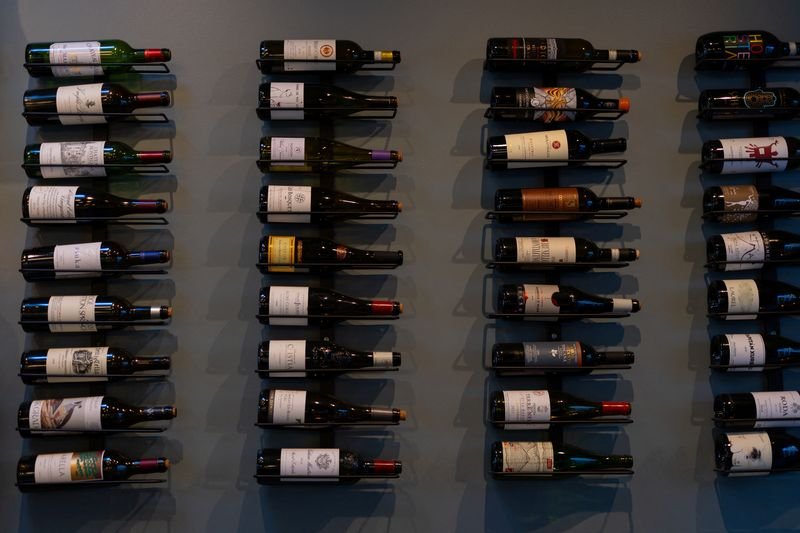
By Emma Rumney and Waylon Cunningham
LONDON/NEW YORK, March 30 (Reuters) – Certain champagne and cremant brands that were once wine menu staples are on the chopping block at restaurants and bars owned by New York-based Kent Hospitality Group, says wine director Kristen Goceljak. Tariffs have made them too expensive.
U.S. firms like hers are moving to rewrite menus or restock retail shelves with cheaper options as a result of tariffs imposed on imports from alcohol-producing regions like Europe since last year, five U.S. restaurants, retailers or wine and spirits wholesalers interviewed by Reuters said.
The tariff rate for many European goods was set at 15% last August under a U.S.-EU trade deal. Then, in February, a suite of U.S. President Donald Trump’s tariffs, including on Europe, was overturned by the U.S. Supreme Court. These were quickly replaced with new levies that meant many European imports would incur at least a 10% surcharge.
Goceljak, responsible for buying wines to serve across Kent Hospitality Group’s fine dining restaurants, bars and members’ clubs, balked in February when she saw that one champagne she purchased to serve at private events and which had been priced at $48 per bottle had risen by around $5 a bottle at her wholesaler.
A cremant brand from the same wholesaler had risen by around $3 per bottle, she said, adding that a growing number of other suppliers had notified her of price increases of as much as 20% this year.
Goceljak said she planned to switch out brands of cremant or champagne, which can only be made in France, as well as other long-standing labels, to cheaper alternatives.
“It’s just too expensive,” she said.
PRICE HIKES HIT WINE FIRST
U.S. President Donald Trump’s sweeping tariff regime laid out in April 2025 had an immediate impact on vast alcohol shipments to the United States. European exports of alcohol like wines, spirits and aperitifs to the U.S. alone were worth some 9 billion euros ($10.4 billion) in 2024, according to Eurostat data.
But many producers staved off price increases when U.S. alcohol sales are already suffering from affordability issues, the rise of alternatives like cannabis drinks and shifting drinking habits.
They shipped stock in bulk ahead of time to beat the levies, or took the hit themselves to keep prices steady, especially during the all-important holiday season from October-December when alcohol enjoys stronger sales. But these strategies are starting to run their course.
“The pressure to pass through costs is mounting,” said Lance Emerson, SVP of Commercial Finance at Republic National Distributing Company, one of the top U.S. wholesalers, adding the shift was more pronounced in wine, whereas spirits makers have greater ability to absorb tariffs in their margins.