dailynewsnblog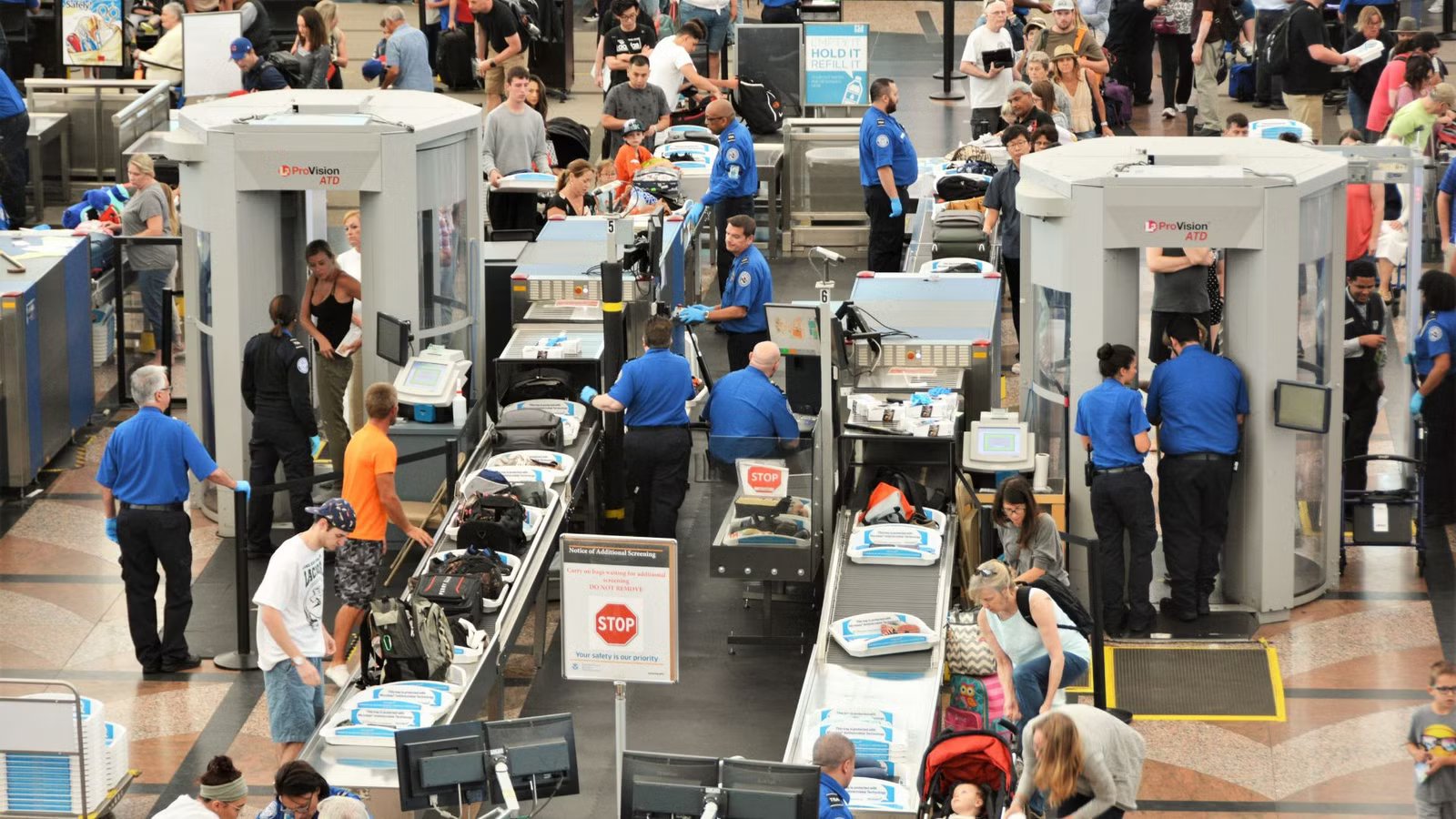
The Transportation Security Administration (TSA) is facing growing pressure as long security lines continue to disrupt passengers at airports across the United States, reports the New York Times. The issue has surfaced at several major hubs in recent weeks, especially during peak travel periods in early 2026. Compounding the problem, roughly 500 screening officers have recently left the agency, further straining already tight staffing levels. Travelers, airport officials, and airlines have all raised concerns as wait times continue to increase.
Air travel demand has rebounded strongly, with passenger volumes in 2025 and early 2026 nearing or surpassing pre-pandemic levels. At the same time, the TSA has struggled to replace departing staff and hire fast enough to keep up with demand, creating a clear imbalance at security checkpoints. Budget constraints and the time required to fully train new officers have slowed the agency’s response. This article examines the causes behind the delays and what they mean for passengers and the wider aviation system.
Departure Of 500 Screening Officers Fuels Security Line Delays

The recent departure of roughly 500 screening officers has emerged as a key factor behind growing delays at United States airport security checkpoints. The Transportation Security Administration is now operating with reduced staffing at a time when passenger volumes remain high, putting immediate pressure on screening operations. As a result, wait times at some airports have extended beyond an hour, particularly during peak travel periods such as early mornings and weekends. High-traffic hubs have been hit hardest, where staffing gaps are more difficult to absorb.
In response to the shortfall, the TSA has relied on overtime, staff reallocation, and expedited screening programs like TSA PreCheck to maintain throughput. However, replacing hundreds of trained officers is not a quick process, and the agency continues to face challenges in restoring full staffing levels. The loss of experienced personnel has also affected efficiency, as newer recruits require time to reach full productivity. This staffing imbalance remains a primary driver of ongoing congestion at security checkpoints nationwide. Lauren Bis, a spokesperson for the US Department of Homeland Security, said:
“This reckless shutdown has driven nearly 500 TSA officers to quit, while thousands more are forced to call out because they can’t afford gas, childcare, food, or rent.”
Rising Passenger Demand Exposes System Bottlenecks

The TSA’s staffing challenges are part of a broader labor issue affecting the aviation sector, including airlines, ground handlers, and air traffic control. Hiring for security roles can be particularly difficult due to the job’s demanding nature, irregular hours, and comparatively lower pay versus private-sector alternatives. Additionally, new TSA officers must undergo background checks and several weeks of training before becoming fully operational, slowing the onboarding process.
From an operational standpoint, delays at security checkpoints can disrupt the entire passenger flow within an airport. Longer queues can lead to overcrowded terminals, delayed boarding, and increased stress for both travelers and staff. Airlines may be forced to hold flights for late passengers or rebook those who miss departures, adding further strain to schedules. These disruptions highlight how a single bottleneck can affect the efficiency of the entire travel system.
Technological upgrades, including automated screening lanes and identity verification systems, are being introduced at select airports to improve throughput. While these systems can increase efficiency, their rollout is uneven and dependent on funding and infrastructure upgrades. As a result, many airports still rely heavily on manual screening processes, limiting the speed at which improvements can be realized in the short term.

“The Country Is At Stake”: TSA Absences Are So Bad That Some Airports Could Just Shut Down
Even at larger hubs, absences are are high as 38%.
Efforts Underway To Reduce Delays And Improve Screening Efficiency

The ongoing delays have prompted renewed discussion among policymakers about funding and structural changes for US aviation security. Some have suggested increasing TSA funding to support hiring, retention bonuses, and modernization efforts. Others have proposed expanding the role of private contractors in certain screening functions, though this remains a debated topic.
Historically, similar wait time issues have occurred during periods of rapid travel growth, such as the mid-2010s and the immediate post-pandemic recovery phase. In those cases, temporary fixes like surge staffing and public advisories helped ease congestion but did not fully resolve underlying workforce challenges. With travel demand expected to remain strong in the coming years, long-term planning is becoming increasingly critical.
Overall, the current situation reflects a combination of high passenger demand, workforce constraints, and evolving security requirements. While incremental improvements are being made, meaningful reductions in wait times will likely depend on sustained investment and more efficient staffing strategies across the TSA network.