dailynewsnblog
Gulf countries have raised concerns over the prospect of attacks by Iran-backed militias and proxy armed groups in the region, which they fear could destabilise their regimes and escalate the war in the Middle East.
In a joint statement this week, Qatar, Kuwait, the United Arab Emirates, Bahrain, Saudi Arabia and Jordan condemned Iranian attacks on their soil, both as strikes carried out directly from Iran and “through their proxies and armed factions they support in the region”.
On Wednesday, Kuwait said it had foiled a plot to kill state leaders, and arrested six suspects believed to be associated with Iran’s most powerful proxy group, Hezbollah.
For decades, Iran has used proxy militias as a pillar of its foreign and security policy, as a means to export its revolution, expand its regional influence and destabilise enemy countries. The most prominent examples are Hezbollah in Lebanon and the Houthis in Yemen but other brutal and influential Iran-backed militias also operate in Iraq and Syria.
While relations between Iran and countries such as the UAE, Saudi Arabia and Qatar went through a period of growing cooperation and rapprochement in recent years, these proxy groups largely remained quiet in the Gulf, keeping out of the internal turmoil seen in neighbouring Iraq.
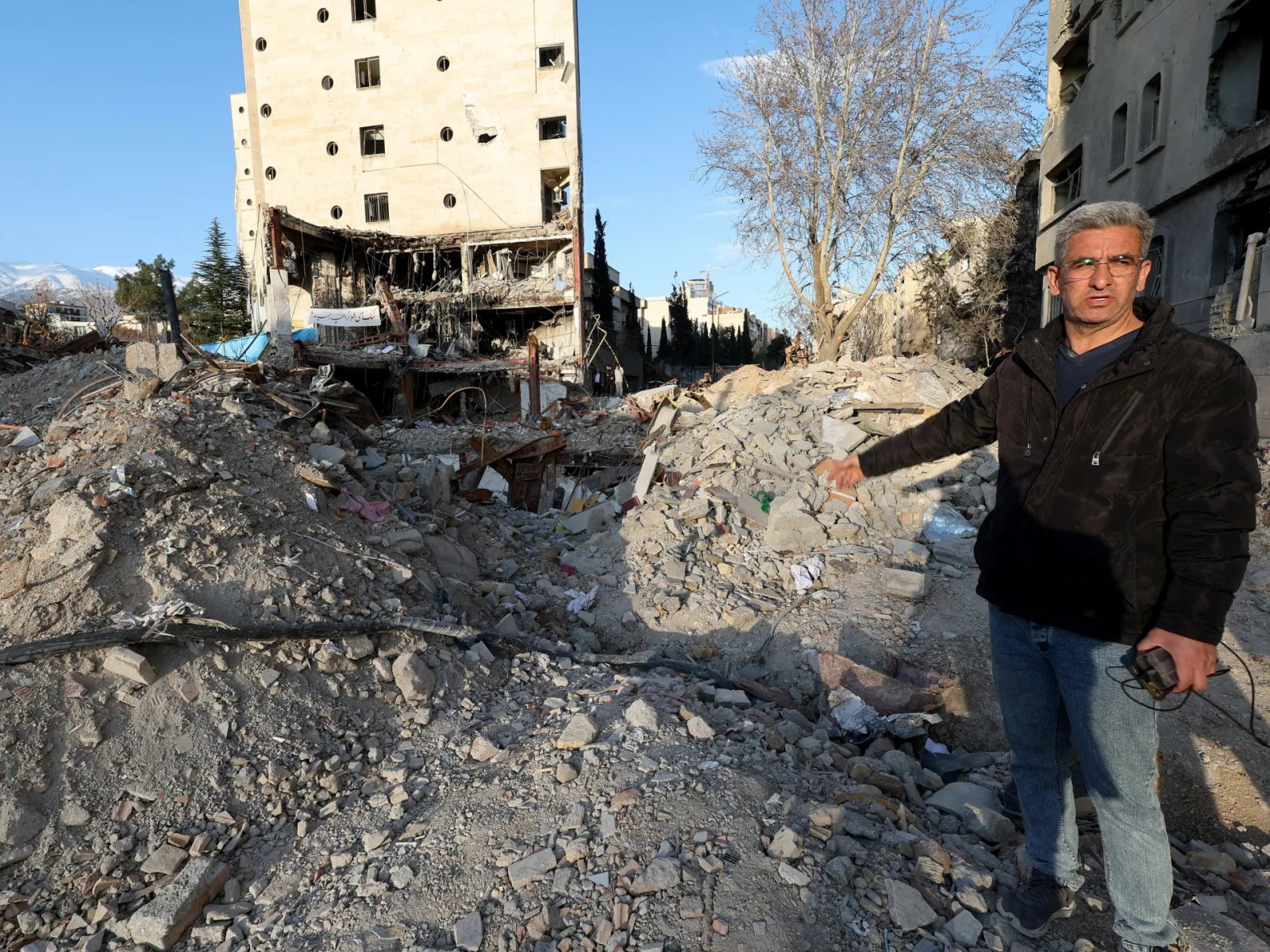
However, since the US and Israel began bombing Iran at the end of February, the brunt of Iran’s retaliation has been towards the Gulf states, which have close ties to Washington and host several American military bases.
As well as an onslaught of thousands of missiles and drones fired from Iran, there have also been a growing number of internal incidents in the region linked to armed groups and militias known as proxy groups of Iran’s Islamic Revolutionary Guard Corps, stoking fears that Iran may start activating sleeper cells as weapons of war in the Gulf.
There are growing signs of Gulf countries trying to crack down on any Iranian proxy activity. In early March, Qatar said it had arrested two cells, involving more than 10 people, linked to the Iranian regime. Bahrain then arrested several people it accused of being involved in espionage for Iran, while Kuwait said this week it had foiled a large Hezbollah-linked cell involved in plots to target national security.
In the joint statement on Thursday, the Gulf states said a number of attacks had been carried out against them by Iran-backed militias usually known to operate out of Iraq, where they have proved devastating to the country’s security.
The statement added: “We call on the Iraqi government to take the necessary measures to immediately halt the attacks launched by factions, militias, and armed groups from Iraqi territory toward neighbouring countries, in order to preserve brotherly relations and avoid further escalation.”
The threat of these groups is seen as particularly worrying for countries such as Saudi Arabia, which has a history of the Iran-backed militia Hezbollah al-Hejaz carrying out violent attacks in the country, and Bahrain, which has long accused Iran of planting proxy cells in the country. Saudi Arabia is also still engaged in conflict with another Iranian proxy, the Houthis, in Yemen. So far, the Houthis have said they will stay out of the US-Israeli war with Iran.
Analysts emphasised that the presence and danger of Iranian proxy groups in the Gulf had not reached levels anything close to those during the Iran-Iraq war in the 1980s, when militant cells attacked Kuwait and were active in Saudi Arabia, but warned that the threat remained greater the longer the conflict with Iran dragged on.
Bilal Saab, the senior managing director of the Trends US thinktank and a former Pentagon official in the first Trump administration, said: “If this war escalates, the worst-case scenario for the Gulf countries is Iran activating their sleeper cells and these Shia militia movements in the region.
“We haven’t seen them act on the threat fully yet, but there are some signs of dormant cells becoming active and getting arrested in states like Kuwait and the UAE. We could see a whole lot more if things really escalate.”
Saab said concerns over Iran’s Revolutionary Guards activating these networks were also a key consideration for Gulf countries as they considered whether to take a more offensive approach to Iran’s attacks, which would risk provoking the regime in Tehran even more. The greatest fear among leaders in the Gulf was a situation similar to Iraq, where Iran’s proxy groups have now become so strong and deeply embedded that they operate almost as a “state within a state”.
“I think this is the number one existential threat for the Gulf states,” said Saab. “They are already dealing with the external threat of Iran’s missiles and drones, but things really fall apart when they also have to fight an internal foe. Then they are faced with a battle on two fronts.”