dailynewsnblog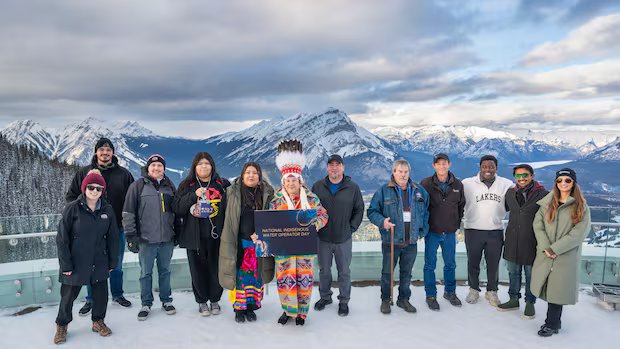

Listen to this article
Estimated 4 minutes
The audio version of this article is generated by AI-based technology. Mispronunciations can occur. We are working with our partners to continually review and improve the results.
A group dedicated to ending the 41 current long-term drinking water advisories on First Nations says part of the way to achieve the goal is by uplifting the work of people who work in water treatment plants.
Of those advisories, nearly half (46 per cent) are in places where water treatment systems are equipped with infrastructure that can produce clean water.
Water Movement, which aims to end drinking water advisories by connecting and supporting water and wastewater treatment operators, says recognizing local water operators can help.
Rod Badger, who previously worked as a water operator in his home community of Sucker Creek First Nation in Alberta, says many people don’t understand the role of water operators or how vital they are to their communities.
A water operator runs water treatment and distribution systems that allow communities access to safe water for drinking and washing purposes, according to Badger.
He first took up the job around 2004 when his community needed someone in the role quickly.
“I was working in the carpentry department of the nation and then they came and asked if anyone wanted to go work at the water plant and if they have a high school diploma. And I said ‘I do,'” he said.
When he was recruited, he said, the community had upgraded its system and he was the only person working directly with it.
Even with a good system and a relatively small population — Sucker Creek’s current population is just above 3,000 — Badger says running a treatment plant is never a one-person job.
“Even if it’s a simple system, you don’t want to invest all of everything into one person,” Badger said.
That one person could suddenly need to leave their work.
“I’ve witnessed things happening like that and the community’s kind of left high and dry without an operator,” he said.
“And then that’s when emergency hits and then things go wrong and it’s a catastrophe.”
Badger said he held that job for three or four years before becoming a trainer for nearly two decades and says he loved his job. He thinks highlighting the importance of the work and the quality of the job itself could help attract more people to the field.
That’s why Water Movement continues to push for federal recognition of National Indigenous Water Operator Day (NIWOD) in March. The group recently hosted its fifth annual event in Banff, Alta., where operators meet up and discuss strategies, according to executive director Bita Malekian.
Overcoming challenges
Malekian says water operators in First Nations face a number of challenges, from infrastructure to staffing.
“Retention is quite low,” she said.
While Malekian calls them “frontline heroes,” she said their importance is sometimes overlooked. For example, she said during the pandemic water operators were sometimes excluded from essential services lists that included fire departments, snow removal and garbage collectors.
On top of that, Malekian said communities are often willing to fund equipment but not people.
Badger has seen the same.
He says sometimes communities will resist investing in their water operators, either through training or compensation. He added he’s even heard some individuals say that water operators should be happy to have a job at all.
“We want to… have [communities] say that ‘We are lucky to have you working for us,'” he said.
Better pay and training could also create a ripple effect when it comes to people’s daily lives.
“It would also regain the community’s trust in their water because a lot of communities have lost trust in the quality of their water and do not even cook or clean with water from the tap,” Badger said.
Indigenous Services Minister Mandy Gull-Masty said in a statement on March 22 celebrating World Water Day that she plans to introduce new legislation to advance clean drinking water on First Nations.
The federal government also promised $2.3 billion in funding for the First Nations Water and Wastewater Enhanced Program beginning in 2026.