dailynewsnblog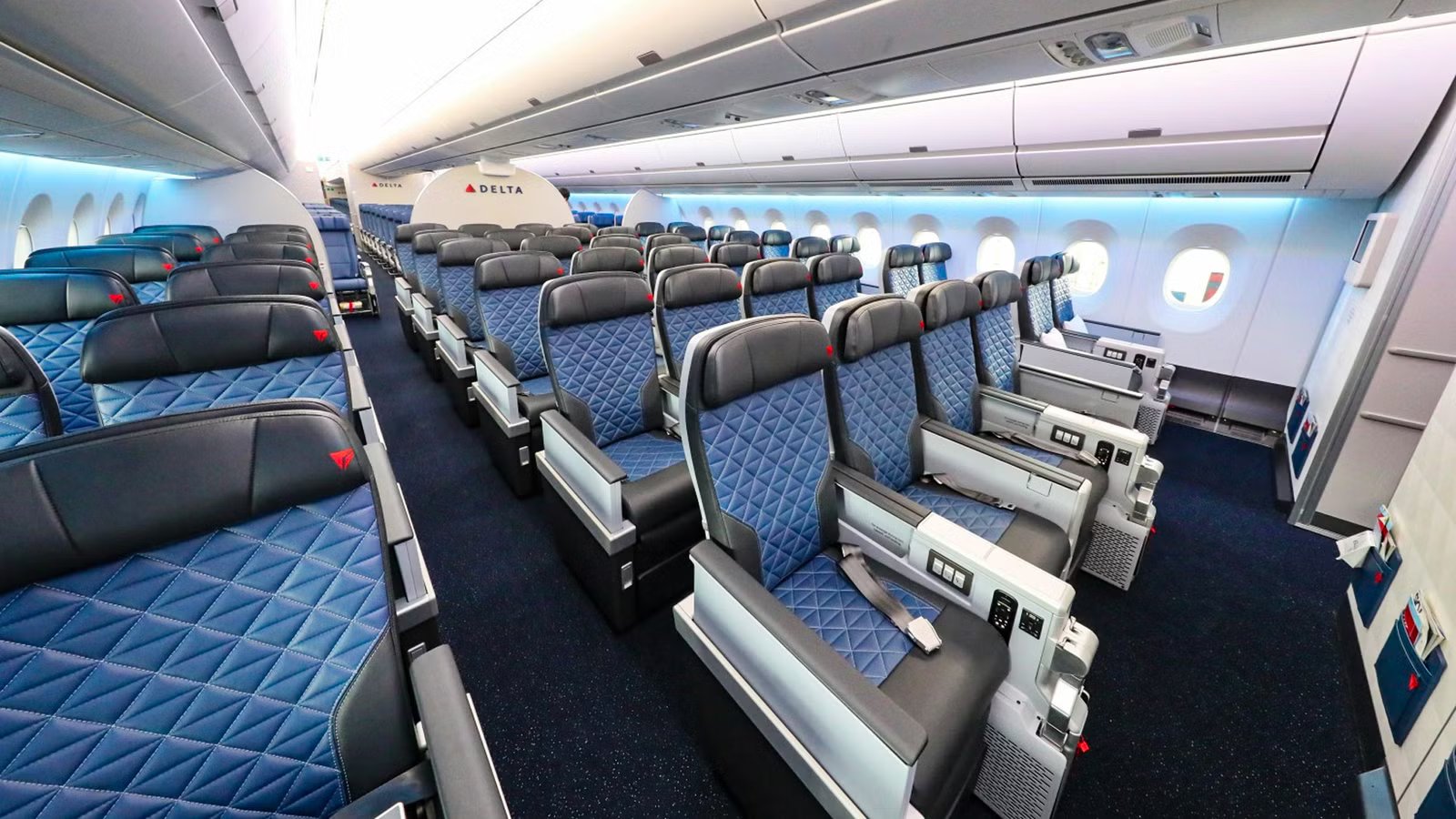
Premium economy has evolved from a niche cabin into a central pillar of airline strategy, driven by a clear mix of passenger demand and economics. What was once marketed as little more than extra legroom has become a distinctly defined travel class, with seat pitch increasing from around 31 inches in economy to 38–40 inches, wider seating, and noticeably improved service. At the same time, fares typically sit at 1.5–3x the price of economy, giving airlines a powerful way to boost revenue while offering passengers a meaningful step-up in comfort without the cost of business class.
This shift shows how airlines are rethinking their cabins and how people want to travel. With upgrades and new ideas from airlines across the world, premium economy has become a bigger deal, taking up more space and playing a more important role on long-haul flights than it used to. Below, we look at six key ways this cabin has evolved over the past decade, from its rapid growth and better onboard experience to how it’s shaping pricing, demand, and the mix of economy, business, and first class.
From Niche Offering To Standard Cabin

During the late 2010s, the concept gained serious momentum and became increasingly standardized, with clearer pricing, branding, and onboard experience. By the early 2020s, premium economy had expanded rapidly and is now effectively a global standard on long-haul routes. Even historically resistant carriers like Emirates have introduced dedicated cabins across their flagship aircraft, confirming that premium economy is now an essential part of modern airline offerings. Airlines now treat it as a core part of their cabin strategy, appealing to both leisure travelers seeking extra comfort and business travelers looking for a more affordable alternative to business class, which has helped drive its rapid growth worldwide.
A Powerful Revenue Driver For Airlines

Premium economy has emerged as one of the most strategically important cabins for airline profitability. It allows airlines to bridge the large price gap between economy and business class, capturing passengers willing to pay more, but not dramatically more, for improved comfort. This “middle market” has grown significantly over the past decade, particularly as both leisure and business travelers look for better value rather than outright luxury.
Financially, the model is highly efficient. Premium economy seats take up more space than economy but far less than business class, meaning airlines can increase revenue per square meter without significantly reducing total passenger capacity. On many aircraft, replacing a small number of economy rows with premium economy can generate disproportionately higher returns, especially on long-haul routes where passengers are more willing to pay for comfort. This has made the cabin especially attractive on routes with mixed leisure and business demand.
Airlines are now actively redesigning cabins to maximize this advantage. Many are shrinking standard economy sections while expanding premium cabins, reflecting a broader industry shift toward “yield management,” in which airlines optimize revenue by offering multiple, clearly segmented price tiers rather than relying on volume alone. Carriers like Lufthansa and Air France have leaned heavily into this model, using premium economy as a key pillar of their long-haul revenue strategy.

Here’s How Much More Spacious Premium Economy Is Compared To Economy Class
Premium Economy delivers 5–8 more inches of legroom, wider seats, and deeper recline—offering a calmer, more comfortable upgrade from standard Economy
A Significant Upgrade In Comfort And Features

The physical and experiential gap between economy and premium economy has widened considerably over the past decade. What was once a modest upgrade, often limited to a few extra inches of legroom, has evolved into a noticeably more comfortable and refined travel experience. Airlines now design premium economy as a distinct cabin with its own identity, rather than simply an extension of economy class.
Modern premium economy seats typically offer 20–25% more legroom than economy, along with increased seat width, deeper recline, and features such as adjustable headrests, calf rests, and footrests. Seat design has also improved, with better cushioning and ergonomic support aimed at long-haul comfort. Cabins are usually configured with fewer seats per row, such as 2-4-2 instead of 3-4-3, creating a more spacious, quieter, and less crowded environment. Additional touches, like larger entertainment screens, in-seat power, and upgraded materials, further enhance the onboard experience.
Beyond the seat itself, the service experience has been significantly upgraded. Airlines such as Singapore Airlines, Lufthansa, and British Airways now offer improved dining with higher-quality meals, premium beverages, and better presentation. Passengers often receive amenity kits, noise-reducing headphones, and priority services such as check-in and boarding. Altogether, these enhancements make premium economy feel much closer to a simplified business class experience than an upgraded economy seat.
Expansion Across Routes And Aircraft

Airbus A350 and Boeing 787 Dreamliner are commonly delivered with premium economy as a standard configuration, reflecting how central the cabin has become to airline strategy. Retrofitting programs across global fleets have further accelerated this growth, ensuring consistency across both new and older aircraft.
There is also increasing experimentation with similar concepts on medium-haul routes, where airlines are introducing enhanced seating options that replicate elements of premium economy without always using the same branding. Newer aircraft like the Airbus A321LR and Airbus A321XLR are enabling this shift, offering longer range with more flexible cabin layouts. Airlines such as JetBlue have introduced extra-legroom seating, bundled perks, and improved service tiers on shorter routes, reflecting growing confidence that passengers are willing to pay for added comfort even outside traditional long-haul flights.

How Much Do Premium Economy Seats Cost Compared With Economy?
It costs more, but is often worth the premium.
Changing Passenger Preferences

Corporate travel trends have played a key role in this shift. Many companies, especially following the disruption of the COVID-19 pandemic, have reduced business class travel budgets, encouraging employees to book premium economy instead. This has made the cabin especially popular among business travelers who still need comfort and productivity but must operate within tighter cost controls. As a result, premium economy has evolved from a niche product into a core part of airline strategy, attracting both cost-conscious corporate travelers and leisure passengers seeking a more comfortable flying experience.
Leisure travel has also evolved significantly. More passengers are embracing “affordable luxury,” choosing to upgrade selectively for long-haul or special trips such as honeymoons or once-in-a-lifetime vacations. Premium economy aligns perfectly with this mindset, offering a meaningful step-up in comfort and service without the steep price of business class, and appealing to a growing segment of experience-focused travelers.
Impact On First And Business Class

The rise of premium economy has reshaped how airlines allocate space and resources across cabins. One of the most significant effects has been the gradual decline of traditional first class on many carriers, as demand for ultra-luxury travel has narrowed and become less consistent compared to broader, mid-tier markets.
Airlines such as American Airlines and United Airlines have reduced or eliminated international first class, instead investing in larger business class cabins and expanded premium economy sections. This shift allows airlines to serve more passengers at different price points while maximizing revenue per aircraft, rather than dedicating large amounts of space to a few first-class seats.
At the same time, business class has evolved into a highly sophisticated product with lie-flat seats, direct aisle access, and enhanced privacy features, effectively absorbing much of what first class once offered. Premium economy complements this by acting as an intermediate step, creating a smoother pricing ladder and enabling airlines to cater to a wider spectrum of travelers. Together, these changes reflect a broader restructuring of airline cabins, where flexibility, efficiency, and passenger choice are prioritized over traditional luxury hierarchies.