dailynewsnblog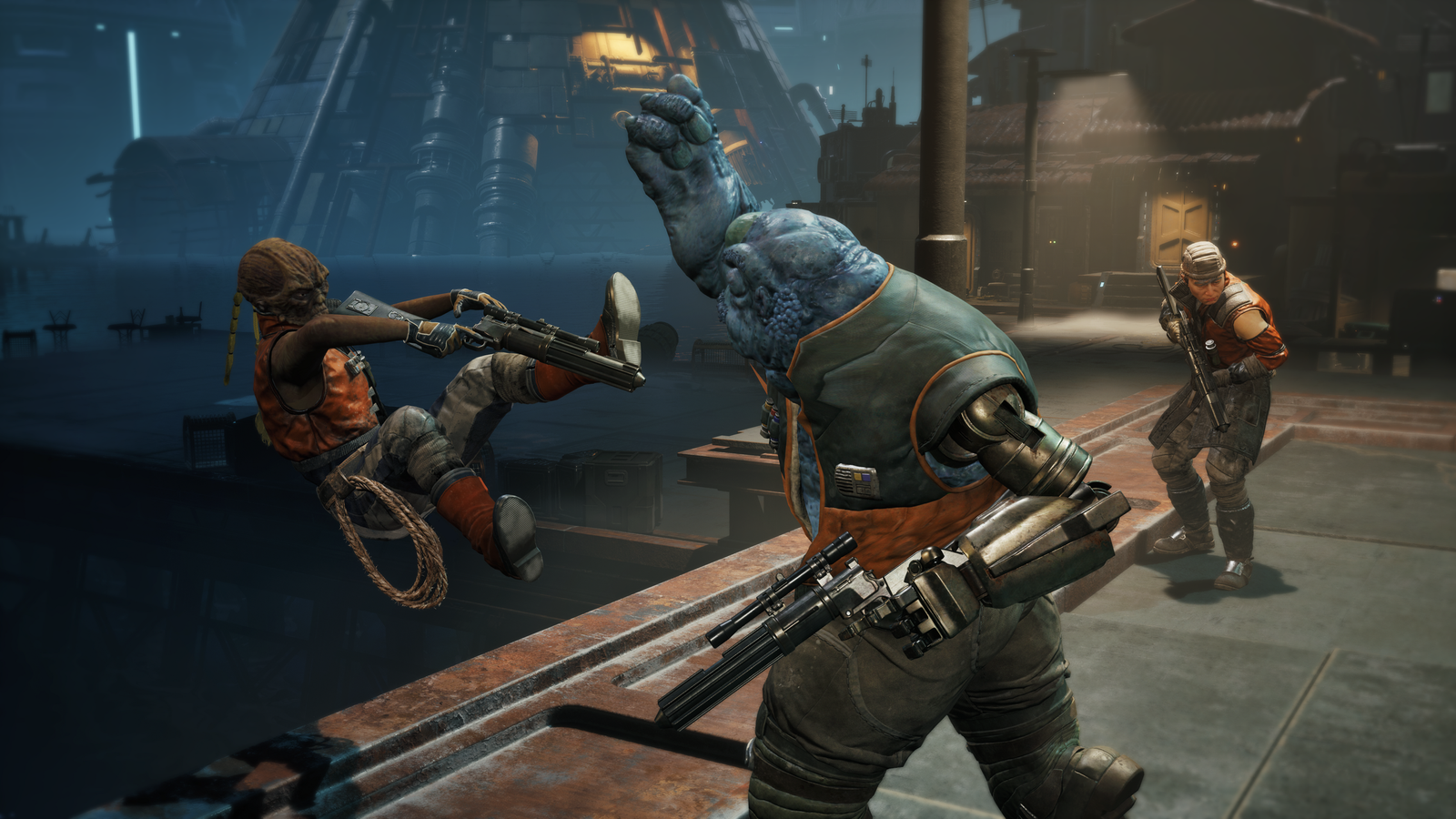
When it was announced that Baldur’s Gate 3 would have turn-based combat unlike its predecessors, I reacted like the little girl with the frog from The Cabin in the Woods: “The evil has been defeated!” Our long national nightmare was over. And by “nightmare” I mean games expecting us to control an entire party of characters in realtime, with the ability to pause and issue commands tacked on like a clumsy panacea.
Not everyone sees it the same way. Even the people making games with turn-based tactical combat like Star Wars Zero Company can’t be bothered disliking RTWP combat as vehemently as me. “Realtime-with-pause is not dead,” lead designer James Brawley told PC Gamer’s Ted Litchfield during his recent hands-on preview. “It will have its day. Someone will make something wonderful in that space, and it’ll take the world by storm again.”
Article continues below
“If you rewind back to the early 2000s, a lot of older games that were in this space—not exactly adjacent to what we’re doing, but they co-exist with that sort of team-based format—they tended to get very slow, very sluggish. They required a lot of patience to play. They were very rewarding in some cases, but I think it was hard for a lot of people to adopt that gameplay if they were coming out from another genre, coming from realtime strategy, or even coming from classical JRPG turn-based combat.”
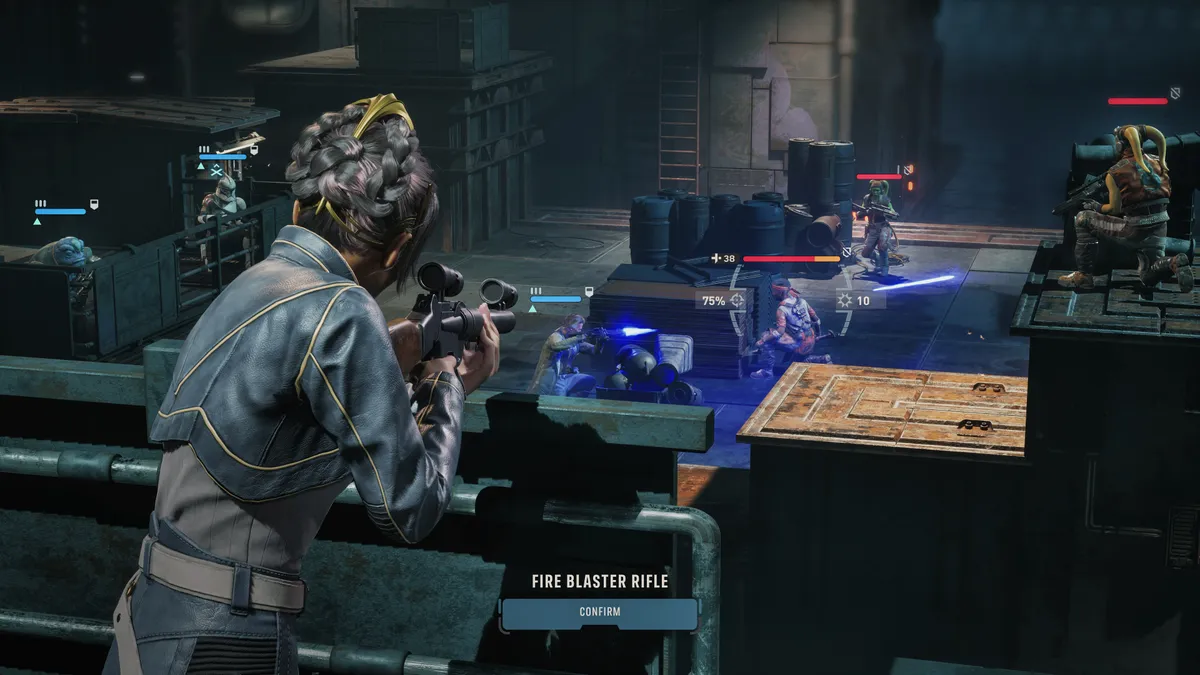
Returning to the original Jagged Alliance recently, a turn-based mercenary romp from 1995, I definitely had the sense that everything took at least one more click than it needed to. “You just ended in a space where just things took a very, very long time to play,” Brawley said, “and required a great deal of patience that you needed a very specific type of player who could really get into those games.”
It took some serious rethinking about how they felt to make turn-based tactics games a mainstream proposition again, but if a genre that stereotypically nebbishy can manage it, then why not RTWP? “I wouldn’t say that more realtime or realtime-with-pause-type tactical games are dead on arrival,” Brawley concluded. “I mean, they’ll be back. Somebody will come up with something really cool that will bring those same kinds of innovations back, bring that back into the forefront. It’s only a matter of time, I think, before that happens. And I’m looking forward to that as well, because I still enjoy those types of games.”