dailynewsnblog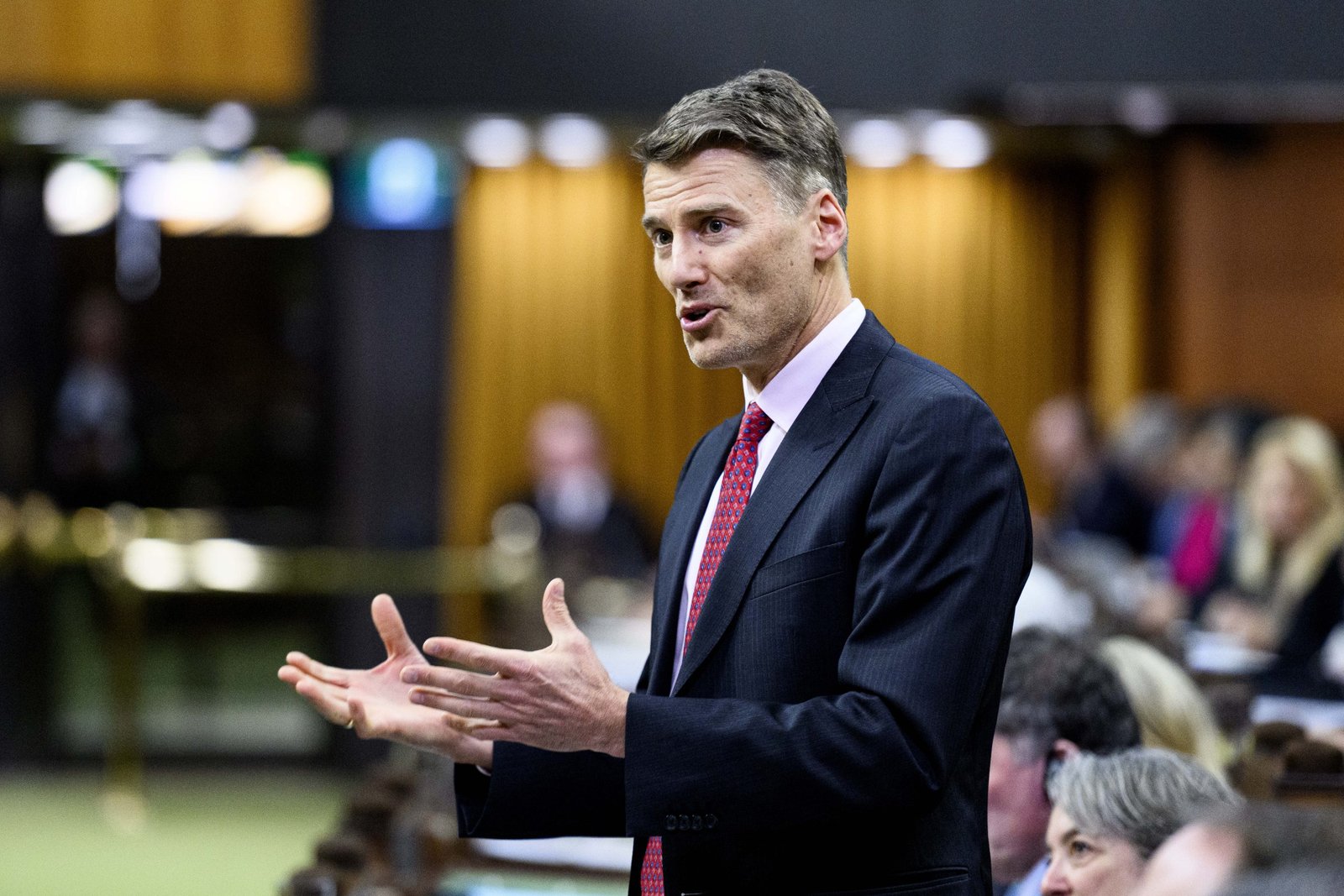
Responding to a question from iPolitics on Thursday, Robertson said that any decision on Markham would focus on the “integrity of the agreements and also their delivery,” and promised to “have more news on that soon.”
Housing Minister Gregor Robertson says he’s considering “next steps” on how to respond to the City of Markham walking back zoning changes it agreed as part of funding deal with the federal government.
Frank Scarpitti, the city’s mayor, announced earlier this month that he would use his strong-mayor powers to cancel a planned move to permit four-units-as-a-right zoning, a key condition in its deal with Ottawa to access nearly $59 million from the federal housing accelerator fund.
Critics said Robertson needs to level a stiff penalty or he risks seeing more municipalities reneging on their deals.
Responding to a question from iPolitics on Thursday, Robertson said that any decision on Markham would focus on the “integrity of the agreements and also their delivery,” and promised to “have more news on that soon.”
READ MORE: Markham becomes latest city to renege on promised housing reforms. Will the Liberals make them pay?
Markham follows in the footsteps of its much bigger neighbour to the south, Toronto, which made a similar walk down from promised housing reforms last year. The city had pledged to institute six-units-as-a-right zoning across its borders, but Mayor Olivia Chow opted for a compromise bylaw that limited its application to wards in central Toronto and Scarborough.
Initially, Robertson gave Toronto six months to change course. But when that deadline passed without any progress, he docked $10 million from the city’s $471 million HAF allotment.
That’s less than the $30 million former housing minister Nathaniel Erskine-Smith threatened to withhold from the city back in early 2025.
At the time, critics suggested the Liberals were wavering on the HAF program, and Robertson would be far less demanding in ensuring enforcement of the agreements.
Robertson shot back on Thursday, saying the integrity of the agreements reached with the municipalities is “very important,” and explained that any decision on penalties would look at “the commitments that are made, how the local governments meet those commitments or not, as well as the delivery of housing.”
“That’s critical here. The whole purpose of this is to get more housing built and speed up the approvals and permitting,” he explained.
Since its introduction in 2023, over 240 municipalities reached deals with Ottawa to secure funding under HAF. In exchange for the money, municipalities had to outline how it would be used to eliminate bottlenecks in getting online new housing, including making zoning changes that would eliminate red-tape.
Bryce McRae, a former stakeholder relations director for Conservative Leader Pierre Poilievre, told iPolitics earlier this week that Markham’s move shows the limitation of the government’s “carrot” approach to dealing with the municipalities.
Under HAF, the government provided additional funding for municipalities that agree to their terms. It has no impact on eligibility for the score of other federal programs.
That means municipalities walking back zoning reforms won’t jeopardize necessary infrastructure funding.
McRae said municipalities are feeling “emboldened” by the experience in Toronto, and know that even if they risk being penalized, they will still be able to take in some HAF cash they wouldn’t otherwise have without having to wear politically contentious zoning changes.
This takes on an added layer of importance with Ontario and B.C. — the home of the country’s priciest housing markets — holding municipal elections this year.
“The challenge now is the municipalities are now taking that carrot and we’re now in a situation where they’re kind of calling the government’s bluff, ” said McRae, now a senior consultant with Summa Strategies.
“Is the government going to pull that money completely, or are they going to they might see it as half measures or just certain amounts of funding that they can claw back? It remains to be seen what kind of precedent they’re going to set.”