dailynewsnblog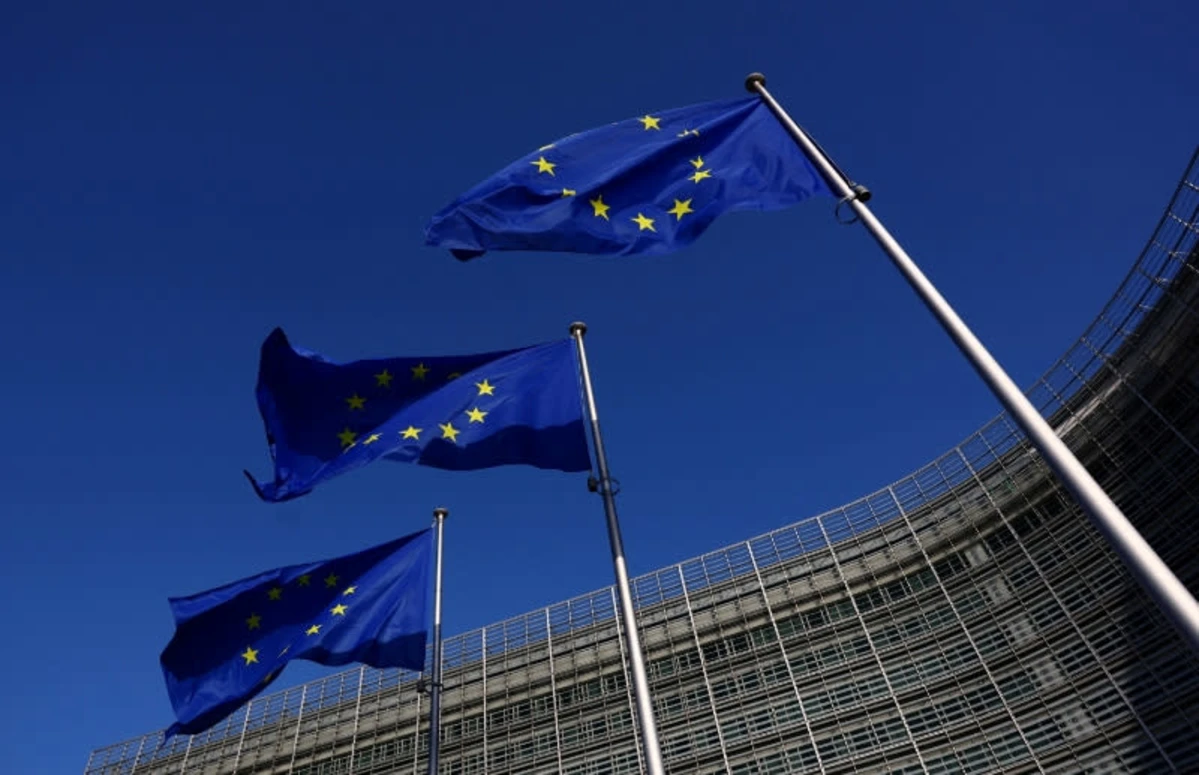
The European Commission (EC) accused four porn platforms of not doing enough to prevent minors from accessing their content. In its preliminary findings of a 10-month investigation, the European Union’s regulatory arm said Pornhub, Stripchat, XNXX and XVideos have breached the Digital Services Act (DSA).
The EC said the platforms have an ineffective “self-declaration“ measure — they only require users to make a single click to state they are over 18. Nor do efforts like content warnings, page blurring and “restricted to adults” labels “effectively prevent minors from accessing harmful content.” As such, the EC said the platforms are failing to protect the wellbeing and rights of minors, and it demanded that they put privacy-preserving age verification systems in place.
Furthermore, the EC said the quartet did not use objective and thorough methodologies to fully assess the risks to minors accessing content on their platforms. The regulator determined Stripchat, Xvideos and XNXX either misrepresented or failed to take into account consultations with organizations that specialize in children’s rights and age verification systems in their risk assessments. It also suggested that the platforms’ risk assessments “disproportionately emphasized business-centric concerns, such as reputational damage, rather than focusing on the societal risks to minors.”
The platforms now have the chance to review the EC’s preliminary findings and respond to them. They can implement measures to remedy the alleged DSA breaches as well. However, if the Commission confirms that the platforms failed to adhere to the DSA and it decides to issue a non-compliance decision, the porn providers could be on the hook for fines of up to six percent of their global annual turnover.
“In the EU, online platforms have a responsibility. Children are accessing adult content at increasingly younger ages and these platforms must put in place robust, privacy-preserving and effective measures to keep minors off their services,” Henna Virkkunen, the European Union’s executive vice-president for tech sovereignty, security and democracy, said in a statement. “Today, we are taking another action to enforce the DSA — ensuring that children are properly protected online, as they have the right to be.”