dailynewsnblog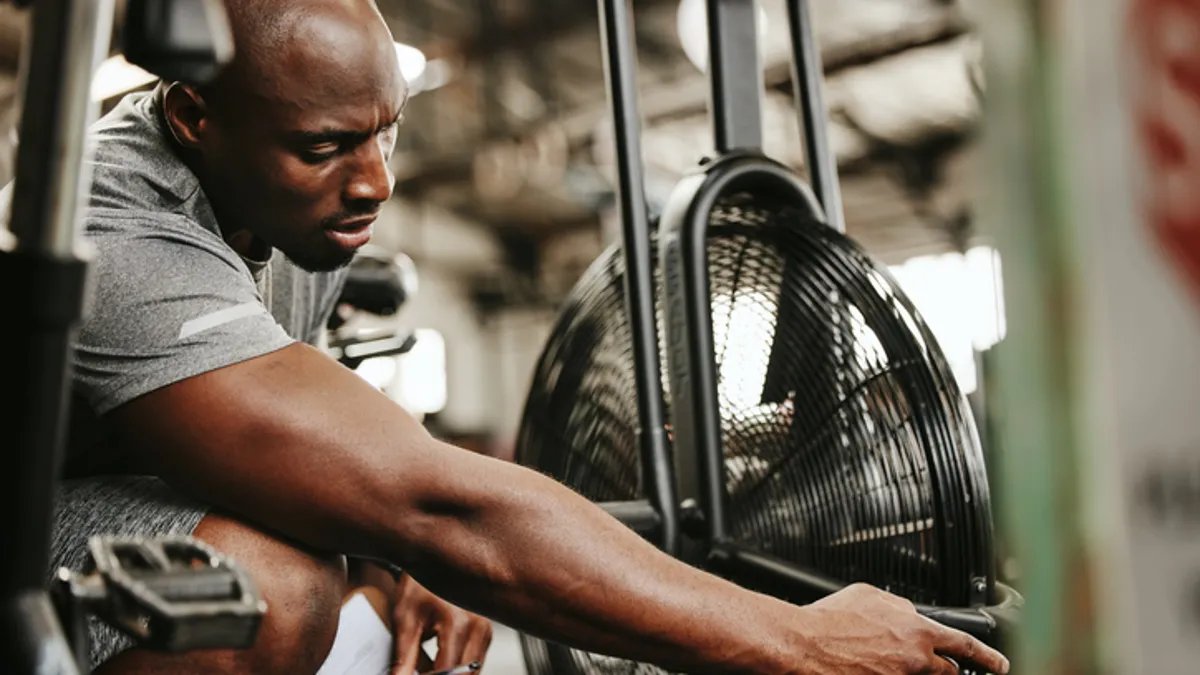
If you’re one of the many people who enjoy working out at home, chances are you’ve invested in a large piece of fitness equipment, such as a treadmill. These types of machines don’t come cheap so it’s in your best interest to take care of them so they last a long time.
Depending on the machine you own, there are different ways to maintain your equipment and it can be helpful to know what to look out for when doing so. Whether you own an exercise bike, a treadmill or a rowing machine, there are ways to keep them functioning like new at no extra cost.
We spoke to a gym owner and personal trainer who know a thing or two about maintaining gym equipment to take the guesswork out for you. If you own any of these machines, make sure you’re doing this to maintain them throughout the year.
Treadmills: Don’t neglect the belt
Make sure to keep your treadmill belt clean and well-maintained. Especially if you use the same sneakers for outdoor activities.
If you own a treadmill, you know that for it to run well, you want the belt to remain smooth whether you run, jog or walk on it. Marshall Weber, a certified personal trainer and owner of Functional Idaho Gym, recommends maintaining your treadmill on a monthly basis. This also depends on how often you and anyone else in your household use the treadmill during the week. Some signs a treadmill needs TLC include a belt that sounds or feels off.
“If you begin to notice that your belt from the machine is squeaky or you feel it slipping under your feet, that is a strong sign you need to do a little bit of upkeep, because a properly maintained belt should feel smooth,” Weber says.
The good news is you don’t need to hire a professional to service your treadmill. To learn how to lubricate your treadmill, you can do it yourself by following a YouTube tutorial — just make sure it aligns with your manufacturer’s instructions. Peloton, for instance, offers its own treadmill maintenance tips.
Keep it clean and dust-free
When cleaning your belt, don’t neglect the area underneath it. “Dust builds up under it, which people forget,” says Cara D’Orazio, a certified personal trainer, group fitness instructor and specialist in sports conditioning. Weber agrees, saying, “I recommend taking the incline all the way up, sliding a light towel under the belt and letting the machine run for a few seconds.” This will help remove the dirt hiding under the belt.
Weber also advises keeping the treadmill clean after each use, especially if you use the same shoes outdoors as you do indoors, as they get dirty quickly.
Center the belt
If you maintain your treadmill regularly, you shouldn’t need to replace its parts often. You may, however, need to adjust your treadmill’s belt from time to time. “You need to check the belt tension and make sure it’s centered,” says Weber, because over time the belt may shift to the left or right side. D’Orazio adds, “Some parts like the belt might need replacing every few years, especially if it looks worn down or frayed on the edges.”
If you notice any issues with the motor or other electrical parts of your treadmill, you may need to call the manufacturer to see if they offer repairs or replacements under your warranty.
Exercise bikes: Check your bolts
If you own an exercise bike, make sure you’re checking the pedals and the resistance knob.
If you own a Peloton Bike or a similar exercise bike, you should be maintaining it. Weber says air bikes like Watt bikes, which use a fan to create resistance, require a different type of attention than a spin bike that uses a weighted flywheel.
“Generally, checking on bolts monthly and a good wipe down after use should suffice,” Weber recommends.
Ensure bike pedals are secure
You should also be testing and making sure your bike pedals are still secure and not coming loose. This is important if you wear clip-in shoes that latch onto the bike pedal cages.
“If the bottom cleats look really worn down, you have trouble clipping in and out or if the pedal feels loose or doesn’t ‘grab’ the cleat good anymore, that could mean the pedal needs replacing,” warns D’Orazio.
Don’t neglect the resistance knob
The resistance function or knob on a bike should be tested periodically to make sure it’s functioning correctly. “Once in awhile also check the resistance to make sure it still feels smooth,” D’Orazio advises. Signs an exercise bike needs repair or tuning include clicking sounds, resistance that doesn’t adjust properly or wobbling pedals.
“That usually means something needs tightening or replacing,” explains D’Orazio. If you notice anything unusual with the motor, contact your manufacturer.
Rowing machines: Listen for odd noises
A rowing machine requires the least amount of maintenance but you should do monthly checks to make sure it’s still functioning well.
If you own a rowing machine, you probably appreciate that this machine doesn’t take up as much space as an exercise bike or treadmill. Some designs even let you fold it up to save space.
“Of all of the machines one can have, this one is the best because it requires the least amount of upkeep,” says Weber. He recommends giving your rowing machine monthly checks and wiping it down after each use. “If you hear any odd noises coming from the rail [the part where you sit] or the spin wheel [the internal mechanism], then it may need some attention.”
What may require replacing
If a rowing machine needs a part replaced, it could be one of a few things. “On a rower, you might have to replace the strap, handle or bungee cord after a few years,” D’Orazio says, adding, “If the seat doesn’t roll smoothly anymore, the rollers might need replacing too.”
As always, check with the manufacturer first to see how they can help with these repairs, as they may be covered under your warranty.
Know your equipment’s warranty policy
Knowing your equipment’s warranty can save you money if you use it correctly.
If you own any of these machines, it’s important to know your warranty in case you need a replacement part or a new machine altogether. It’s helpful to know what parts the manufacturer will replace for you and for how long.
Based on CNET’s fitness equipment testing, below is an estimate of what a warranty can look like for an exercise bike, treadmill or rowing machine.
Treadmills
Some treadmills have a lifetime warranty, but the warranty for parts, the frame, the screen (if applicable) and labor may vary. For example, NordicTrack offers a lifetime warranty, but limits it to 10 years for the frame, 2 years for parts and 1 year for the tablet. Other brands, such as Aviron, offer a 10-year or 20-year warranty (depending on a monthly or annual membership), and Peloton provides a 5-year warranty on the frame and motor, but only 1 year on the touchscreen and certain components. Peloton maintains the same policy across all its fitness equipment.
You can also purchase additional coverage to extend your warranty with some manufacturers. The warranty will depend on the brand and manufacturer, so before purchasing, make sure you’re clear on its policy.
Exercise bikes
The warranty length for exercise bikes also varies per manufacturer. Some, such as BowFlex, offer 10-year coverage for the frame and 3 years for the mechanical parts and electronics. Others, like Speediance, offer 2-year coverage for the screen and similar components, but 1 year for wear and tear on the seat or pedal replacement. You can purchase additional coverage to extend your warranty.
Rowing machines
Most rowing machine brands offer similar warranties but there may be some differences depending on the brand. Coverage for brands like Peloton and Hydrow only lasts 1 year but if it’s the least high-maintenance machine, as experts say it is, you may not need to worry about its longevity as much.
Like treadmills and exercise bikes, most companies offer extended warranties for extra protection.