dailynewsnblog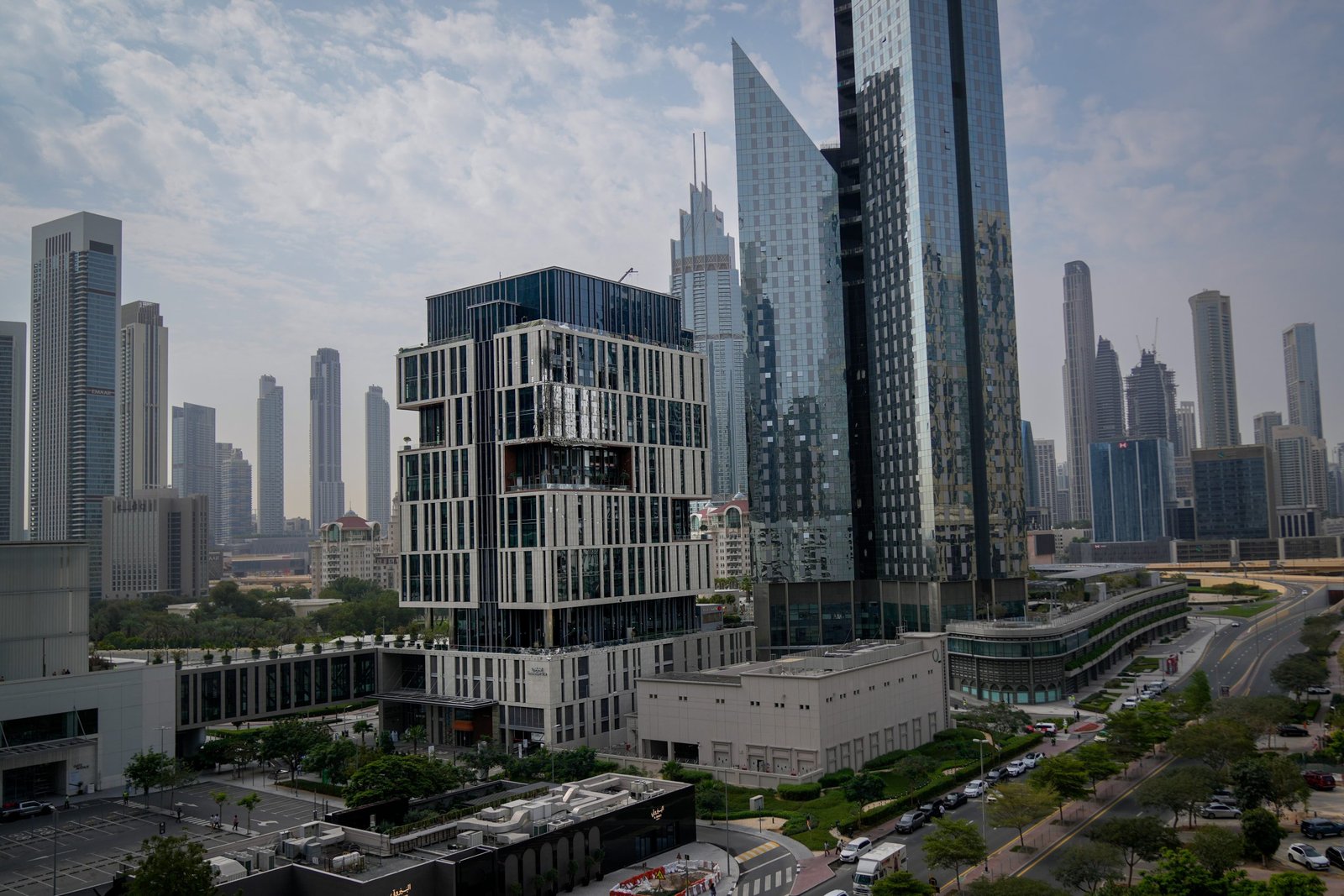
Abdulrahman Al Neyadi, the United Arab Emirates’ ambassador to Canada, said the country “deeply appreciates” calls between Carney and UAE President Sheikh Mohamed bin Zayed Al Nahyan, as well as Canada’s co-sponsoring a UN resolution condemning unprovoked strikes on Gulf states by parties involved in Israel and the U.S. war against Iran.
The ambassador of a Gulf country stuck in the middle of the conflict in the Middle East says Canada is a “vital partner for regional stability,” and applauded Prime Minister Mark Carney for supporting efforts aimed at easing hostilities.
Abdulrahman Al Neyadi, the United Arab Emirates’ ambassador to Canada, said the country “deeply appreciates” calls between the prime minister and UAE President Sheikh Mohamed bin Zayed Al Nahyan, as well as Canada’s co-sponsoring a UN resolution condemning unprovoked strikes on Gulf states by parties not involved in Israel and the U.S. war against Iran.
He also praised Canada for supporting a UAE-led resolution at the International Maritime Organization council that “strongly condemned Iranian threats and attacks against vessels, as well as its purported closure of the Strait of Hormuz,” a hugely important shipping route that has become a focal point in the conflict due to the amount of oil that flows through the passage.
“Canada is a vital partner for regional stability, and its voice carries significant weight in the international community,” the ambassador said in a statement.
“In the face of recent escalations and clear breaches of state sovereignty that have threatened regional and global security, the immediate objective is to prevent further conflict and advance efforts toward lasting stability.”
Carney visited the UAE earlier this year, and the two countries agreed to a foreign investment and promotion agreement. It was the first trip by a Canadian prime minister to the country in decades.
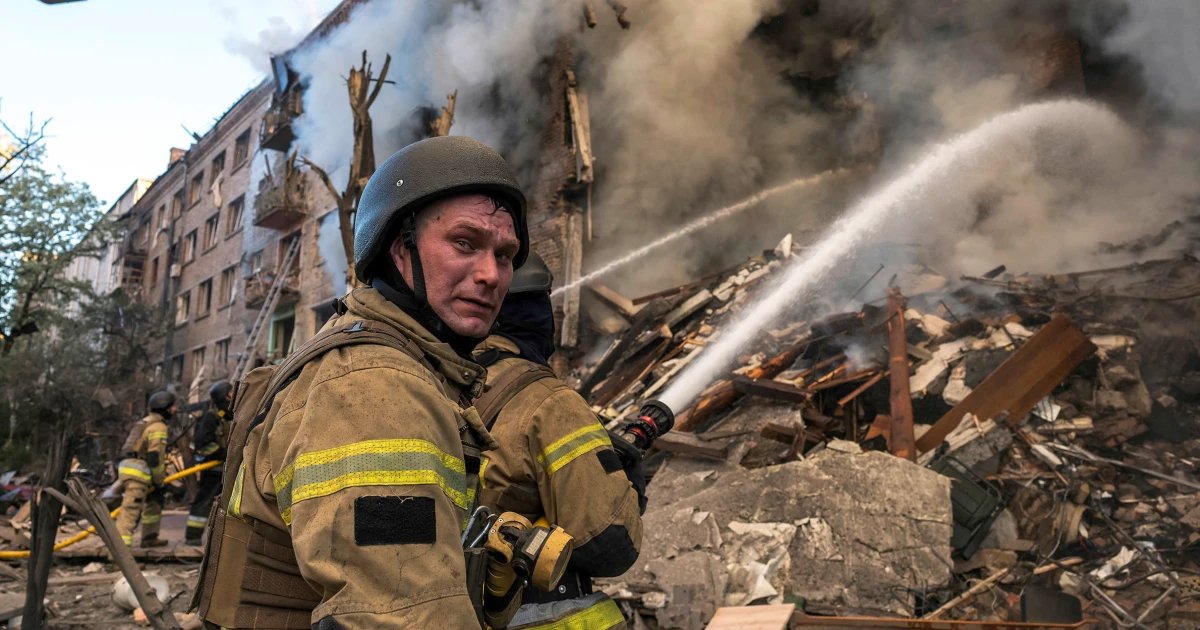
But that came before Israel and the U.S. began their campaign against Iran, which has retaliated by attacking neighbouring Gulf states, including the UAE.
Al Neyadi said it’s “deeply concerning that Iran’s unprovoked aggression has been directed not at parties to the conflict, but at its neighbours — countries that have invested significant effort in preventing escalation.”
He said the “UAE categorically rejects any narratives seeking to justify this aggression, which reflects a short-sighted and dangerous course.”
The UAE does not seek to be drawn into escalation, but it will take all necessary measures to safeguard its sovereignty, national security, and territorial integrity, and ensure the safety of our citizens, residents, and visitors in accordance with international law and the UN Charter.”
Iran’s attacks have sent oil prices surging, and have threatened the livelihood of many countries in the region that rely on oil exports by blockading the Strait of Hormuz.
But the UAE economy is less tied to oil production than its neighbours, the ambassador said.
Despite the war, he said the country’s economy doesn’t need radical fixes, with 75 per cent of its GDP tied to non-oil sources, and its sovereign wealth funds holding approximately $2.49 trillion (USD) in assets, making UAE the third-largest sovereign wealth holder globally.
“The UAE has strengthened its economic and investment partnerships with vital markets around the world, and built a business environment that ranks among the most distinguished globally,” he said, noting that tourism has also emerged as a top driver of the country’s economy.
“This resilience is the result of decades of careful planning, strong governance, and the shared commitment of everyone who calls the UAE home. Today, we are determined not only to overcome at this critical juncture, but to emerge stronger.”