dailynewsnblog
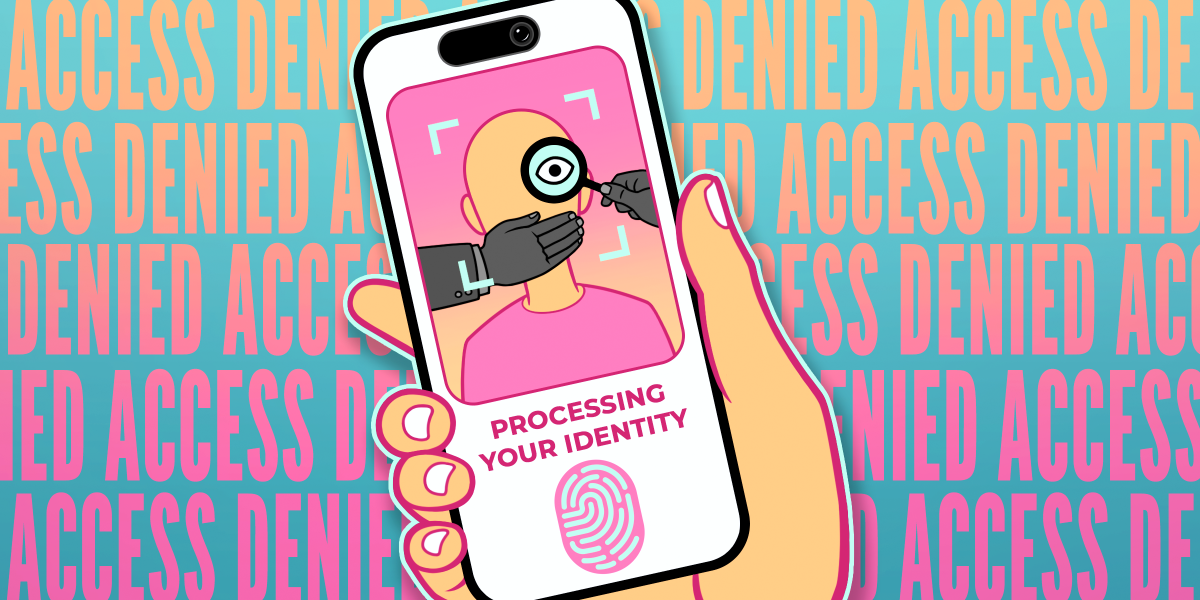
The UK is moving forward with its efforts to ban social media for young people. Ahead of this week’s House of Lords debate on the topic, we’re getting you situated with a primer on what’s been happening and what it all means.
What was the last vote about?
On 9 March, the House of Commons discussed amendments tabled by the House of Lords in the government’s flagship legislation, the Children’s Wellbeing and Schools Bill.
The House of Lords previously tabled an amendment to “prevent children under the age of 16 from becoming or being users” of “all regulated user-to-user services,” to be implemented by “highly-effective age assurance measures,” which effectively banned under-16s from social media. When this proposal came before the House of Commons, MPs defeated it by 307 votes to 173.
Instead, the Commons proposed its own amendment: enabling the Secretary of State to introduce provisions “requiring providers of specified internet services” to prevent access by children, under age 18 rather than 16, to specified internet services or to specified features; and to restrict access by children to specified internet services which ministers provide.
Who does this give powers to?
The Commons proposal redirects power from the UK Parliament and the UK’s independent telecom regulator Ofcom to the Secretary of State for Science, Innovation and Technology, currently Liz Kendall, who will be able to restrict internet access for young people and determine what content is considered harmful…just because she can. The amendment also empowers the Secretary of State to limit VPN use for under 18s, as well as restrict access to addictive features and change the age of digital consent in the country; for example, preventing under-18s from playing games online after a certain time.
Why is this a problem?
This process is devoid of checks or accountability mechanisms as ministers will not be required to demonstrate specific harms to young people, which essentially unravels years-long efforts by Ofcom to assess online services according to their risks. And given the moment the UK is currently in, such as refusing to protect trans and LGBTQ+ communities and flaming hostile and racist discourses, it is not unlikely that we’ll see ministers start restricting content that they ideologically or morally feel opposed to, rather than because the content is harmful based, as established by evidence and assessed pursuant to established human rights principles.
We know from other jurisdictions like the United States that legislation seeking to protect young people typically sweeps up a slew of broadly-defined topics. Some block access to websites that contain some “sexual material harmful to minors,” which has historically meant explicit sexual content. But some states are now defining the term more broadly so that “sexual material harmful to minors” could encompass anything like sex education; others simply list a variety of vaguely-defined harms. In either instance, this bill would enable ministers to target LGBTQ+ content online by pushing this behind an under-18s age gate, and this risk is especially clear given what we already know about platform content policies.
How will this impact young people?
The internet is an essential resource for young people (and adults) to access information, explore community, and find themselves. Beyond being spaces where people can share funny videos and engage with enjoyable content, social media enables young people to engage with the world in a way that transcends their in-person realm, as well as find information they may not feel safe to access offline, such as about family abuse or their sexuality. In severing this connection to people and information by banning social media, politicians are forcing millions of young people into a dark and censored world.
How did each party vote?
The initial push to ban under-16s from social media came from the Conservative Party, who have since accused the UK’s Prime Minister Keir Starmer of “dither and delay” for not committing to the ban. The Liberal Democrats have also called this “not good enough.” The Labour Party itself is split, with 107 Labour Party MPs abstaining in the vote on the House of Lords amendment.
But we know that the issue of young people’s online safety is a polarizing topic that politicians have—and will continue to—weaponize for public support, regardless of their actual intentions. This is why we will continue to urge policymakers and regulators to protect people’s rights and freedoms online at all moments, and not just take the easy route for a quick boost in the polls.
How does this bill connect to the Online Safety Act?
The draft Children’s Wellbeing and Schools Bill that came from the Lords provided that any regulation pertaining to the well-being of young people on social media “must be treated as an enforceable requirement” with the Online Safety Act. The Commons amendment, however, starts out by inserting a new clause that amends the Online Safety Act.
For more than six years, we’ve been calling on the UK government to pass better legislation around regulating the internet, and when the Online Safety Act passed we continued to advocate for the rights of people on the internet—including young people—as Ofcom implemented the legislation. This has been a protracted effort by civil society groups, technologists, tech companies, and others participating in Ofcom’s consultation process and urging the regulator to protect internet users in the UK.
The MPs amendment essentially rips this up. Technology Secretary Liz Kendall recently said that ministers intended to go further than the existing Online Safety Act because it was “never meant to be the end point, and we know parents still have serious concerns. That is why I am prepared to take further action.” But when this further action is empowering herself to make arbitrary decisions on content and access, and banning under-18s from social media, this causes much more harm than it solves.
Is the UK alone in pushing legislation like this?
Sadly, no. Calls to ban social media access for young people have gained traction since Australia became the first country in the world to enforce one back in December. On 5 March, Indonesia announced a ban on social media and other “high-risk” online platforms for users under 16. A few days later, new measures came into effect in Brazil that restricts social media access for under-16s, who must now have their accounts linked to a legal guardian. Other countries like Spain and the Philippines have this year announced plans to ban social media for under-16s, with legislation currently pending to implement this.
What are the next steps?
The Children’s Wellbeing and Schools Bill returns to the House of Lords on 25 March for consideration of the new Commons amendments. The bill will only become law if both Houses agree to the final draft.
We will continue to stand up against these proposals—not only to young people’ free expression rights, but also to safeguard the free flow of information that is vital to a democratic society. The issue of online safety is not solved through technology alone, especially not through a ban, and young people deserve a more intentional approach to protecting their safety and privacy online, not this lazy strategy that causes more harm than it solves.
We encourage politicians in the UK to look into what is best, not what is easy, and explore less invasive approaches to protect all people from online harms.