Manitoba budget expands tax exemption on food items, aims to cut deficit


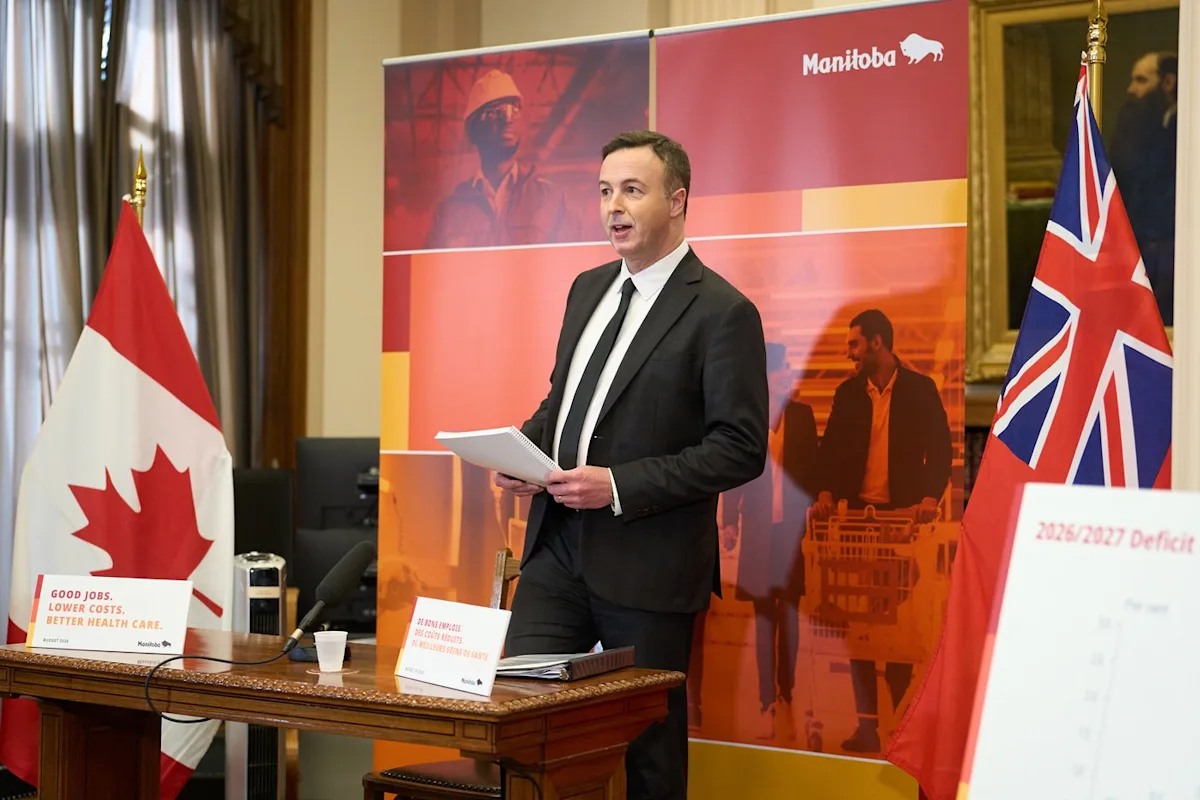
WINNIPEG — The Manitoba government laid out a provincial budget Tuesday that promises savings for snack lovers, many homeowners and young people who ride buses.

As of July 1, the province plans to remove the provincial sales tax from food and beverages sold in grocery stores.

Basic groceries such as milk, produce, meat and bread are already exempt. The budget will extend the exemption to candy, snack foods, prepared meals and more.

“We’re making life a little bit easier for parents who are picking up that rotisserie chicken to feed their kids after hockey practice or workers who want to grab a prepared salad,” Finance Minister Adrien Sala said.

Snacks are important to families, he added.

“Getting ready for a birthday party, you’ve got to buy those cans of pop and the chips. That’s part of every family’s expenses.”

Doctors Manitoba, which represents physicians across the province, said it was interested in learning more details, but expressed concern about making junk food more accessible, especially in remote communities where fresh food is more expensive.

“When I work in the emergency room and I see a kid with a sore ear that’s drinking Pepsi and eating Doritos, I don’t want that to be the easiest accessible option for them and their family,” Dr. Nichelle Desilets, the group’s president, said.

“We want to see healthy foods prioritized.”

The Retail Council of Canada said the number of people buying prepared meals at stores has been growing.

“It’s ways of finding opportunities to save time (and) increase convenience,” regional director John Graham said.

The budget raises the province’s education property tax credit for homeowners by $100 to $1,700 as of next year.

But it also introduces a clawback, on a sliding scale, for owners of homes assessed at more than $1 million. People with homes assessed over $1.5 million will no longer receive the credit at all.

The Opposition Progressive Conservatives said the $100 boost won’t keep up with rising school taxes in many areas. Some school divisions in Winnipeg have raised taxes by more than 20 per cent over four years.

The government is also promising to work with municipalities with public transit systems to provide free rides for students up to Grade 12. Winnipeg already offers free rides to children 11 years and younger if they’re accompanied by an adult.

“It’s not just about affordability. It’s about our path to net zero (emissions). And I think really excitingly, it’s about creating a new generation of bus riders,” Sala said.


Winnipeg Mayor Scott Gillingham said the goal is a good one, but the province has not revealed how much it would cost.

“When we can get more people riding transit, that’s a good thing. We’ll just have to work with the province to make sure we can do all this within budget,” the mayor said.

The budget also offers more money for child care. Some 3,500 families who receive the highest subsidy for care and pay $2 a day as a result will have that fee eliminated.

Renters will see a $50 increase in their annual tax credit.

The budget sets aside $22.1 million for a cardiac care clinic at St. Boniface Hospital in Winnipeg, including 18 new beds and a cardiologist stationed in the emergency department.

The budget is the third delivered by the NDP government since the 2023 election. It forecasts a deficit of $498 million on total spending of $27.3 billion.

Manitoba has run deficits in every year but two since 2009, and the NDP has promised to balance the budget before the next election, slated for October 2027.

It has missed its targets so far. The deficit for the current fiscal year more than doubled, driven largely by drought and forest fires.

Sala said the government is on track to balance the books in the next fiscal year. Tuesday’s budget forecasts real GDP growth of 1.3 per cent this year and 1.7 per cent next year, leading to a projected $8-million surplus next year.

The budget forecast is also based on a return to more-normal weather and the traditional $50 million set aside for emergency expenditures — down from $224 million spent fighting a near-record number of wildfires last summer.

This report by The Canadian Press was first published March 24, 2026.

— With files from Brittany Hobson

Steve Lambert, The Canadian Press


Source link

  • Related Posts

    President Trump to deploy more than 1,000 additional troops

    IE 11 is not supported. For an optimal experience visit our site on another browser. ‘Reacher’ star Alan Ritchson cleared after neighborhood fight 01:34 Elementary school ‘carpool dads’ surprise crossing…

    TSA officers describe tears, tough choices and dwindling savings from working without pay

    A woman in Indiana who put off dental surgery because she doesn’t know if she can afford the copay. A Florida couple with young children who are depleting their savings.…

    Leave a Reply

    Your email address will not be published. Required fields are marked *

    You Missed

    Upgrades to Toronto Stadium unveiled with World Cup games on horizon

    Upgrades to Toronto Stadium unveiled with World Cup games on horizon

    ICYMI: Pokémon Champions Is Getting A Free Update For Switch 2

    ICYMI: Pokémon Champions Is Getting A Free Update For Switch 2

    Middle East crisis live: Iran launches strikes on US bases in Gulf; oil prices drop after Trump ‘peace plan’ report | Iran

    Middle East crisis live: Iran launches strikes on US bases in Gulf; oil prices drop after Trump ‘peace plan’ report | Iran

    Your Body Is Betraying Your Right to Privacy

    Your Body Is Betraying Your Right to Privacy

    President Trump to deploy more than 1,000 additional troops

    President Trump to deploy more than 1,000 additional troops

    Australia backs Lebanon’s sovereignty and opposes occupation, Penny Wong tells Israel | Australian politics

    Australia backs Lebanon’s sovereignty and opposes occupation, Penny Wong tells Israel | Australian politics