dailynewsnblog
The Boeing 747-400 was the last Boeing 747 Jumbo variant produced in large numbers, including large passenger variant numbers. In all, Boeing built 694 airframes, compared to only 155 examples of the final Boeing 747-8 aircraft. The majority of the Boeing 747-8’s orders were freighters, with just three airlines, Lufthansa, Air China, and Korean Air, ordering the passenger variant. It also secured a few VIP passenger jet orders.
As of 2026, the 747-400 is rapidly disappearing from the skies as a scheduled passenger airliner and is increasingly becoming a de facto freighter-only aircraft. While it is possible to provide a range for the hourly operating cost of a Boeing 747-400, estimates depend on fuel prices, ownership status, where it is being flown, what mission it is being flown for, how often it is being flown, and much more.
Fuel Prices Are Currently Highly Volatile

According to BBC Future Planet, a Boeing 747-400 burns around 0.09 gallons of fuel per second or around 3,240 gallons (14,400 liters) of fuel per hour. That said, fuel burn varies by payload, mission, speed, engines, and other factors. Estimating the cost of fuel is somewhat problematic as the cost of fuel is volatile. In mid-2025, the IATA reported that the cost of jet fuel was around 192.6 cents per gallon globally, but as of the time of writing, the cost has spiked by almost double since the US/Israeli air campaign over Iran.
This means a fuel cost estimate as of the time of writing is dramatically different from a few weeks ago and could be dramatically different from a few weeks from now. It is possible that the cost of fuel will continue to spike. Volatility means it is not possible to estimate if the costs will return to normal or spike further in the short and medium term.
Last year, the cost of fuel per hour may have been around $6,200 per hour; however, as of March 2026, it could be north of $10,000 with volatility. The cost of the crew also varies. For example, the cost of crew in a low-income country like Pakistan is an order of magnitude lower than that of the United States.
Crew, Lease Payment, Maintenance: Highly Variable Expenses

If the flight is a cargo flight, then the company may only need to pay for two pilots; if it’s a passenger flight, it will need to pay for cabin crew. Widebody aircraft are flown by the most senior Captains, and these are typically paid between $400 and $500 an hour. Cabin crew is typically paid between $35 and $85 per hour, depending on seniority.
Another major factor is whether the 747-400 is owned by the airline or leased; lease payments vary with the age of the aircraft, but may add hundreds of thousands of dollars per month. An airline owning the aircraft, perhaps after completing a long-term lease with an end-of-lease purchase option, will not have to worry about that expense. As the global 747-400 fleet is now old, many are likely to be fully paid off.
|
Boeing 747-400 (per Boeing) |
|
|---|---|
|
Number delivered |
694 |
|
Primary users |
Atlas Air, Lufthansa, UPS Airlines |
|
Number remaining in service |
Approx. 250 |
|
Typical 3-class passenger seating |
416 passengers |
|
Range |
7,285 nautical miles |
Maintenance is another major expense for operating the aircraft. Again, this varies significantly. Operators specializing in maintaining the 747 benefit from scale, expertise, and more. This is a major reason why Lufthansa can still keep its Boeing 747s competitive. Its 747s are maintained by Lufthansa Technik, which is also responsible for maintaining many of the world’s other 747s. The same is true of Atlas Air; it has the world’s largest fleet of 747s, including a special contract to operate Boeing’s 747 Dreamlifters. This makes 747s much more affordable to operate and maintain for Lufthansa and Atlas Air.

How Much Does A Boeing 747 Engine Cost?
For many 747-400 freighters, the cost of a major engine overhaul can exceed the market value of the airframe itself.
Ballpark $20,000 to $30,000 Per Flight Hour

A bottom-line estimate for operating a 747-400 is around $15,000 to $30,000 per flight hour, with the current fuel spike potentially pushing that up. In March 2026, that figure may be closer to $20,000 to $30,000 or so. Older aircraft with no lease payments will likely sit at the lower end, while a charter aircraft with low utilization will sit at the higher end, especially when cabin crew and any potential lease payments are accounted for.
Still more expenses include landing fees, ATC charges, and ground handling. These can add around $1,000 to $4,000 per hour, with the wide range due to the duration of the flight impacting the weighting per hour and a wide variance in charges by airport and country. For these older aircraft, two of the largest cost drivers are fuel and capital expenses, with capital expenses being harder to estimate.
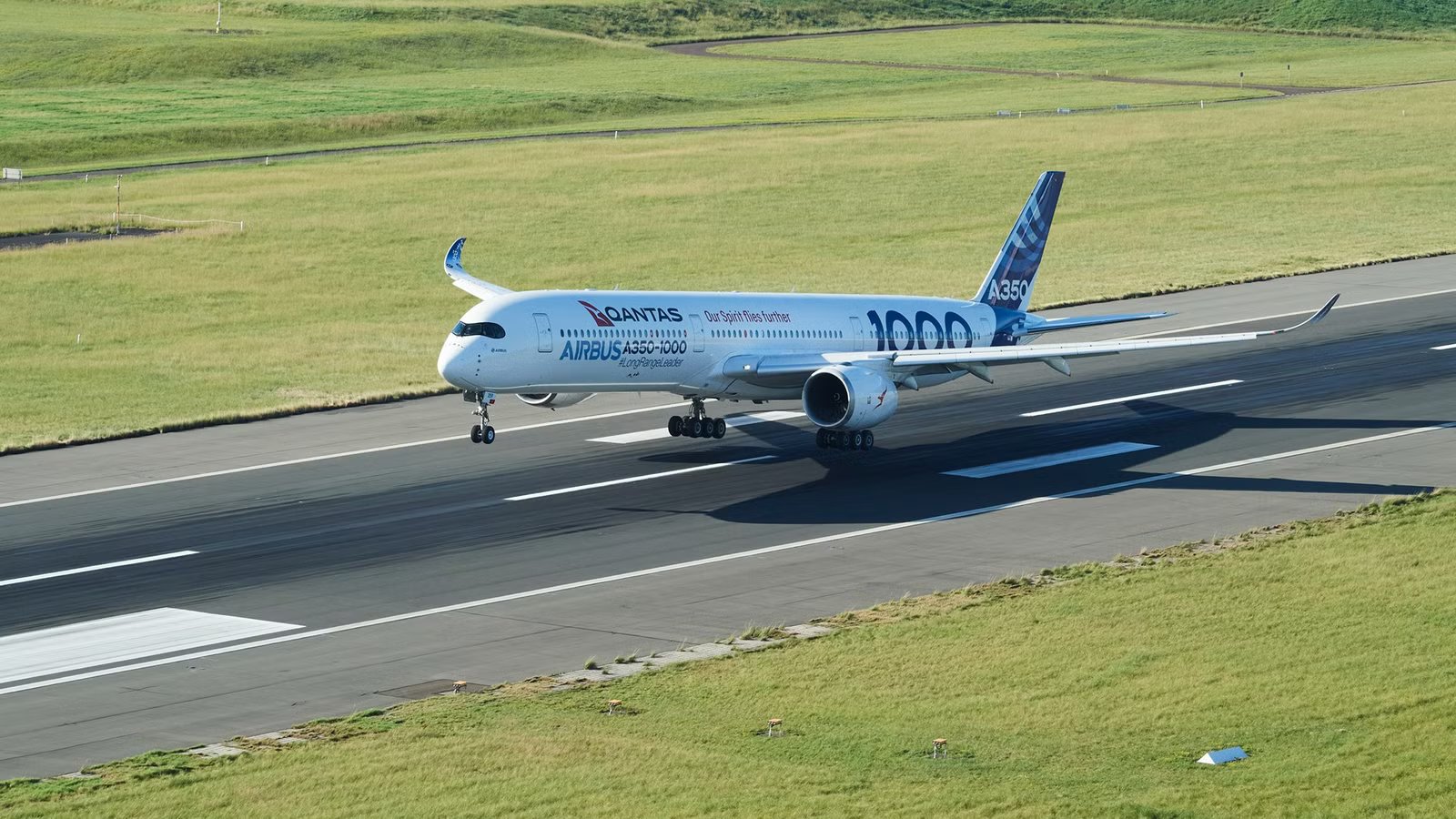
Airbus is currently placing its upcoming Airbus A350F as a replacement aircraft for the Boeing 747-400F. According to Airbus, the A350F can deliver a whopping 40% lower fuel burn, a saving even more meaningful in March than in February. But the aircraft is also expensive, and most dedicated freighters, like FedEx and UPS, are more interested in sticking to and even upgrading to older and less efficient freighters like the Boeing 767-300F and Boeing 777F, which remain in production until the end of 2027. That said, increasing noise and emissions regulations, including curfews, are pushing airlines to purchase next-generation, efficient, but expensive A350F and upcoming 777-8F freighters.
Why The Boeing 747-400 Succeeds As A Freighter

As a rule, freighter aircraft tend to be older than passenger aircraft and the Boeing 747-400 is now almost exclusively operated as a freighter. Cargo airlines are much less concerned about the fuel cost of a flight, as they can more easily pass that expense onto customers. Instead, they are more impacted by the capital costs of the aircraft. It is much cheaper to purchase or lease an old 747-400 than a new fuel-efficient aircraft. Cargo airlines also operate in environments where demand may be cyclical, and so the aircraft may be parked for periods of time.
In these scenarios, lease payments are more important than fuel efficiency. Many of the 747-400s operating today are retired and converted passenger aircraft (P2F or passenger-to-freighters). This means the airframes are comparatively cheap, and conversion costs are not that expensive. Another benefit of the 747-400 is that its size allows it to handle peak demand surges.
The 747-400 also benefits from superior volume and its ability to carry outsized cargo. Its iconic hinged nose allows it to load very large or tall items that modern single-deck freighters just can’t. In this role, there is no replacement. If there is a need, but no replacement, then operators are forced to hold onto existing platforms, regardless of expense. The discussion about purchasing a more fuel-efficient alternative is only relevant when there is an alternative.

The Longest Nonstop Boeing 747-8 Routes In 2026
The 747-8 still maintains a massive global footprint.
Too Expensive For Passenger Flights

When it comes to commercial passenger flights, the equation flips on its head. Commercial airlines are much more concerned about the cost of fuel and reducing the operating costs per seat mile. This drives the commercial passenger industry to divest of less fuel-efficient aircraft in favor of more efficient aircraft. Lufthansa is the last major user of the Boeing 747-400 for scheduled passenger flights, and it plans to retire them after next year’s summer season.
Korean Air continues to operate reduced numbers of passenger 747-8s, although it retired its passenger 747-400s in 2020. The passenger 747-400 disappeared from scheduled US airline operators in 2017 as both Delta Air Lines and United Airlines retired them, while British Airways retired them during the COVID pandemic.
Besides Lufthansa, Air China is another rare operator of the 747-400 as a scheduled passenger aircraft, with reportedly just two remaining in service. These are also expected to retire soon. As of the time of writing, only Lufthansa, Air China, and Rossiya Airlines are operating 747-400s as scheduled passenger airliners.
When Boeing 747-400’s Passenger Costs Are Overridden

As stated above, more fuel-efficient options are only an option if they are available as a feasible alternative. Sanctions are one example where airlines lose their access to alternative options, forcing them to keep older aircraft in service, regardless of how fuel-inefficient they are. Iran is a great example. Sanctions force Iran to operate many of the world’s oldest aircraft, as it can’t purchase new aircraft. At least until the air campaigns of 2026, Iran was a goldmine of otherwise retired aircraft.
The 2022 sanctions on Russia created a similar dynamic. Russia is now unable to purchase new foreign commercial aircraft, and it is unable to produce domestic airliners, at least in the short term, although it’s working on this. Making matters worse, it has been forced to ground many of its most modern aircraft, like A320neos/A321neos, due to serviceability. This has forced Rossiya Airlines to bring at least three previously-retired 747-400s back into service, with the aim of restoring four. They are used for domestic routes.
For Russia and Iran, the fuel cost of these aircraft is subordinate to having enough aircraft capacity in the first place. Another example where passenger 747-400s persist is Atlas Air, which has a fleet of five passenger-configured charter 747-400s. As these are charter flights, a similar dynamic as with freighter aircraft factors in. Atlas Air can pass on the greater fuel cost, but wants to keep down the capital expenses when they are not being used.