dailynewsnblog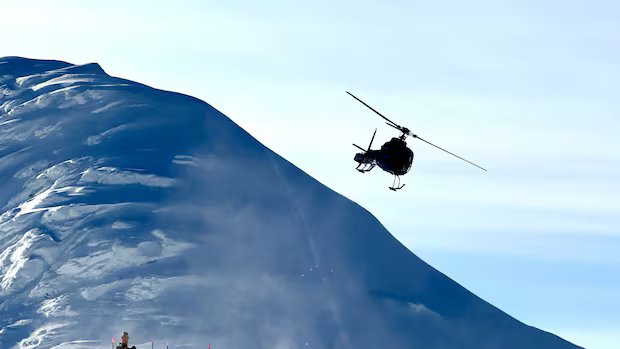

Listen to this article
Estimated 4 minutes
The audio version of this article is generated by AI-based technology. Mispronunciations can occur. We are working with our partners to continually review and improve the results.
The three heli-skiiers who were killed in an avalanche north of Terrace, B.C., over the weekend were Swiss nationals, according to the Swiss Consulate General in Vancouver.
A group of four people were on Mount Knauss, about 30 kilometres north of Terrace when an avalanche was triggered on the mountain’s Iridium Shoulder ski run just before 1:30 p.m. PT on Sunday.
Terrace RCMP say three were killed while a fourth was airlifted to hospital in Vancouver.
The consulate did not provide any additional information about the skiiers.
In a statement, Michael Brackenhofer of White Wilderness Heliskiing (WWH) confirmed the trio were on a tour with the company, which identifies itself as being Swiss-owned while offering small group tours in the Terrace area.
Brackenhofer said the group’s guide was also caught in the avalanche and is in stable condition and undergoing surgery in Vancouver.
“The WWH team sends its heartfelt condolences to the families and friends of the three guests who lost their lives in this incident,” the statement says. “Our deepest sympathies are with the families of the victims.”
The statement also says operations are being suspended until further notice as investigations from RCMP and the B.C. Coroners Service are underway.
WorkSafeBC has also launched an investigation into the avalanche due to the involvement of a worker.
WorkSafeBC says it has been notified of the Mount Knauss avalanche as a “serious workplace incident,” and investigators will be looking into the cause of the deaths and whether anything can be done to prevent similar cases in the future.
Fourth dead in avalanche near Alaska
Earlier Monday, police in Atlin, B.C., also reported a fatality from an avalanche near Pleasant Camp and the Klehini River, near the B.C.-Alaska border.
According to Avalanche Canada, a group of five were ski touring in an area 4.5 kilometres northwest of Mount McDonell.
The avalanche was triggered by the fourth skier in the group as they descended the slope. One skier was fully buried, 1.5 metres deep, and did not survive, the forecaster said.
Another skier was partially buried and sustained minor injuries.
Including the most recent fatalities, nine people have died in avalanches in B.C. since December 2025.
That includes a 23-year-old snowmobiler killed near Kootenay Pass on Feb. 28 and a professional snowboarder who died near Joffre Lakes Park just days earlier.
Atmospheric river raises risk
Avalanche Canada said the avalanche risk is considerable in the alpine sections of northwest B.C. mountains.
“The areas we are most concerned about right now are areas where a very thick crust did not form after the recent atmospheric river event,” said Tyson Rettie, a forecaster with Avalanche Canada.

Nine people have been killed in avalanches in B.C. since December. Tyson Rettie, a forecaster with Avalanche Canada, told BC Today host Michelle Eliot that planning ahead and checking conditions before leaving are important. He also listed the warning signs of avalanche activity.
In the northwest corner, the first blast of the atmospheric river that hit the area was much colder than the rest of the province, and it saw mainly snow, said Rettie. Active weather is also driving avalanche danger around the province, he added.
“So we don’t have a significant crust in the northwest,” he explained.
That crust, he said, can safeguard against avalanches as it generally prevents people from triggering deeper layers in the snowpack.
Worksafe issues safety notice
In addition to its investigation, WorkSafeBC has also issued a bulletin urging employers to ensure their employees’ safety when working in avalanche terrain, noting that they are responsible for ensuring their workers are not exposed to hazards under the board’s occupational health and safety regulation.
The agency says the board has accepted 23 avalanche-related injury claims between 2014 and 2024, including one case involving a fatality and 11 serious injuries.
It says employers must also “ensure conditions are continuously monitored, workers are properly trained, supervised, and informed, and that work is postponed or stopped when conditions are unsafe.”