dailynewsnblog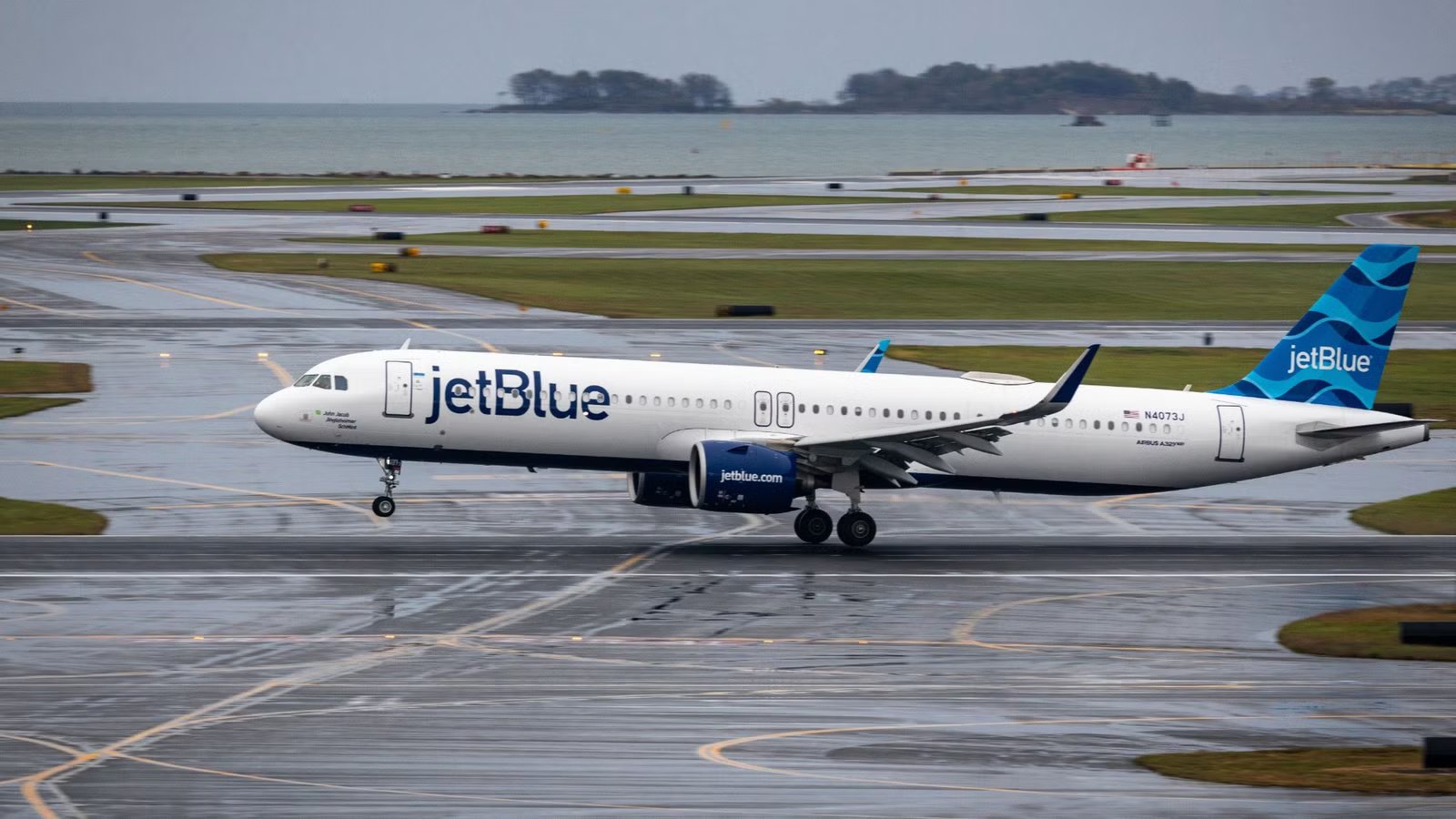
Not quite one year after JetBlue flight 1908 touched down at  New York JFK Airport (JFK), one passenger is pursuing medical damages against the airline. The traveler claims that she was injured by dry ice, which flight attendants presented as an ice pack.
The court filing claims that JetBlue is liable for the injuries sustained under Article 17 of the Montreal Convention as an accidental incident. The exact circumstances surrounding the case are the focal point in deciding if it was really an accident or negligence on the part of the crew or the flyer.
JetBlue 1908: A Rough Ride From Paris

Patricia Matzenbacher boarded in Paris, and on the way to JFK, she requested ice to ease some swelling on her leg, which the cabin crew provided. She claims the accident was due to the crew providing dry ice under the incorrect belief that it was a standard ice pack . The case filed by Matzenbacher’s attorneys also states that it was the negligent action and omission of information by the FAs that led to her injury.
Here lies the question of how the case will be considered by the courts should it reach that stage. As A View From The Wing touches on, should the courts determine that JetBlue’s negligence caused the injury, there is no limit to the compensation that can be awarded to Matzenbacher in damages. However, if it is determined that JetBlue was not at fault, then there is a cap on injury payments as laid out by Article 21.
The civil action filed by Godosky & Gentile on behalf of Matzenbacher was accepted by the Eastern District of New York’s courts. It firmly places the fault on the airline, saying:
“That defendants were negligent, careless, and reckless in the ownership, operation, management, supervision, maintenance, and control of the aforesaid JetBlue Flight No. 1908.”
The Montreal Convention: Article 21’s Limit

Article 21 caps the amount recoverable from a carrier unless willful misconduct can be proven. Article 21 sets a two-tier compensation system, implementing a strict liability limit for no-fault accidents, and defining fault-based claims exceeding the compensation limit of no-fault cases. The limit is referred to as Special Drawing Rights, and at the upper threshold, the maximum award is currently worth around US $215,802, according to Paddle Your Own Kanoo.
Article 17 sets the conditions for carrier liability. It states that an air carrier is liable for damages in the event of a passenger’s death or bodily injury. The claimant must only prove that an accident occurred during the specified timeframe. For claims under the Tier 1 limit of Article 21, the airline is automatically responsible. For claims exceeding that, the airline can only avoid paying the excess amount by proving it took all necessary measures to avoid the incident.

JetBlue Facing Lawsuit From Pilots’ Union Over Blue Sky Partnership With United Airlines
Discontent is growing in the flight deck.
The Investigation Begins: Finding The Guilty Party

For the purposes of the Montreal Convention terms, determining who is at fault will eventually be pinpointed through the process, which initially presumes the airline is responsible but can shift the burden upon discovery of evidence. That discovery phase will begin now that the courts have accepted the case and allow both sides to begin gathering evidence to support their claims.
The case was filed one year after the incident, which is right in the middle of the two-year period in which it is still acceptable to submit a claim after the injury occurred. JetBlue will most likely attempt to defend itself using Article 20, which pushes blame onto the traveler for personal negligence that contributed to the incident. Whether or not that will be successful can only be determined after the full accounting of facts is reviewed.
The defense can now demand airline internal records, including maintenance logs, flight attendant reports, and even security footage. Similarly, the airline can demand medical evidence from the passenger as well as request that another examination be conducted by a different doctor. The finding yet to come will reveal the root cause of this flyer’s unfortunate flying experience.