dailynewsnblog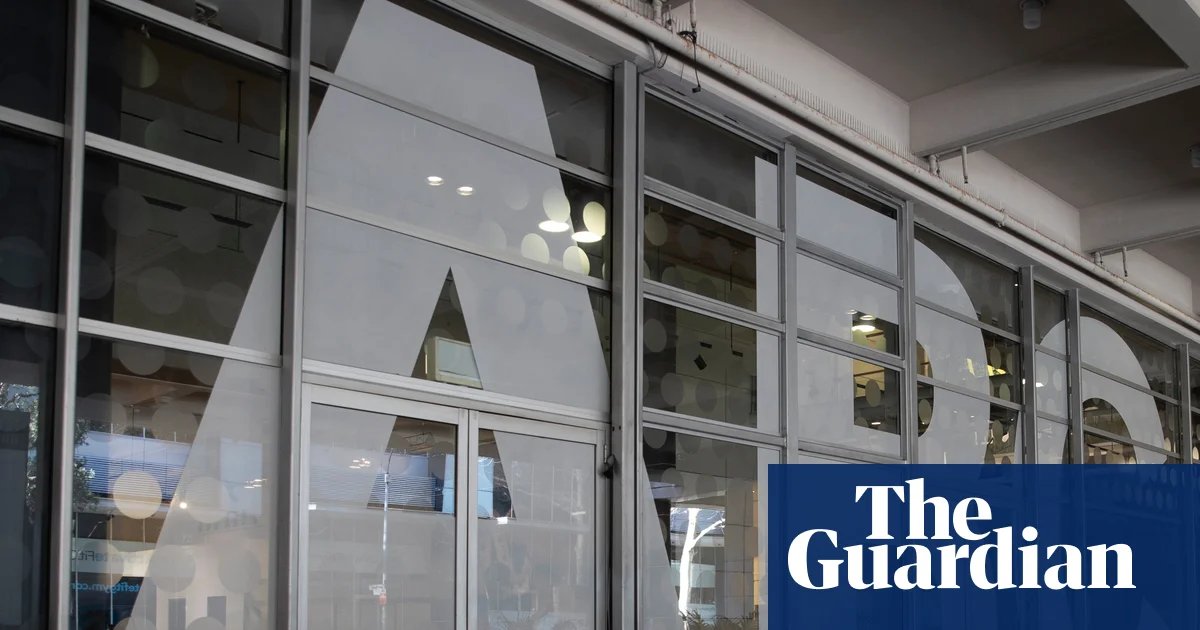
More than 75% of ABC staff will walk off the job on Wednesday for the first time in 20 years, triggering a severe disruption to the public broadcaster’s news services for 24 hours.
Without producers, camera operators and directors it is almost impossible to put shows including the prime-time current affairs flagship 7.30 to air.
The protected industrial action involves staff in the journalists’ Media, Entertainment and Arts Alliance (MEAA) and the non-journalists’ Community and Public Sector Union (CPSU).
Both unions have urged staff to reject the draft agreement of a 10% total pay rise over three years – 3.5% in the first year and 3.25% in the second and third years.
Unions argued the offer was too low and failed to address concerns about the staff appraisal process, career progression, night shift penalty rates, and reproductive health leave.
Sixty per cent of ABC staff – both journalists and non-journalists – voted no on Sunday to the revised enterprise agreement, which included a sweetener of a one‑off $1,000 payment that excluded casual staff.
The ballot involved 75% of the total workforce.
Staff will walk off the job for 24 hours from 11am on Wednesday.
Sign up to get Guardian Australia’s weekly media diary as a free newsletter
The ABC’s combined national audience reach across television, radio and online was estimated to be 65% of Australia’s population in 2023, according to the 2022-23 annual report, meaning widespread disruption was expected.
The last time ABC staff went on strike was in 2006, when industrial action caused major interruption to TV and radio services.
The then director of radio, Sue Howard, read the local traffic and weather reports and Radio National and NewsRadio carried BBC programming.
The MEAA said exemptions were in place to ensure emergency broadcasting continued, as ex-Tropical Cyclone Narelle continued its path around the north-west of the country.
Journalist Paige Cockburn, who has worked for the ABC for 10 years, posted to Instagram that she was proud to work for the broadcaster but was presently only employed until the end of June.
“I’m on a temporary contract which I had to take in order to progress my career at the ABC. Pretty backwards right? I won’t get started on the pay,” she wrote.
“Management have played very dirty in negotiations and don’t think we deserve pay that’s in line with inflation (despite giving themselves massive bonuses). They won’t even make an assurance that AI won’t take over our jobs.
“We say enough is enough.”
Allow Instagram content?
This article includes content provided by Instagram. We ask for your permission before anything is loaded, as they may be using cookies and other technologies. To view this content, click ‘Allow and continue’.
The secretary of the ABC section of the CPSU, Jocelyn Gammie, said staff don’t take strike action lightly but were very frustrated.
“ABC staff work hard to provide high quality services for the Australian community,” Gammie said. “They deserve to be treated with respect and that means a decent pay offer and fair agreement.
“The last thing union members want to do is inconvenience loyal ABC audiences by disrupting programming and services, but key bargaining claims remain unresolved. Unless the ABC put a fair offer on the table, disruptions are inevitable.”
The MEAA chief executive, Erin Madeley, said members were standing up for “secure jobs, fair treatment and quality journalism”.
“ABC staff are taking this step because they want fair pay that keeps up with the cost of living, genuine job security, and working conditions that allow them to continue serving the Australian public with integrity.”
Madeley said below‑inflation pay outcomes and ongoing insecure work threatened the future of public‑interest journalism.
In January, Australia’s annual inflation rate was 3.8% – higher than the proposed pay increases in each of the years of the rejected offer.
“This isn’t just a workforce issue,” she said. “When skilled, experienced staff are forced out, communities lose trusted local voices, particularly in regional Australia where the ABC is often the only local newsroom.”
In 2023 a strike was narrowly avoided after intervention from the then managing director, David Anderson, who came in with an improved offer. His successor, Hugh Marks, will be hoping to achieve the same result.
The ABC has been contacted for comment.