dailynewsnblog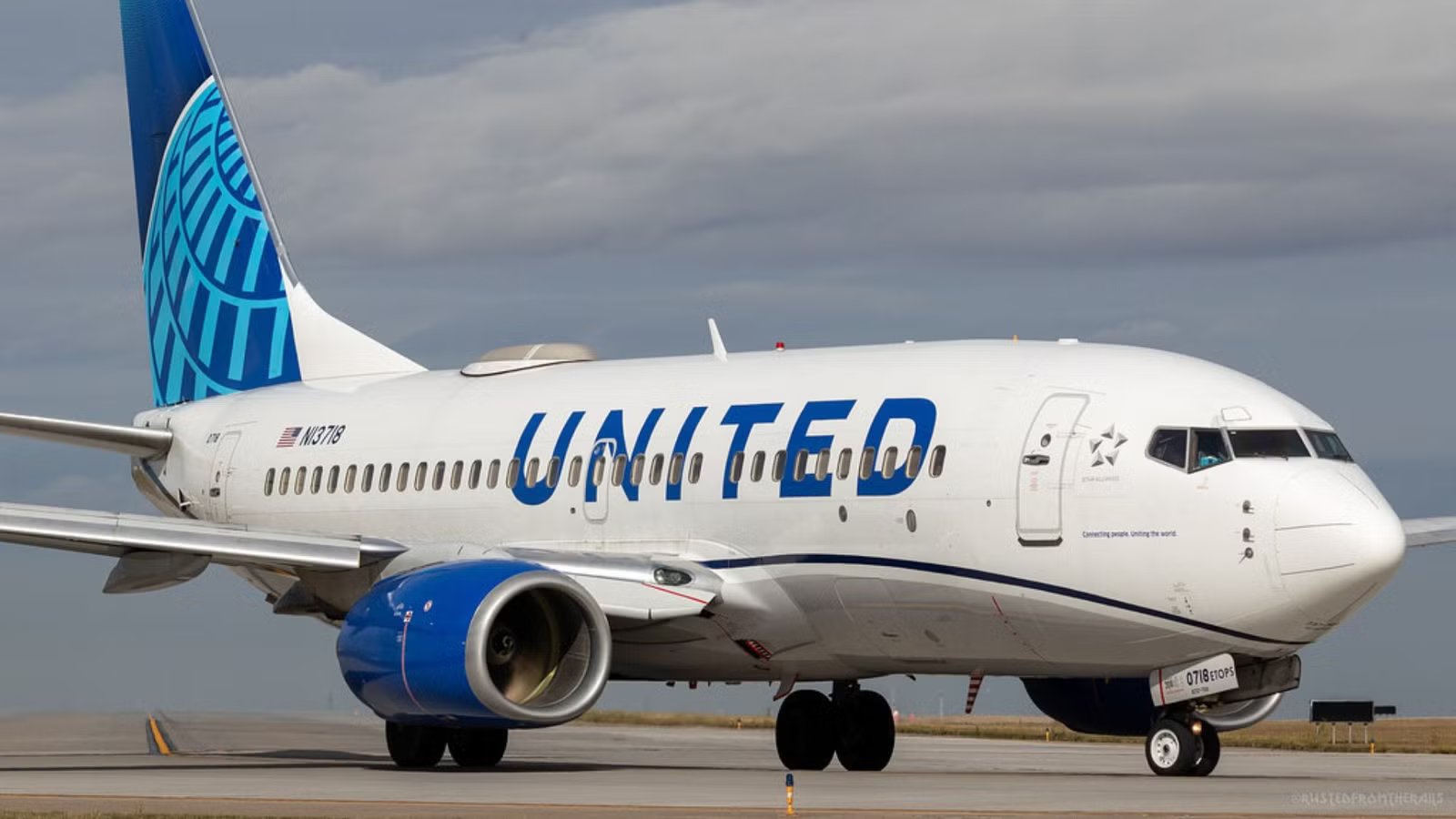
A reported mistake by a  United Airlines flight at
  Chicago O’Hare International Airport (ORD) nearly led to a serious incident and caused damage to runway lighting, according to air traffic control audio circulated online. The event reportedly occurred during ground operations, when the aircraft is believed to have lined up with the runway edge lights instead of the centerline, resulting in several lights being struck and damaged. The situation unfolded on March 19 at 21:20 local time and has since drawn attention across aviation circles after being highlighted by aviation-focused media, with quick intervention by controllers preventing what could have escalated into a runway incursion or collision.
The incident underscores the critical role of clear and reliable airport lighting in ensuring safe operations, particularly at high-traffic hubs like O’Hare. As one of the busiest airports globally, it handles thousands of aircraft movements daily, meaning even minor visual misalignment or infrastructure issues can carry significant risk. The flight involved was a routine commercial service operated by a narrowbody jet within United’s domestic network, and the emergence of audio recordings has provided rare insight into how close the situation came to becoming more serious.
ATC Audio Shows How The Reported Incident Unfolded

Air traffic control audio suggests that the aircraft, United Airlines flight 1394 to San Antonio International Airport (SAT) was initially told to line up and wait on runway 10L before being cleared to take off from that same runway. Shortly after commencing the takeoff roll, the United crew informed ATC they were rejecting the takeoff, before being offered assistance, which they subsequently declined. The aircraft exited the runway before departing normally, around 7 minutes later.
While the exact flight number has not been publicly confirmed, FlightAware data shows the aircraft as one of United’s Boeing 737-700 narrowbodies. Even minor ground navigation errors at such capacity levels can have serious implications for passenger safety. According to aviation safety data, runway incursions and excursions remain one of the most persistent risks in modern aviation. Historical incidents show that confusion on the ground can escalate rapidly if not corrected. In a 2023 investment announcement for airport lighting, the FAA said:
“Ensuring our pilots can safely navigate runways and taxiways with adequate and improved lighting systems is a top priority as we continue our focus on runway safety initiatives.”
Ground Navigation Errors Remain A Significant Risk

Runway incursions, excursions, and ground navigation errors have long been a focus for aviation regulators worldwide. According to safety data, such incidents are among the most common categories of airport-related risks, often linked to miscommunication or poor visual cues. Lighting systems are designed to strict international standards, using color-coded signals, white for runways, blue for taxiways, and red for stop bars, among other colors and types, to minimize confusion. When these systems fail, pilots may lose critical situational awareness, particularly at night or in low visibility.
O’Hare’s complexity further increases risk exposure. With multiple intersecting runways and high traffic density, the airport requires precise coordination between pilots and controllers. Past incidents globally, including fatal runway collisions, have demonstrated how small errors can lead to catastrophic outcomes. For example, runway collisions and incursions have historically resulted in significant loss of life, reinforcing the importance of redundant safety systems.
Advances such as surface movement radar and cockpit moving maps have helped reduce risk, but physical infrastructure like lighting remains essential. Any degradation in these systems increases reliance on human interpretation, which can introduce error.

United Airlines Pilots’ Runway Perception Differed Before Boeing 737 MAX 8 Runway Excursion
Updated NTSB report shows the runway excursion tied to differing pilot perceptions of runway conditions and braking decisions in Houston.
The Challenge Presented By Ground Operations

Aviation incidents highlight how ground-based risks continue to challenge even advanced safety systems. For example, unrelated events at O’Hare, such as wildlife strikes or taxiway collisions, demonstrate the variety of hazards aircraft can face during ground operations. One recent case involved a United Boeing 737 MAX striking a coyote during takeoff, forcing a return with 167 passengers onboard. These incidents emphasize that risks are not limited to airborne phases of flight.
Airports worldwide are investing heavily in modernization programs, including LED runway lighting and automated fault detection systems. These upgrades aim to identify failures in real time and alert maintenance teams before they affect operations. Additionally, pilot training increasingly incorporates degraded visual scenarios, preparing crews to handle situations where standard cues are unavailable.
Ultimately, this event serves as a reminder that aviation safety depends on multiple overlapping systems functioning correctly. Even a relatively small infrastructure issue or genuine mistake can introduce significant operational risk, particularly in high-density environments like Chicago O’Hare.