dailynewsnblog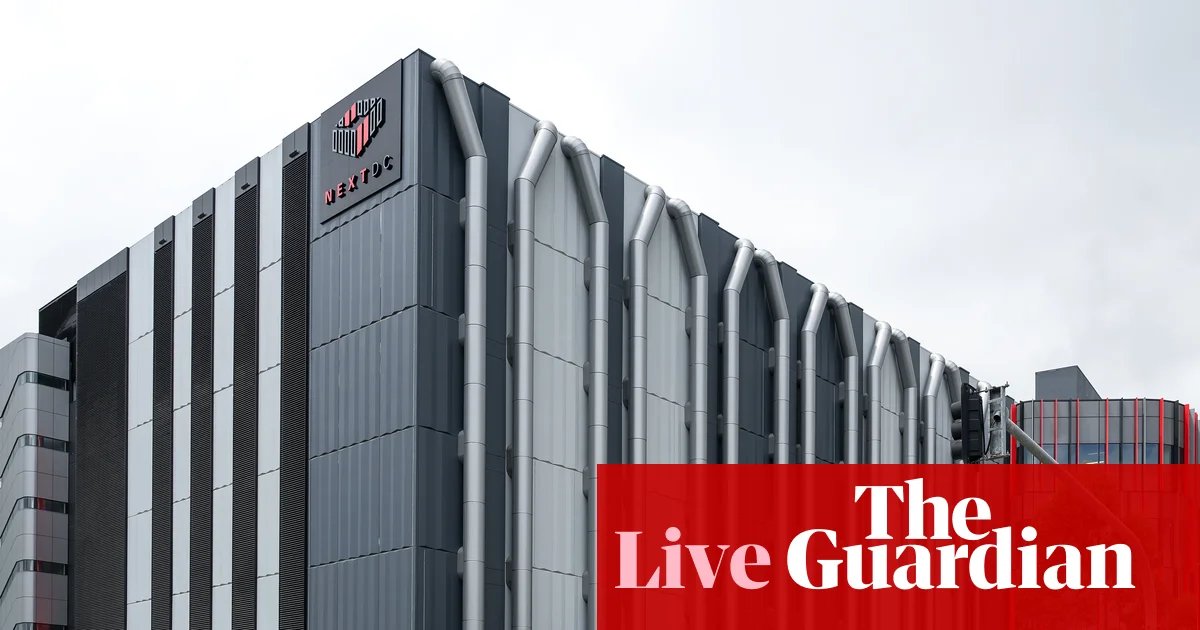
Good morning

Krishani Dhanji
Good morning, Krishani Dhanji with you as the politicians gather in Canberra for another sitting week.
There is plenty on the agenda for today, the government will be under more pressure on global oil supply as the situation escalates in the Middle East.
The Liberal party will continue deal with the fallout of the South Australian election over the weekend, and European Union president Ursula von der Leyen arrives in Sydney today, before addressing the federal parliament later this week. She’ll be the first female foreign leader to do so.
And the government is introducing new rules for datacentres and AI – which will push companies building new developments to add to the clean energy supply and minimise water footprints.
I’ve got my coffee, I hope you’ve got yours – let’s get stuck in!
Key events
Government announces new principles for data centres
The government is today announcing some ground rules for companies wanting to build data centres in Australia – including ensuring they add to clean energy supplies and minimise their water usage.
Australia has the second largest pipeline of data centre construction in the world – after the US. But data centres use huge amounts of power and water, and the government anticipates that by 2030, data centres will consume about 6% of grid supplied energy.
The new rules state that data centres will have to bring new clean energy, cover their full share of energy connection costs, lift efficiency, and support grid stability, and not increase energy costs for households and businesses.
Companies will also have to support Australian jobs and industry.
Tim Ayres is the minister in charge, and at the end of his ABC interview finally got asked about the announcement. He says the “principles” outline what the government expects from companies and investors to get data centres built in Australia.
It sends a message to the states and territories, we don’t want to see a race to the bottom on these standards, and it makes it very clear, if you’ve got a data centre investment for Australia, we want to see you underpin additional electricity through power purchasing agreements that mean you’re contributing to Australian resilience, not undermining it.
Should Australians work from home to save fuel?
James Glenday then asks Tim Ayres whether he thinks Australians should consider working from home to conserve fuel. Countries like Sri Lanka have moved to a four day working week and are encouraging public servants to WFH.
Ayres says the government won’t dictate that, and tries to remind everyone that the Coalition tried to “ban” working from home.
Australians will make their own decisions, and work from home is a viable option for many, many people, and they’ll make that call, we’re not going further than that.
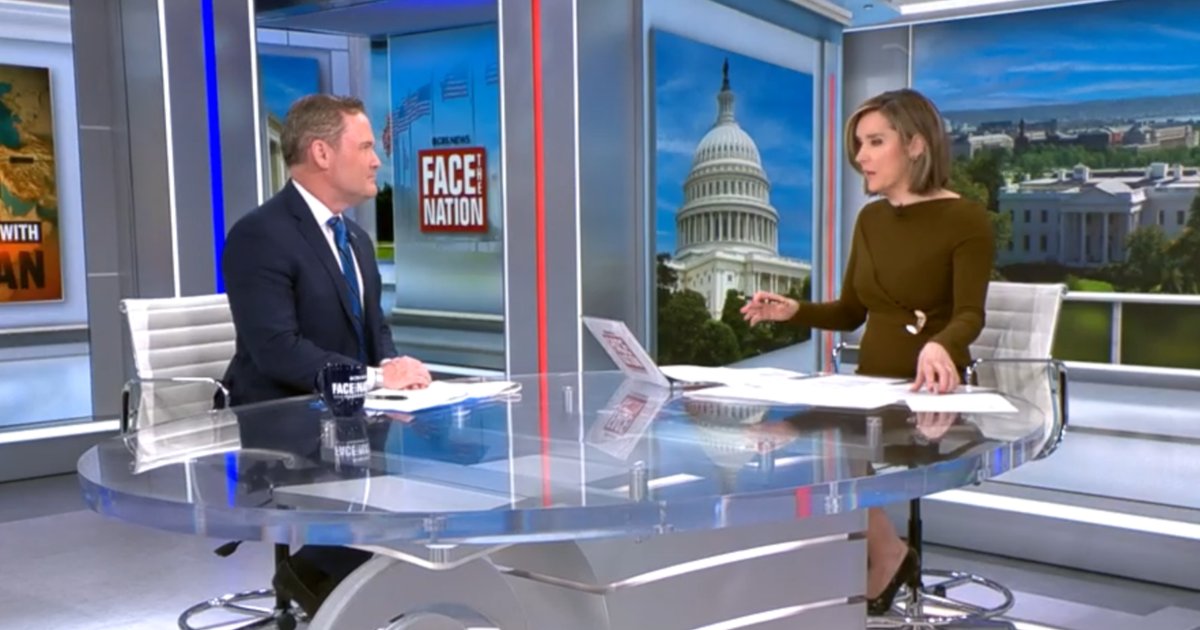
Industry minister Tim Ayres has done his best to avoid directly answering some sticky questions on ABC News Breakfast this morning, including whether Australia will try to leverage our coal and gas exports to secure fuel imports.
Joining the program a little earlier, Ayres said broadly the government is working with international partners to “maximise” fuel supplies, and ensure that fuel in Australia is going to regional areas where it needs to be.
Host, James Glenday, tries to push Ayres on whether we’re considering a quid pro quo approach, but Ayres won’t bite. He says:
We are an excellent partner on energy security for a range of our partners in the region in terms of refined fuel products and crude oil.
Glenday then asks Ayres if the government will charge a 25% export tax on gas companies if prices begin to soar (as reported last week).
Ayres dodges the question,
We have moved for the first time at the Commonwealth level to impose a reservation scheme so that Australian gas is there for Australian households and Australian business. The details of that reservation scheme will be decided in the normal way and a proper cabinet process … We’ll release those, those details when it’s been properly decided.
Lowy Institute paper warns of drone terror threat
Governments around the world are unprepared for the growing threat of drones being used to carry out terror attacks, a report warns.
Advances in drone technology, 3D printing and AI-assisted navigation should prompt leaders, including those in Australia, to rethink anti-extremism strategies, the paper from the Lowy Institute says.
The report points to a series of incidents in recent years as “warning signs” of what may be to come if governments don’t crack down.
They include a UK student arrested for using a 3D printer to build ‘kamikaze’ drones for Islamic State, seven people arrested in Queensland who had homemade guns and a drone-mounted improvised explosive device, and two separate US plots involving drone use.
“What was once the exclusive domain of state actors now rests within reach of nearly anyone with a credit card and data signal,” authors James Paterson (not the senator) and Lydia Khalil wrote.
The combination of easy accessibility and payload potential, and the limitations of domestic counter-drone systems, presents a growing challenge.
Drones have also been used to deadly effect in the Russia-Ukraine war and Middle East conflict, where they are loaded with explosives and flown at military personnel or sensitive sites.
The report warns a vast array of civilian and military sites could be targeted, including mass gatherings and major events.
It argues “difficult decisions” will be needed to choose which locations to defend and how to do so.
– AAP
Good morning
Krishani Dhanji
Good morning, Krishani Dhanji with you as the politicians gather in Canberra for another sitting week.
There is plenty on the agenda for today, the government will be under more pressure on global oil supply as the situation escalates in the Middle East.
The Liberal party will continue deal with the fallout of the South Australian election over the weekend, and European Union president Ursula von der Leyen arrives in Sydney today, before addressing the federal parliament later this week. She’ll be the first female foreign leader to do so.
And the government is introducing new rules for datacentres and AI – which will push companies building new developments to add to the clean energy supply and minimise water footprints.
I’ve got my coffee, I hope you’ve got yours – let’s get stuck in!