Trending News:Tech Entrepreneur Yanik Guillemette Publishes Strategic Analysis of Canada’s Regulatory Framework and Its Impact on InnovationAlmost half of Australians think foreign military will attack within five years, ANU study suggests | Australian militaryTopical Dancer is propulsive, playful, and politicalTroy Deeney’s team of the week: Garner, Welbeck and RiggNew report claims Crimson Desert’s development was plagued by “a hodgepodge of features crammed together” and leaders who “don’t acknowledge anyone who doesn’t share their exact mindset”U.S. and Iran threaten escalation, and Robert Mueller dies: Weekend RundownToronto residents urged to stay away from waterways amid heavy rainfall – TorontoSavannah Guthrie renews plea to Arizona community for clues in mother’s disappearanceAirlines Are Already Preparing for an Oil CrisisThe Most Superior Aircraft To Replace The Airbus A380 On High-Capacity RoutesHere’s What Happened in the War in the Middle East on SundayMusk says SpaceX and Tesla to build advanced chip factories in AustinDays before deportation, Ottawa pauses removal of refugee’s son, husbandMen’s March Madness live tracker: Updates from all of Sunday’s gamesSocialists’ Emmanuel Grégoire on track to win Paris mayoralty | France8Today’s NYT Strands Hints, Answer and Help for March 23 #750The best Nintendo Switch and Switch 2 accessories for Pokémon superfansKarol G Channels Old Hollywood in Silver Halter Gown in MiamiSlovenia’s Freedom Movement Party takes narrow election lead: Exit poll | Elections NewsIsrael Thought It Could Spur Rebellion Inside Iran. That Hasn’t Happened.Trump's changing course on Strait of Hormuz strategy raises questions about US war preparationMohsin Naqvi – PCB ‘will take action’ against players opting out of PSL for IPLMeteor spotted in skies over southeastern TexasHere’s Why Air Forces Are Expanding Their Stealth Fighter ProgramsArkansas police arrest Kendra Duggar on child abuse charges | ArkansasDo you want to build a robot snowman?US high school student Cooper Lutkenhaus wins 800m to become youngest ever indoor world champion | AthleticsThe IDF are the Nazis now. Funny how that works…One Of Resident Evil's Fundamental Joys Is Watching Beautiful Men Get HurtToronto police launch school zone parking enforcement program after March breakJason Clarke Joining Viola Davis in ‘Ally Clark’Record numbers of TSA officers called out Saturday as DHS shutdown continuesTexas man arrested after allegedly throwing bucket of possible human remains toward FBI field officeToday’s NYT Connections Hints, Answers for March 23 #1016Tennessee vs. Virginia prediction, odds, spread, time: 2026 NCAA Tournament picks from proven model35 Under-$250 COS Items for Spring That Fit My $2500 TasteHow the Iran war could derail the AI boomQuebec’s Bill 21 lands in the Supreme Court, with notwithstanding clause in spotlightTraders Brace for Turbulent Open as War Rages OnSenate advances Mullin nomination to lead DHS, paving way for confirmation | Trump administrationThe SEC drops its four-year-old investigation into EV startup Faraday FutureDomestic flights with new United Polaris Studio now on saleNorth York home damaged in overnight shootingMeteor spotted streaking above Texas responsible for sonic booms, NASA saysDaredevil Has a New ‘Blackout’ Suit in Born Again Season 2, and There’s a Very Specific Reason for ItTrump threats, U.S. troop build-up raise specter of battle for HormuzMiddle East conflict, estimates and hate crime changes on the agenda as House reopens for businessTraders Brace for Turbulent Open as War Rages OnPolitics live: new standards for datacentres being built in Australia; report warns of drone threat | Australian politicsMinnesota is going to the Sweet 16UK fines 4chan nearly $700,000 for failing its online safety act obligationsOfficials scramble to carry out Trump’s directive to have ICE agents conduct airport securityGermany’s Conservatives score election victory in socialist strongholdNHL reporter Jessi Pierce and her 3 children dead after fatal fire reported in her Minnesota townLatto Sits Courtside in Gladiator Heels After Pregnancy RevealFrance Chose Thousands of New Mayors on Sunday. Here’s Why It Matters.Seasoned Wisdom: A Nature Immersion for Postmenopausal Women – Energy Healing Victoria BCMexico’s Ebrard Says Preliminary Trade Talks With US EncouragingTumbler Ridge, B.C., and Taber, Alta. named top 2 Hockeyville finalistsToday’s NYT Wordle Hints, Answer and Help for March 23 #1738Picross S Konami Antiques Edition Features Castlevania, Contra, And MoreHow Much Does A Boeing 777X Engine Cost?World Athletics Indoor Championships 2026: Keely Hodgkinson wins 800m goldICE agents will be deployed to US airports on Monday to ease long lines | ICE (US Immigration and Customs Enforcement)Meteorite Crashes Through Roof of House Near HoustonAI was everywhere at gaming’s big developer conference — except the gamesIsraeli settlers violently storm through occupied West Bank | Occupied West BankThe Saudi Oil Pipeline the World Didn’t Know It NeededPublic servant 'scared' to retire due to problems with Phoenix pay systemMen’s March Madness Sunday takeaways: How every second-round game was decided“This progress will not be linear”: Mega Crit outline their patching process for Slay the Spire 2 after ruffling some feathersDanish PM Frederiksen seeking third term in general election this weekCursor admits its new coding model was built on top of Moonshot AI’s KimiICE officers will help TSA at airports, Trump administration saysBest Collagen Creams for Plump Skin, Per ExpertsMoma brand recalls porridge products over possible mice contamination | Product recallsTrump’s changing course on Strait of Hormuz strategy raises questions about US war preparationBest Ryan Gosling Movies of All Time Ranked400 people treated for heat-related illness at Arizona airshow as record temperatures bake the West‘People are tired:’ British Columbians on humanitarian mission describe life in CubaPSL 2026 to be played behind closed doors; Lahore and Karachi to host all gamesCrimson Desert developer apologizes and promises to replace AI-generated artJames Cleverly says he disagrees with Nick Timothy about Islamic public prayer | James CleverlyGeoff ‘Zag’ Keene, design director of Abiotic Factor, has 1,160 hours in PUBG and de-stresses using a Blizzard classic: ‘Instead of going to therapy, guys will literally boot up Warcraft 2’Iran war fallout set to filter into economic dataTrump and Iran Hurl War Threats With Hormuz Crisis BuildingLa Liga Soccer: Stream Real Madrid vs. Atlético Madrid Live From AnywhereAre we about to see a rock resurgence? Evidence is starting to mountTrump administration ready to deport Kilmar Abrego Garcia to Liberia, asks judge to lift blockIranian missile strikes injure 115 in Israel, officials say, puncturing air defenses and shocking the publicSyracuse finalizing deal with program legend Gerry McNamara as head coachHow Much Does A Boeing 787-9 Dreamliner Cost In 2026?Nike Air Force 1 Low ’07 LV8 Femme ‘Ridgerock’ Release Date IR5690-256Joe Kent says he wants Trump to hear MAGA opposition to Iran warUS housing market hasn’t been ‘normal’ since 2018: EconomistCrimson Desert dev apologizes for use of AI artBritish-Iranians in UK report safety concerns to authorities amid Iran war | UK newsThanks to EU consumer law, Nintendo is updating the Switch 2 design to enable European players to replace the batteryTrump may ‘have to escalate to de-escalate’ war in Iran, Bessent saysChappell Roan addresses security guard’s encounter with 11-year-old fan that left child ‘in tears’
Welcome to Daily News & Blog – your go-to source for the latest news, insightful blogs, and trending stories from around the world.
Who We Are
At Daily News & Blog, we are passionate about delivering accurate, timely, and engaging content across various categories, including world news, economy, technology, sports, gaming, travel, fashion, health, and more. Our goal is to keep you informed, inspired, and ahead of the trends.
What We Offer
✔ Breaking News & In-Depth Analysis – Stay updated with real-time updates and well-researched articles. ✔ Diverse Topics – Covering everything from global events to lifestyle, entertainment, and innovation. ✔ Engaging Blogs – Thought-provoking opinions and expert insights on trending subjects. ✔ Reliable Sources – We curate information from trusted news providers and industry experts.
Our Mission
We aim to be more than just another news website. Our mission is to create a platform where information meets authenticity, helping our readers navigate an ever-changing world with clarity and confidence.
Join Us
Follow us for daily updates and be part of a growing community that values knowledge and meaningful discussions.
📩 Have a story or feedback? Contact us at info@dailynewsnblog.com
Trending News:Tech Entrepreneur Yanik Guillemette Publishes Strategic Analysis of Canada’s Regulatory Framework and Its Impact on InnovationAlmost half of Australians think foreign military will attack within five years, ANU study suggests | Australian militaryTopical Dancer is propulsive, playful, and politicalTroy Deeney’s team of the week: Garner, Welbeck and RiggNew report claims Crimson Desert’s development was plagued by “a hodgepodge of features crammed together” and leaders who “don’t acknowledge anyone who doesn’t share their exact mindset”U.S. and Iran threaten escalation, and Robert Mueller dies: Weekend RundownToronto residents urged to stay away from waterways amid heavy rainfall – TorontoSavannah Guthrie renews plea to Arizona community for clues in mother’s disappearanceAirlines Are Already Preparing for an Oil CrisisThe Most Superior Aircraft To Replace The Airbus A380 On High-Capacity RoutesHere’s What Happened in the War in the Middle East on SundayMusk says SpaceX and Tesla to build advanced chip factories in AustinDays before deportation, Ottawa pauses removal of refugee’s son, husbandMen’s March Madness live tracker: Updates from all of Sunday’s gamesSocialists’ Emmanuel Grégoire on track to win Paris mayoralty | France8Today’s NYT Strands Hints, Answer and Help for March 23 #750The best Nintendo Switch and Switch 2 accessories for Pokémon superfansKarol G Channels Old Hollywood in Silver Halter Gown in MiamiSlovenia’s Freedom Movement Party takes narrow election lead: Exit poll | Elections NewsIsrael Thought It Could Spur Rebellion Inside Iran. That Hasn’t Happened.Trump's changing course on Strait of Hormuz strategy raises questions about US war preparationMohsin Naqvi – PCB ‘will take action’ against players opting out of PSL for IPLMeteor spotted in skies over southeastern TexasHere’s Why Air Forces Are Expanding Their Stealth Fighter ProgramsArkansas police arrest Kendra Duggar on child abuse charges | ArkansasDo you want to build a robot snowman?US high school student Cooper Lutkenhaus wins 800m to become youngest ever indoor world champion | AthleticsThe IDF are the Nazis now. Funny how that works…One Of Resident Evil's Fundamental Joys Is Watching Beautiful Men Get HurtToronto police launch school zone parking enforcement program after March breakJason Clarke Joining Viola Davis in ‘Ally Clark’Record numbers of TSA officers called out Saturday as DHS shutdown continuesTexas man arrested after allegedly throwing bucket of possible human remains toward FBI field officeToday’s NYT Connections Hints, Answers for March 23 #1016Tennessee vs. Virginia prediction, odds, spread, time: 2026 NCAA Tournament picks from proven model35 Under-$250 COS Items for Spring That Fit My $2500 TasteHow the Iran war could derail the AI boomQuebec’s Bill 21 lands in the Supreme Court, with notwithstanding clause in spotlightTraders Brace for Turbulent Open as War Rages OnSenate advances Mullin nomination to lead DHS, paving way for confirmation | Trump administrationThe SEC drops its four-year-old investigation into EV startup Faraday FutureDomestic flights with new United Polaris Studio now on saleNorth York home damaged in overnight shootingMeteor spotted streaking above Texas responsible for sonic booms, NASA saysDaredevil Has a New ‘Blackout’ Suit in Born Again Season 2, and There’s a Very Specific Reason for ItTrump threats, U.S. troop build-up raise specter of battle for HormuzMiddle East conflict, estimates and hate crime changes on the agenda as House reopens for businessTraders Brace for Turbulent Open as War Rages OnPolitics live: new standards for datacentres being built in Australia; report warns of drone threat | Australian politicsMinnesota is going to the Sweet 16UK fines 4chan nearly $700,000 for failing its online safety act obligationsOfficials scramble to carry out Trump’s directive to have ICE agents conduct airport securityGermany’s Conservatives score election victory in socialist strongholdNHL reporter Jessi Pierce and her 3 children dead after fatal fire reported in her Minnesota townLatto Sits Courtside in Gladiator Heels After Pregnancy RevealFrance Chose Thousands of New Mayors on Sunday. Here’s Why It Matters.Seasoned Wisdom: A Nature Immersion for Postmenopausal Women – Energy Healing Victoria BCMexico’s Ebrard Says Preliminary Trade Talks With US EncouragingTumbler Ridge, B.C., and Taber, Alta. named top 2 Hockeyville finalistsToday’s NYT Wordle Hints, Answer and Help for March 23 #1738Picross S Konami Antiques Edition Features Castlevania, Contra, And MoreHow Much Does A Boeing 777X Engine Cost?World Athletics Indoor Championships 2026: Keely Hodgkinson wins 800m goldICE agents will be deployed to US airports on Monday to ease long lines | ICE (US Immigration and Customs Enforcement)Meteorite Crashes Through Roof of House Near HoustonAI was everywhere at gaming’s big developer conference — except the gamesIsraeli settlers violently storm through occupied West Bank | Occupied West BankThe Saudi Oil Pipeline the World Didn’t Know It NeededPublic servant 'scared' to retire due to problems with Phoenix pay systemMen’s March Madness Sunday takeaways: How every second-round game was decided“This progress will not be linear”: Mega Crit outline their patching process for Slay the Spire 2 after ruffling some feathersDanish PM Frederiksen seeking third term in general election this weekCursor admits its new coding model was built on top of Moonshot AI’s KimiICE officers will help TSA at airports, Trump administration saysBest Collagen Creams for Plump Skin, Per ExpertsMoma brand recalls porridge products over possible mice contamination | Product recallsTrump’s changing course on Strait of Hormuz strategy raises questions about US war preparationBest Ryan Gosling Movies of All Time Ranked400 people treated for heat-related illness at Arizona airshow as record temperatures bake the West‘People are tired:’ British Columbians on humanitarian mission describe life in CubaPSL 2026 to be played behind closed doors; Lahore and Karachi to host all gamesCrimson Desert developer apologizes and promises to replace AI-generated artJames Cleverly says he disagrees with Nick Timothy about Islamic public prayer | James CleverlyGeoff ‘Zag’ Keene, design director of Abiotic Factor, has 1,160 hours in PUBG and de-stresses using a Blizzard classic: ‘Instead of going to therapy, guys will literally boot up Warcraft 2’Iran war fallout set to filter into economic dataTrump and Iran Hurl War Threats With Hormuz Crisis BuildingLa Liga Soccer: Stream Real Madrid vs. Atlético Madrid Live From AnywhereAre we about to see a rock resurgence? Evidence is starting to mountTrump administration ready to deport Kilmar Abrego Garcia to Liberia, asks judge to lift blockIranian missile strikes injure 115 in Israel, officials say, puncturing air defenses and shocking the publicSyracuse finalizing deal with program legend Gerry McNamara as head coachHow Much Does A Boeing 787-9 Dreamliner Cost In 2026?Nike Air Force 1 Low ’07 LV8 Femme ‘Ridgerock’ Release Date IR5690-256Joe Kent says he wants Trump to hear MAGA opposition to Iran warUS housing market hasn’t been ‘normal’ since 2018: EconomistCrimson Desert dev apologizes for use of AI artBritish-Iranians in UK report safety concerns to authorities amid Iran war | UK newsThanks to EU consumer law, Nintendo is updating the Switch 2 design to enable European players to replace the batteryTrump may ‘have to escalate to de-escalate’ war in Iran, Bessent saysChappell Roan addresses security guard’s encounter with 11-year-old fan that left child ‘in tears’
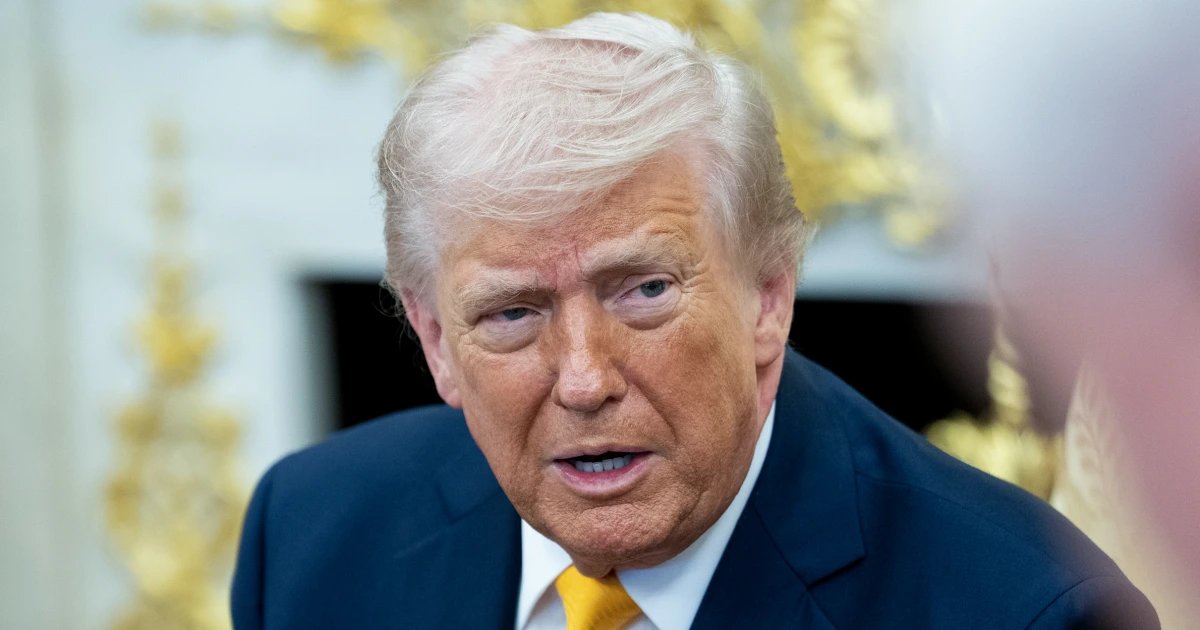
(Bloomberg) — US President Donald Trump gave Iran a two-day deadline to reopen the Strait of Hormuz or have its power plants bombed, upping the ante in a war that’s showing no sign of de-escalation into its fourth week.
Most Read from Bloomberg
Trump, under pressure to bring down soaring oil prices, said Iran must “fully open, without threat,” the vital waterway for energy flows. He gave the Islamic Republic 48 hours “from this exact point in time,” in a Truth Social post sent at 7:44 p.m. New York time on Saturday.
Iran countered that — if its power facilities do come under attack — it would close the Strait of Hormuz “completely,” state TV reported on Sunday, citing a statement from army command. The passage has been effectively shut since the US and Israel began attacking Iran on Feb. 28, though vessels from certain countries have managed to get through.
The Iranian military will target “all energy, information technology, and desalination infrastructure belonging to the US and the Israeli regime in the region,” the semi-official Tasnim news agency said. Mohammad-Bagher Ghalibaf, the speaker of Iran’s parliament, added in a social media post that the headquarters and assets of financial entities that buy US Treasury bonds are “legitimate targets.”
The rhetoric suggests neither side is willing to back down, with the war having already triggered an unprecedented oil and gas supply crisis.The latest threats follow a week of heavy hits on crucial energy infrastructure in the Middle East, deepening the prospect of the fighting having a long-term impact on the global economy.
The latest threats left even some in Trump’s Republican Party uneasy over a possible escalation.
“When Israel bombed a non military target, bombed an energy target, the president was not filtered in saying how displeased he was,” Republican Senator Lisa Murkowski of Alaska said Sunday. “Now we would be the ones that would supposedly be moving to this. I certainly hope not, because I think it, it escalates the conflict to another level.”
She added, “When you move to that next level where you have troops on the ground, we’re talking a different level of conflict than when the administration had briefed us.”
US Treasury Secretary Scott Bessent said ongoing attacks on Iran are aimed at destroying its fortifications along the Strait of Hormuz. Trump will “take whatever steps it takes” to achieve goals including destroying Iran’s air force and navy, denying it the ability to have nuclear weapons and “their ability to project power internationally,” Bessent said Sunday on NBC’s
Oil and gas flows are likely to take time to return to normal levels even after the Strait of Hormuz reopens, with many production sites damaged. The blockages are also causing shortages of fertilizer and crop nutrients, raising the prospect of critical disruptions to food output.
The US and Israel continued to target sites in Iran on Sunday, including around the capital, Tehran. The Islamic Republic is firing missiles and drones at Israel and Arab Gulf nations.
Israeli Prime Minister Benjamin Netanyahu reiterated his country’s military objectives, telling reporters the aims are to “break completely their nuclear program, break completely their missile program.” He added that Israel has “a goal of creating conditions” for Iranians to overthrow their leaders.
David Amsalem, a minister in Netanyahu’s security cabinet, said it’s unclear whether Trump will follow through on his latest ultimatum. “Look, ultimately, Trump doesn’t tell us — or certainly not me — what he’s about to do,” Amsalem told Galey Israel radio. “He’s the one setting the tempo here.”
The Iranian regime isn’t close to falling and officials are coalescing around the remaining leaders, according to Western intelligence assessments and people familiar with the matter.
WATCH: Dustin Meyer of the American Petroleum Institute joins Bloomberg This Weekend to discuss the impact the Iranian war will have on oil prices.Source: Bloomberg
More than 4,000 people have been killed in the war throughout the region, according to governments and non-government agencies, with more than three quarters of the fatalities in Iran. In Lebanon, where Israel has stepped up an offensive against Iran-backed Hezbollah militants, the toll is over 1,000. Dozens of people have been killed in Israel and Arab states.
Lebanese President Joseph Aoun on Sunday warned that Israel’s targeting of infrastructure and vital facilities in southern Lebanon could be “a prelude to a ground invasion.”
Iran’s missile strikes against Israel have picked up in recent days. On Saturday, about 115 people were injured in the southern cities of Arad and Dimona, which lends its name to a nearby nuclear research facility. Iranian media said it was a retaliation against an attack on its Natanz nuclear facility.
Speaking on Sunday, Netanyahu called on the leaders of other countries to join the war. “I’m happy to say that I can see some of them beginning to move in that direction,” he said.
Trump’s latest warning to Iran came a day after he said he was thinking about “winding down” military operations and that the responsibility for policing Hormuz would fall to other countries. That typified the mixed signals that have come from the president throughout the war, leaving governments and markets scrambling to keep up.
Traffic through Hormuz, through which one fifth of the world’s oil and liquefied natural gas supplies normally flow, has effectively ground to a halt since the war started. Brent crude has surged to over $112 a barrel, its highest level in almost four years. Prices of US gasoline, fertilizers and many metals that are shipped through Hormuz have also jumped.
Some countries, however, are finding ways to get cargoes through the corridor. The Iranian Navy has guided an Indian LPG tanker through the strait following diplomatic engagement by New Delhi. Iran has said the chokepoint is open to all but enemy-linked ships.
Until now, the US and Israel have largely avoided targeting Iran’s power and water plants. Israel did strike fuel depots in Tehran two weeks ago, causing acid rain clouds and drawing veiled criticism from the US, which felt it was a strategic error that could turn Iranian civilians against the offensive.
Iran has around 100 operational natural gas power plants, according to data compiled by Bloomberg. Among the largest are the Damavand plant near Tehran, the Ramin facility north of Ahvaz in the west, and the Kerman facility in Chatroud in the southeast.
The Middle East’s energy assets have increasingly come into focus as attacks widen. Israel struck the South Pars gas field last Wednesday, and Iran retaliated with its own volleys on the world’s largest LNG facility, in Qatar, alongside other Gulf energy assets.
Oil prices in London have jumped more than 50% since the war started, sparking concerns over global inflationThe price spikes — particularly gasoline — pose political risks for Trump at home, just eight months before midterm elections.
The US is pumping record amounts of oil and gas domestically, but the likes of Europe, China and Japan are more reliant on Middle East resources.
Israeli Defense Minister Israel Katz said Saturday that the joint campaign would intensify significantly, a day after Tehran launched ballistic missiles at the joint US-UK military base in Diego Garcia — nearly 2,500 miles (4,000 kilometers) away from Iran.
The attack demonstrated a capability that goes beyond what Iran was known to have possessed.
–With assistance from Stanley James, Alisa Odenheimer, Dana Khraiche, Omar Tamo, Jennifer A. Dlouhy, María Paula Mijares Torres and Dan Williams.
(Updates with quotes from Iranian parliament speaker, a Republican senator, Israeli minister starting in fourth paragraph)
Tech Entrepreneur Yanik Guillemette Publishes Strategic Analysis of Canada’s Regulatory Framework and Its Impact on Innovation
“The issue isn’t the existence of rules—it’s their accumulation, instability, and disconnection from the ground. We are witnessing a form of reactive governance, influenced by media and political cycles, rather…
U.S. and Iran threaten escalation, and Robert Mueller dies: Weekend Rundown
Treasury Secretary Scott Bessent on Sunday defended U.S. and Israeli strikes on Iran’s infrastructure, saying “sometimes you have to escalate to de-escalate.” His comments came just hours after President Donald…
New report claims Crimson Desert’s development was plagued by “a hodgepodge of features crammed together” and leaders who “don’t acknowledge anyone who doesn’t share their exact mindset”


 dailynewsnblog