dailynewsnblog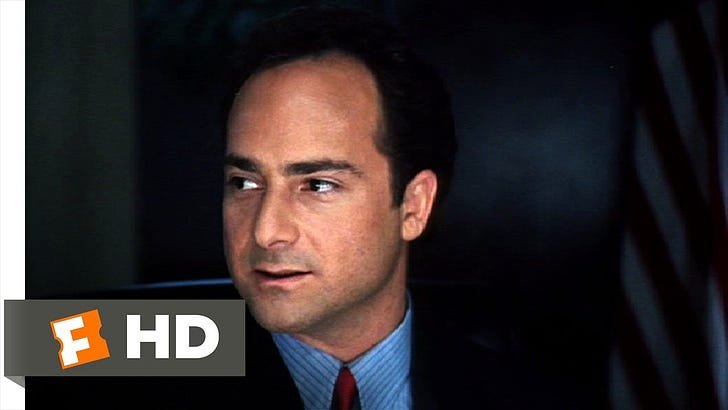
Conventional wisdom is that the United States would not attack Canada. Several people have said it to me since my recent essay warning us to materially prepare for the possibility of asymmetric war with our former ally.
I disagree wholeheartedly with the view that we are safe from attack. The United States under Trump does not see Canada as a foreign country, much less as an untouchable partner. They see our sovereignty as an obstruction, our resources as theirs for the taking. Our territory as part of their ‘manifest destiny’ within the Donroe Doctrine.
The people of the United States chose his leadership and this path with their eyes open. Trust between our countries has been completely shattered and will take generations to heal, if it ever can.
The threat to Canada from the United States is far more serious and severe than most Canadians are willing to consider. It feels and sounds entirely too far-fetched; it is simply too far outside of our experience. We are too socially, politically, economically, militarily integrated to ever imagine fighting.
Individual Americans do not want to go to war with Canada. Individual Canadians cannot even imagine fighting the folks next door. It is never the average citizen that creates a war — but it is always the average citizen who must fight it.
A United States willing to starve the entire population of Cuba, decapitate Venezuela, wage full scale war against Iran, threaten Greenland, mock and insult its allies, ignore its treaties, and restore the idea of manifest destiny, all while withholding support from Ukraine and removing sanctions from a Russia for whose leader they will roll out the red carpet is not a United States we can see as an ally.
When the United States threatened Greenland just two months ago, Western Europe took it so seriously that they set up a hastily organised military exercise on the island. Danish troops traveled with ready-to-use blood transfusions and explosive charges to sabotage their own infrastructure to prevent the Americans from using it. France and other allies put troops on the ground and planes in the air, ready to be engaged by the United States to force such an attack to be a war against them as well.
The United States cannot be trusted not to simply seize access, infrastructure, natural resources, or territory that they feel is owed to or belongs to them. That is the whole point of the Donroe Doctrine. The United States is unlikely to launch a full-scale ground invasion into Canada, but on their current trajectory they will simply take what they want, and we will twist ourselves into pretzels to explain how it was not an act of war in order to maintain the illusion of partnership.
They want our water. They want our oil. They want our rare earth minerals and our many other natural resources. They demand we use their products and weapons, and we are resisting, building new and improved partnerships elsewhere. They do not want us to build stronger ties with our international allies outside of American control. These are standard ingredients for war going back centuries, and wars tend to be between neighbours far more than against far-off lands.
After failing to win their wars in Vietnam, Iraq, and Afghanistan, the doomed war they are waging in Iran will not prevent them from looking to pick other fights. The war itself is the point; it enriches the owners of their defence and energy industries, it raises the prices on everything, and it impoverishes and controls what they see as the serf class — who must then join the military or face starvation.
Their country did not even bother with any serious pretence to justify their current war with Iran. Underestimating their opponent has shaken the world oil market dramatically. We are already seeing it at the pump. In response, the Americans have suspended sanctions against both Russia and Iran, directly funding their own adversaries, and showing a need for the Venezuelan oil they tried to steal and the Canadian oil they see as their own.
These people are not playing chess, they are playing Russian Roulette with a semi-automatic pistol. Their decisions are neither considered nor rational. If the American president were to be arrested for his myriad crimes today, he could reasonably expect to get off on the grounds of being mentally unfit to strand trial.
War with the United States would not look like a Hollywood action flick in any real sense, though it may resemble Michael Moore’s 1995 prescient satire Canadian Bacon. Such a conflict would probably start subtly. It would come as an oops moment, and then another, appearing somehow justifiable. It might not even be deliberate; just an escaped thought from the same deranged president who told Americans to inject themselves with bleach to cure Covid, interpreted by his yes-men as an order.
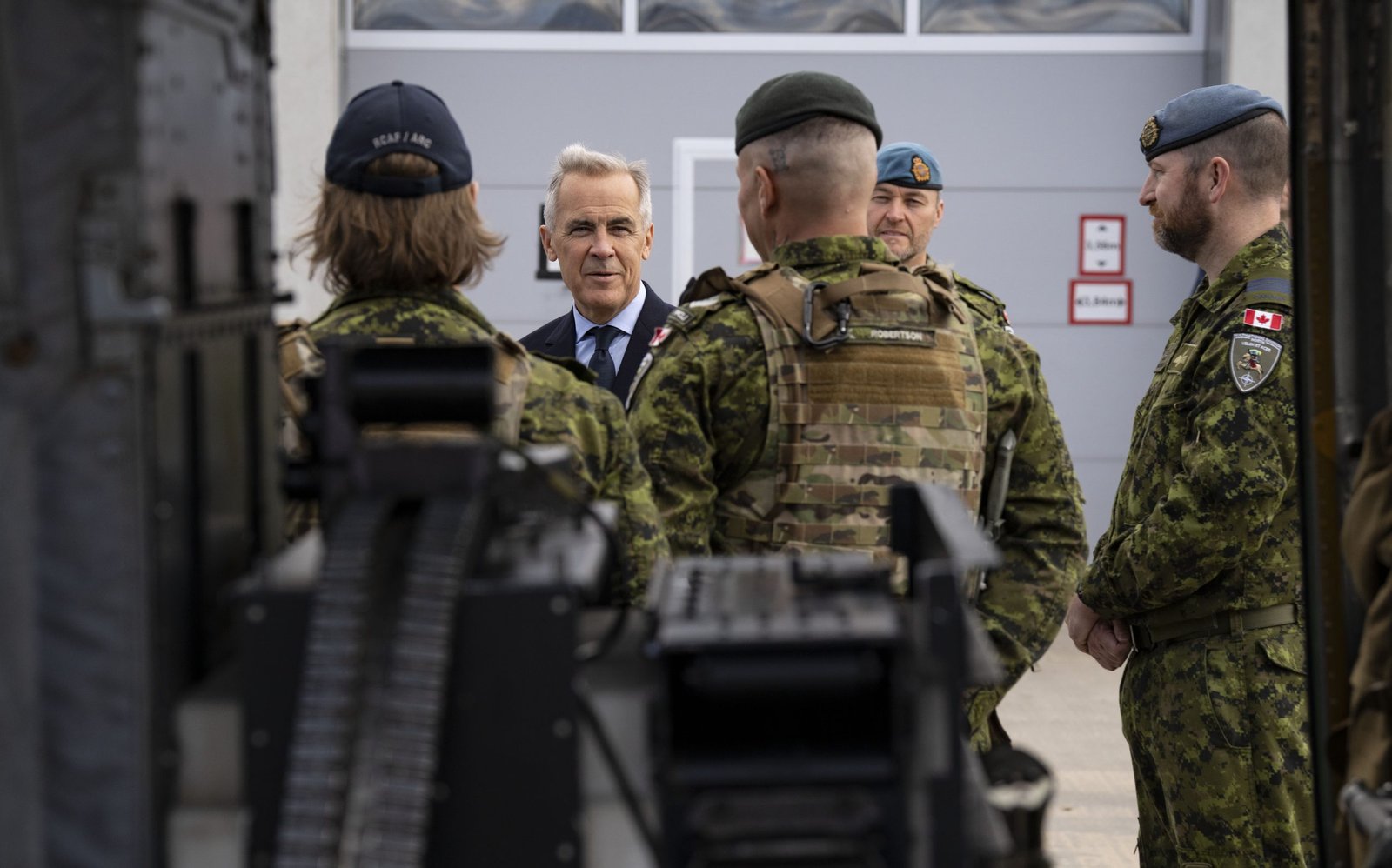
It would test the limits of our tolerance, of the Canadian habit of apologising after someone steps on our toes. It would be placing legally-present Canadian children in immigration detention centres and daring us to react. It would be the American government sending soldiers to “protect” Canadian infrastructure without an invitation, while being welcomed and supported by traitors like Alberta’s separatists and the Joe Rogan-embracing Conservative party.
An oil sand pit, an off-shore oil rig, a pipeline, or perhaps a hydroelectric dam would suddenly be secured by American troops and declared safe from an unknown enemy, forcing ‘compensation’ for their service by directing its output south. Eventually something would blow up as the protection racket expands as we contest America’s unwanted advances, and their lawless leader sees personal riches in continuing.
Our European allies may be sympathetic, but they would not be in a position to meaningfully help with the merging wars of Ukraine and Iran continuing to drain attention and resources.
Unless the American people finally and forcibly reclaim their own country through serious action rather than the occasional weekend protest, Canada would eventually have to decide if we are going to accept to be slowly but surely annexed into the United States, or if we will resist. If we choose to assert our sovereignty, we will eventually be at war. If we do not, we will not find peace.
War is not desirable, but it is plausible. We need to stop pretending that the United States of 2026 is the nice neighbour we used to play with, and plan accordingly.