The U.S. war on Iran has laid bare a dichotomy in the world’s most advanced military: high-tech weapons and AI have delivered stunning blows at unprecedented speed, while defending against the swarm of missiles and drones launched in retaliation have come at unsustainably lopsided costs.
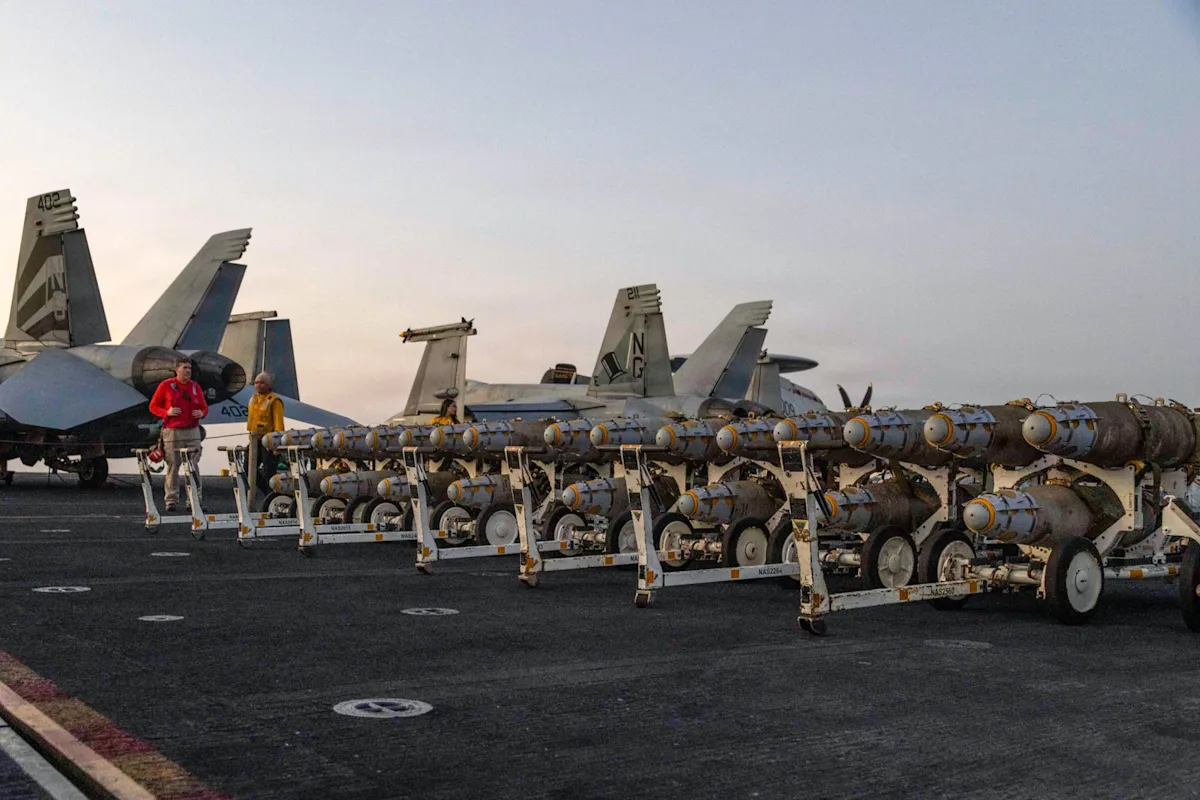
Led by a massive air campaign, the U.S. has claimed more than 7,000 strikes on key sites, with Israel conducting a comparable number of sorties, as AI tools like Anthropic’s Claude recommend targets “much quicker in some ways than the speed of thought.” The relentless bombardment has decimated Iran’s military and leadership.
But helped by the mass production of cheap drones, the forces that are left still retain enough combat power to attack Gulf neighbors and scare away commercial tankers from the Strait of Hormuz, keeping 20% of the world’s oil bottled up.
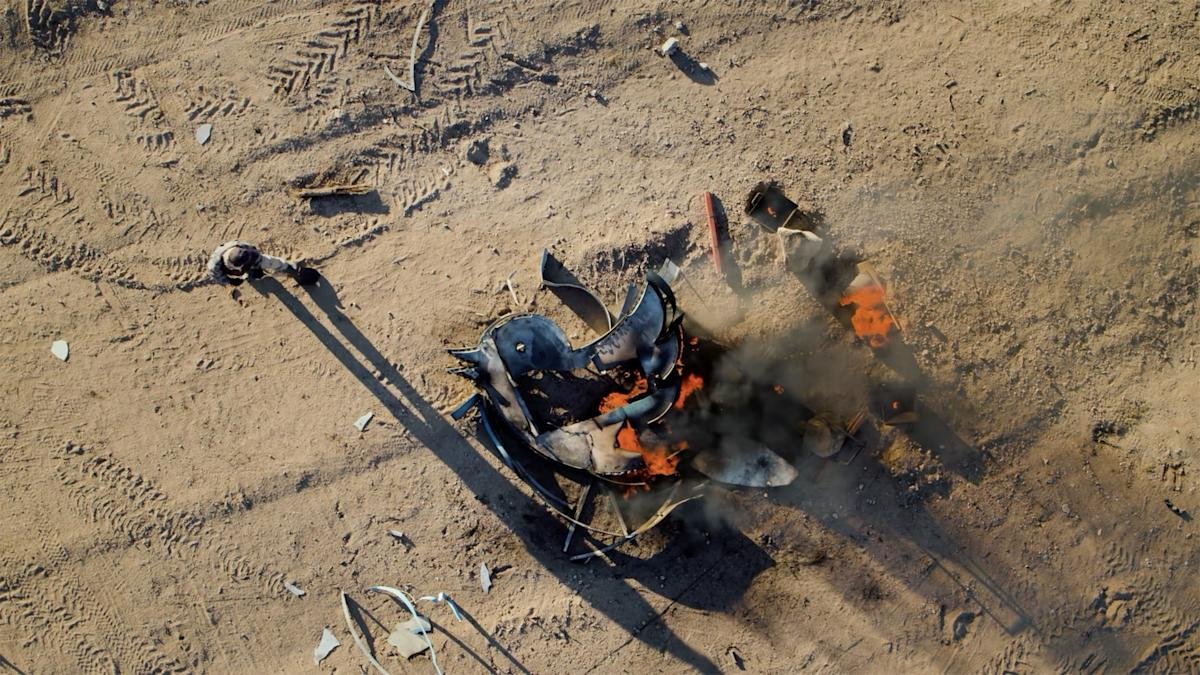
Iran’s retaliatory barrage has also forced the U.S. and its allies to draw down expensive stockpiles of interceptors. The tactic highlights the brutal economics of the current war: missiles that cost millions of dollars each are shooting down drones that cost tens of thousands of dollars. In other words, it’s like the U.S. is using a Formula 1 racer to fight off a used car.
U.S.-style warfare doesn’t come cheap. The first six days of the Iran conflict have cost the U.S. more than $11 billion, though a switch to less expensive bombs has since slowed the daily bill.
Pentagon leaders insist the U.S. has enough munitions, though the exact size of the inventory is classified. Still, the heavy usage has raised concerns about the remaining supply, especially as allies consider what’s needed in the event of war with Russia or China.
But lawmakers got sticker shock on reports the Defense Department was seeking an additional $200 billion for the Iran war. Part of the Pentagon’s calculus, however, was to address the shortage of precision munitions and spur the defense industry to quickly restock supplies, sources told the Washington Post.
President Donald Trump summoned top contractors to the White House earlier this month to push them along. But ramping up to high levels of output could take years. For example, Lockheed Martin made 620 PAC-3 interceptors for the Patriot air-defense system last year and plans to make 650 this year. But its goal of producing over 2,000 annually won’t be reached until 2030, according to Bloomberg.
The current dilemma brings to mind a quote attributed to Joseph Stalin during World War II as he weighed the Red Army’s numerical advantage against Nazi Germany’s superior weapons: “quantity has a quality all its own.”
The U.S. has long prioritized cutting-edge equipment to maintain superiority against any military rivals. But as the pace of technological improvements accelerated in recent decades, costs ballooned and the Pentagon struggled to keep up. During the Iraq war, acquisition officials looked to “off the shelf” commercial options that could be integrated into the military quickly.
The advent of cheap commercial drone technology changed equation dramatically, as demonstrated by the Ukrainian military’s adoption of new tactics to fight off the Russian invasion.
The four-year-old conflict has transformed warfare. Unmanned weapons are now responsible for most battlefield casualties as small first-person view drones hunt down individual troops or vehicles. Ukraine’s defense industry has also evolved to mass produce inexpensive drones that can take down Russia-launched Shaheds from Iran.
Once such drone, the P1-Sun, costs a little more than $1,000 and can fly above 30,000 feet as 3-D printers crank them out in Ukrainian factories.
“The future of warfare is Ukraine producing 7 million drones per year right now,” former CIA director and retired Gen. David Patraeus said earlier this month. “This past year, they produced 3.5 million. That enabled them basically to use 9 to 10,000 drones per day.”
And when combined with AI that makes drones more autonomous, the result will be swarms that are “really, really hard” to counter, he added.
Defending against an onslaught like that may require energy weapons, like high-powered microwaves, that can take down large swathes of drones at once.
“We are not actually where we should be relative to that, based on what we should have been learning from Ukraine for a very long time,” Patraeus warned. “And they’re learning back and forth. They make software changes every week or two, hardware changes every two to three weeks.”
Gulf countries facing Iranian attacks have sought Ukraine’s help in combating the Shahed drone. Ukrainian President Volodymyr Zelenskyy has said his country can produce at least 2,000 “effective and combat-proven” interceptors a day.
The Pentagon also understands the new economics of warfare and has even incorporated a copycat version of the Shahed in the U.S. military, using the American version against Iran during the war.
Emil Michael, the undersecretary of defense for research and engineering, said at an industry conference on Tuesday that the Pentagon plans to go big with the new LUCAS drone.
“After only a few years, we continue to refine that and make that something that we can mass produce at scale,” he said. “They’ve worked very well so far and it’s proven out to be a useful tool in the arsenal.”
This story was originally featured on Fortune.com


 dailynewsnblog