dailynewsnblog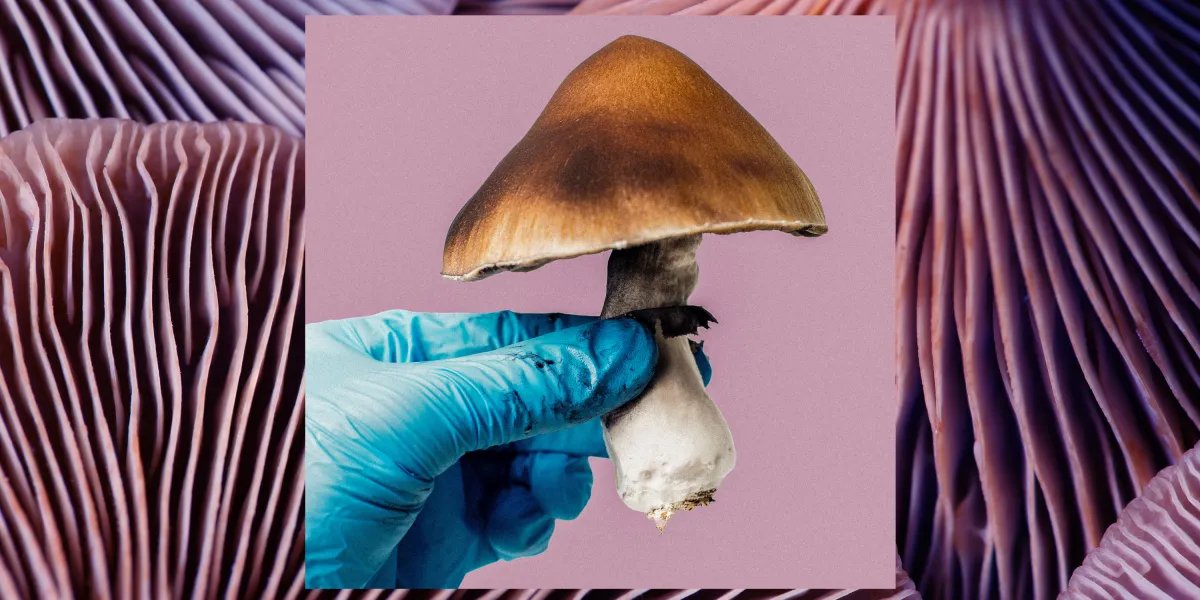
This phenomenon can distort the results of psychedelic drug trials. While a placebo in a traditional antidepressant drug trial improves symptoms by eight points, placebos in psychedelic trials improve symptoms by a mere four points, says Szigeti.
If the active drug similarly improves symptoms by around 10 points, that makes it look as though the psychedelic is improving symptoms by around six points compared with a placebo. It “gives the illusion” of a huge effect, says Szigeti.
So why have those smaller trials of the past received so much attention? Many have been published in high-end journals, accompanied by breathless press releases and media coverage. Even the inconclusive ones. I’ve often thought that those studies might not have seen the light of day if they’d been investigating any other drug.
“Yeah, nobody would care,” Szigeti agrees.
It’s partly because people who work in mental health are so desperate for new treatments, says Owens. There has been little innovation in the last 40 years or so, since the advent of selective serotonin reuptake inhibitors. “Psychiatry is hemmed in with old theories … and we don’t need another SSRI for depression,” he says. But it’s also because psychedelics are inherently fascinating, says Szigeti. “Psychedelics are cool,” he says. “Culturally, they are exciting.”
I’ve often worried that psychedelics are overhyped—that people might get the mistaken impression they are cure-alls for mental-health disorders. I’ve worried that vulnerable people might be harmed by self-experimentation.
Szigeti takes a different view. Given how effective we know the placebo effect can be, maybe hype isn’t a totally bad thing, he says. “The placebo response is the expectation of a benefit,” he says. “The better response patients are expecting, the better they’re going to get.” Tempering the hype might end up making those drugs less effective, he says.