dailynewsnblog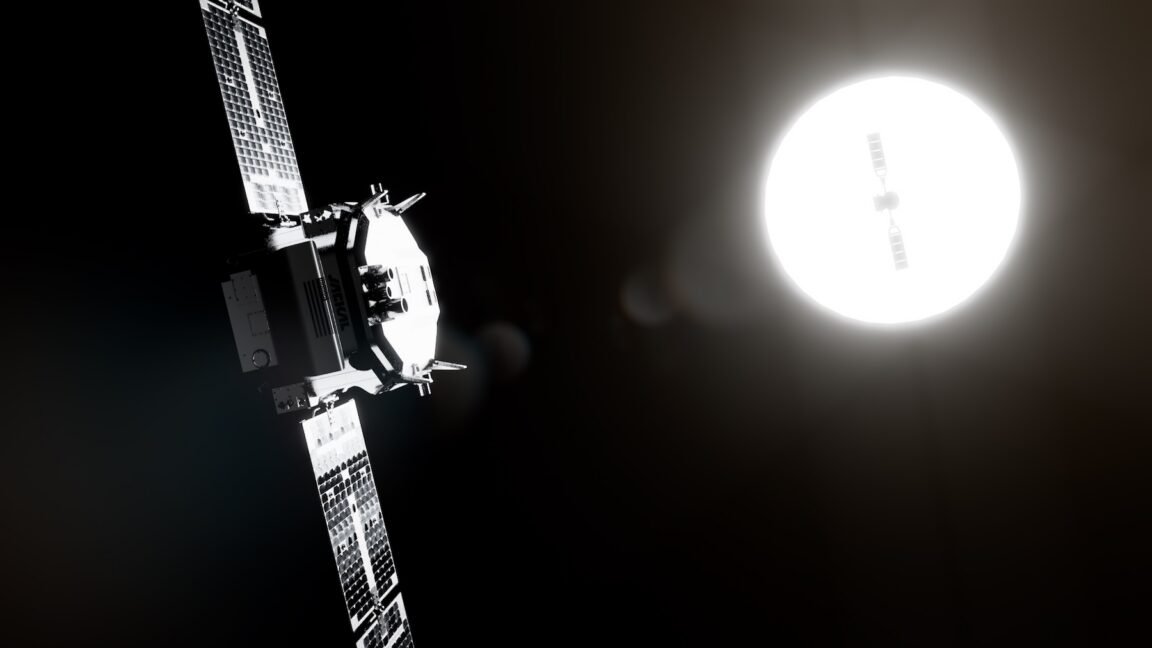
There was no commercial application for the P-51. The P-51 was there to be a fighter escort and sweep asset for air superiority missions. As operational concepts mature for space superiority, those operational concepts will drive a performance envelope for warfare that will be mutually exclusive of commercial applications. Not in all cases. There are spinoffs that can happen, to be clear, but we’re focused on getting the war-fighting technologies right, and we believe the market will support this thesis.
Ars: This is an interesting topic, the idea of developing doctrine and learning how to use new technologies in warfare. I read the first munition was dropped from an airplane in 1911, before World War I. It’s interesting to trace where the space domain is in that arc and compare it to how humans learned how to fight in the air.
Rogers: That’s what I spend most of my time thinking about. How are we going to use space systems for warfare in the future? We have all the applications for intelligence and missile warning and communications, but we’re just starting to think about space warfare, offense, and defense.
By the way, those decompose into different missions on the basis of the specific tactical tasks that need to be accomplished… That means that there are going to be, just like in every other domain, platforms that are purpose-built, that really only have a [military] function. There’s no other function for a guided bomb unit, a GBU, other than for warfare. The B-2 has no commercial application. Lockheed Martin doesn’t sell F-35 to United Airlines, right? That’s because the mission drives the design, so I’m just basically vehemently agreeing with you.
Ars: Is True Anomaly building sensors, weapons, or things for on-ship awareness? Or just the spacecraft bus?
Rogers: We are absolutely designing and building payloads. We hope to announce a few early payloads this year, but we really see ourselves as a full-stack mission solution provider across a wide variety of space superiority missions. We’re going to build a wide variety of sensors for different mission applications: optical sensors, active sensors, lidars, radars, you name it. We’ll leverage our existing supply base where we can, but for most missions, we’re going to provide the full stack of capability, payload, spacecraft, software, and then ops and sustainment, and tactics development and training as well.