dailynewsnblog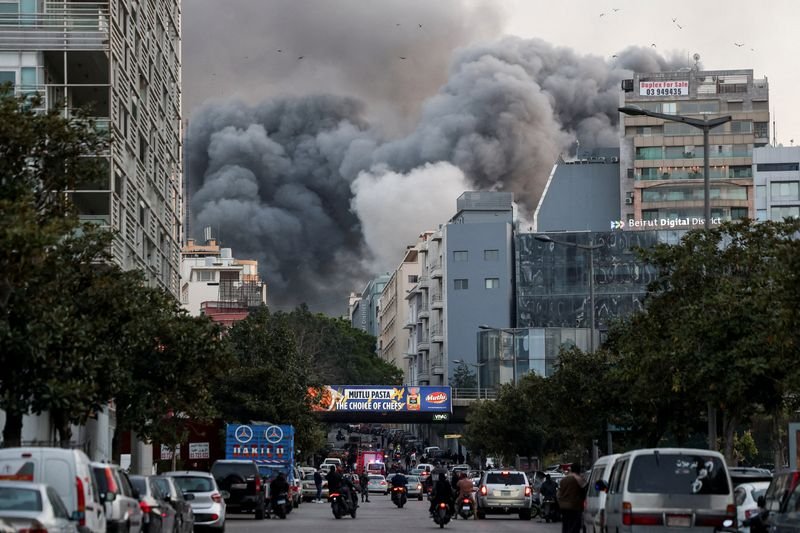
By Alun John and Dhara Ranasinghe
LONDON, March 19 (Reuters) – Global economic growth has continued to outperform expectations for 14 straight months — just as the war in Iran fuels fresh concerns about energy prices and global stability — putting the world economy on track for its longest run of upside surprises since the 2008-09 financial crisis.
Citi’s popular economic surprise metric, which measures how economic data in the prior three months differs from consensus forecasts, has been in positive territory since January 2025, suggesting that economists overestimated hits from geopolitical turmoil and U.S. tariff hikes.
On Thursday it is set to overtake its post-Covid-19 streak, making this its second longest on record, behind the 2009-2011 period.
The index does not yet reflect the impact of the war in the Middle East, which has pushed oil prices up and renewed growth worries and will take time to feed into economic data.
“There is no reason for it to be consistently positive, surprises are normally pretty random, and expectations should adjust to past surprises,” said Kristjan Kasikov, global head of Citi FX Quant Investor Solutions.
“The fact that this has not happened over the past year, means economists have been too stubborn in not adjusting their expectations for better than expected growth,” said Kasikov, who created the index 20 years ago.
“They expected the fallout from trade uncertainty and geopolitics to weigh on growth, and that did not happen.”
He said export and industrial production figures had been particular contributors to the outperformance.
U.S. President Donald Trump announced a series of tariffs on U.S. imports early in 2025. While they have been reduced from the highest levels, which shocked markets when they were announced in April, they remain relatively high.
Massive investment in artificial intelligence and an expansionary fiscal policy from many governments have bolstered growth.
Still, analysts expect the oil price surge to weigh in the months ahead, especially if higher costs spark a broader surge in inflation and force central banks to raise interest rates.
Kasikov said for most of 2025 data showed global growth was decelerating, but by less than economists had expected. In the fourth quarter this shifted and growth indicators began to accelerate, and by more than expectations.
He also said this could explain why global equities performed well in 2025.
The MSCI all country world index rose 20.6% last year.
(Reporting by Alun John and Dhara RanasingheEditing by Ros Russell)