dailynewsnblog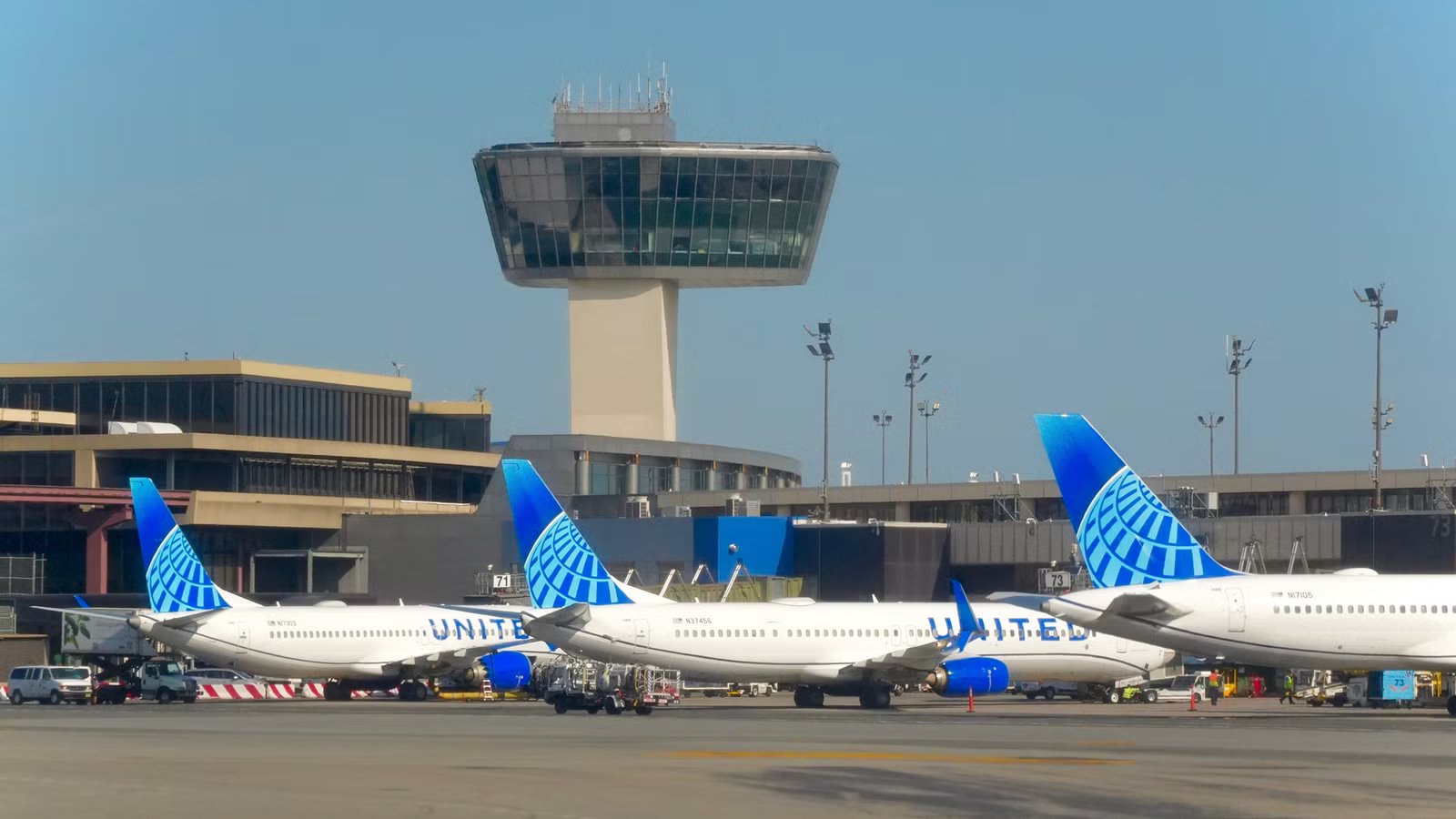
The Federal Aviation Administration (FAA) and the Department of Transportation (DOT) have elected to take a unique action. On March 18, 2026, the agencies announced a new nationwide safety measure aimed at mixed helicopter-airplane traffic near busy airports after the January 2025 Reagan National Airport (DCA) collision and more recent airfield close calls that occurred at Hollywood Burbank Airport (BUR) and San Antonio International Airport (SAT).
The practical effect of this is simple but important, as controllers are no longer supposed to rely on pilots visually keeping clear in these crossing situations. Instead, air traffic control (ATC) must actively keep helicopters and airplanes apart using radar-based separation. As for regulators, this is a safety correction. But for operators, it is a major procedural change with real capacity and delay consequences.
A Narrower And More Concrete Requirement

What the new rule here actually does is significantly narrower than initial reports from outlets like CBS News might lead you to expect. FAA GENOT JO 7110.801 revises an earlier directive so that visual separation can no longer be used when a helicopter or powered-lift aircraft is crossing the flight path of arriving or departing aircraft within Class B, Class C, or TRSA airspace.
In other words, controllers lose the option to simply tell pilots to see and avoid each other under these scenarios. Instead, they are now required to use radar and apply standard approved separation. The Department of Transportation says that this change will affect the busiest airports, which are places where helicopters routinely cut across arrival and departure flows. The reach of this directive will exceed 150 airports all across the country. The operational implications of this new directive are somewhat undetermined at this moment in time, and it could impact airlines operating at the nation’s busiest hubs.
Why Is This So Controversial?

The controversy is less about the collision risk that needs to be addressed and more about the reason for it. At Reagan National Airport (DCA), the collision risk is real and cannot be disputed in the wake of last year’s accident. The controversy is about rollout, workload, and overall transparency. There are a few pieces to unpack here, as the actual meat of the announcement can be somewhat complicated to digest.
The FAA’s public GENOT is only a short amendment to one paragraph of the controller rulebook, but the DOT offers some stronger language. It specifically states that controllers must now keep aircraft apart by specific lateral or vertical distances, without publicly indicating what airport-by-airport procedures will shift as a result of the change.
In practice, however, those distances come from existing radar separation standards and, in some unique cases, facility directives, which means overall implementation will fundamentally shift based on airspace and equipment demands. Therefore, critics will be quick to argue that the agency moved fast on the mandate before it had managed to iron out and explain the operational playbook at the same level of detail.

Emergency Flights Blocked: FAA Restricts LAX Airspace Indefinitely
Helicopter traffic near major US airports has become a hot topic after last year’s collision in Washington DC.
What Will The Impact Be For Passengers?

As for passengers, the overall impact is likely to be modest on a day-to-day basis, but it will still be noticeable at some of the nation’s largest airport facilities. The upside is extremely obvious. A stronger safety margin in exactly the kind of traffic-crossing environment that produces deadly and near-deadly conflicts is something few safety advocates will argue against.
The overall downside is that more conservative separation usually means less flexibility across the board. The DOT has already acknowledged that helicopter operators used to immediate clearance may need to prepare for reroutings and delays, all while arguing that medical and law-enforcement missions could force temporary disruption to airline arrivals or departures, so that these important helicopters can be prioritized.
This will likely mean that some passengers could see slightly longer taxi times, airborne spacing, or short delays around busy airport hubs. All in all, travelers are trading a bit of efficiency for a more robust buffer against a rare but catastrophic kind of incident arising. Most passengers will be happy with that arrangement.