dailynewsnblog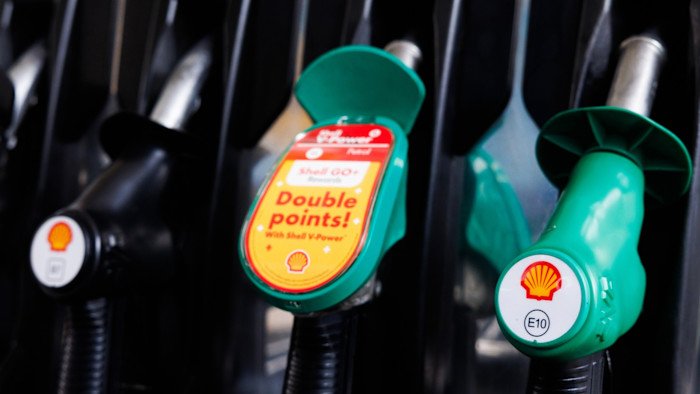
Stay informed with free updates
Simply sign up to the UK inflation myFT Digest — delivered directly to your inbox.
Economists have raised their forecasts for UK inflation following the surge in energy prices caused by the war in Iran, complicating the Bank of England’s decision on interest rates on Thursday.
The Treasury’s summary of independent forecasts, published on Wednesday, showed economists now expect annual inflation to reach 2.6 per cent in the fourth quarter, well above the 1.9 per cent forecast earlier this month by the Office for Budget Responsibility (OBR).
Andrew Wishart, economist at Berenberg, has raised his forecast for UK inflation in 2026 to 2.6 per cent, up from 2.4 per cent previously, assuming that the conflict is resolved quickly and the Strait of Hormuz reopens within weeks.
Even in the event of a short conflict, higher petrol prices in the near term and rising utility bills later in the year are likely to delay the return of inflation to the central bank’s 2 per cent target. “A longer conflict would delay the return to target until well into 2027,” said Wishart.
The BoE is expected to keep interest rates on hold at 3.75 per cent on Thursday, and financial markets now see some chance of higher borrowing costs by the end of the year. This marks a reversal from expectations before the war, when investors had anticipated two quarter-point rate cuts by the end of the year.
Following changes in financial markets’ expectations for the path of UK interest rates, the average two-year fixed-rate mortgage rose to 5.3 per cent on Wednesday, the highest level since February 2025 and up from 4.83 per cent at the start of March, according to Moneyfacts.
Peder Beck-Friis, economist at Pimco, said the outlook was highly uncertain and depended on the path of energy prices. “If prices stay where they are, the inflation impact could be around 1 percentage point, leaving headline inflation close to 3 per cent by year’s end.”
Last week, David Miles, economist at the OBR, said UK inflation could be on track to end the year at about 3 per cent if oil and gas prices remained at their current elevated levels.
Economists have also lowered their growth forecasts for 2026 to 0.9 per cent, from 1.1 per cent in February, according to the Treasury’s report. This is below the OBR’s 1.1 per cent projection but broadly in line with the BoE’s latest estimates.
The forecasts now expect unemployment to reach 5.3 per cent in the final quarter of this year, up from 5.2 per cent.
The direct impact of higher energy prices was not the only source of concern, warned Ellie Henderson, economist at the bank Investec. Higher costs for natural gas, which is used in fertiliser production, risked a knock-on effect on food prices, and businesses facing higher energy costs could pass them on to consumers. “The upside risks to inflation are becoming more worrisome,” said Henderson.