dailynewsnblog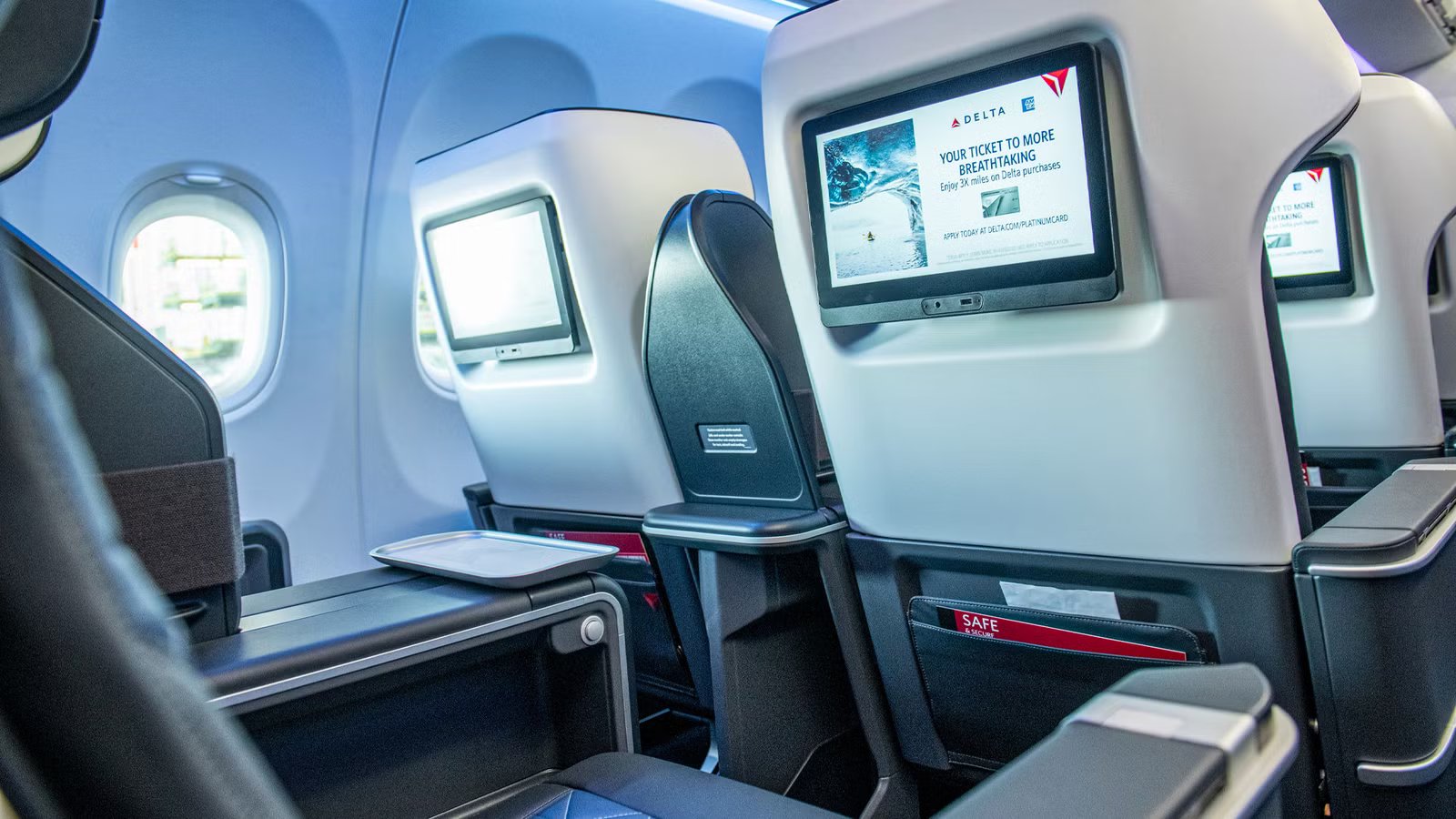
First class on commercial airlines is shrinking because carriers have discovered they can generate more revenue by installing larger business-class cabins rather than a handful of ultra-luxury seats. Over the past decade, airlines including Air New Zealand and  Turkish Airlines have removed first class entirely, while major US carriers such as
  Delta Air Lines and United Airlines no longer offer international first class at all. Instead, airlines have invested in business class suites with lie-flat beds, privacy doors, and direct aisle access—features once reserved for first class.
Drawing on industry reporting from various sources, including the official airline websites, the shift reveals a broader transformation in premium travel. Many airlines are redesigning cabins around efficiency, passenger demand, and modern travel habits rather than prestige alone. For US travelers flying with  American Airlines,
  United Airlines, or Delta, three of the biggest US carriers and some of the world’s largest international carriers, the result is clear: the experience marketed as “premium” today often looks very different from the first class many passengers remember from the golden times of jet travel.
We will explore several reasons why flyers increasingly say first class is not what it used to be: the golden era that shaped expectations, the rapid evolution of business class, the economic logic behind eliminating first class, the industry shift among major airlines, changing passenger expectations and service standards, and why first class may survive only as a niche luxury product on a few selected carriers only.
The Golden Era Of First Class — And Why Expectations Remain High

For much of the late twentieth century, first class represented the pinnacle of commercial aviation. Airlines designed these cabins to showcase prestige and luxury, offering spacious seating, attentive service, and elaborate onboard dining. A small number of seats allowed flight attendants to deliver highly personalized service, reinforcing the sense that first class was an exclusive experience.
During the era of large widebody aircraft such as the Boeing 747, airlines had space to dedicate entire sections of the aircraft to premium travel. Seats were wide, legroom was generous, and passengers often enjoyed amenities such as premium champagne, multi-course meals served on porcelain plates, and large reclining seats that predated modern lie-flat beds. According to reporting from the Daily Mail, earlier generations of first-class cabins typically offered significantly more personal space than many modern equivalents, reinforcing the perception of air travel as glamorous and elite.
These experiences helped shape the image of luxury air travel for decades. However, the business model supporting them was always fragile. First-class seats take up much more space than standard seats, meaning airlines must charge very high fares to justify the expense. As aviation economics shifted alongside societal wealth distribution and income levels, airlines became more focused on profitability, and the industry began exploring ways to use cabin space more efficiently.
Business Class Quietly Became The New Flagship Cabin

One of the main reasons first class seems to be declining is the remarkable evolution of business class. Originally created as a middle ground between economy and first class, business class has changed significantly over the past 20 years.
Modern business-class cabins now frequently include lie-flat beds, direct aisle access, premium dining, and large personal entertainment systems. Some airlines have even installed sliding privacy doors, effectively turning each seat into a small suite. According to Thrillist, these upgrades have narrowed the gap between business and first class to the point where the difference is often less dramatic than it once was.
For airlines, the financial advantages are evident as well. A single first-class seat may take up the same floor space as two or three business-class seats. By replacing a small first class cabin with a larger business class cabin, airlines can accommodate more premium passengers while still offering a high-end experience.
Industry analysts say this shift also reflects the needs of corporate travel. Many companies are willing to pay for business class on long-haul flights but are reluctant to approve the significantly higher fares associated with first class. As a result, airlines have focused on improving business cabins to attract the largest group of premium travelers.

Why First Class Upgrades Have Become Increasingly Difficult
Airlines seem to be getting stingier when it comes to complimentary or discounted upgrades.
Airlines Are Increasingly Eliminating First Class

As business class became more luxurious in recent years, airlines began asking whether they still needed a separate first class cabin at all. For many carriers, the answer was no.
Several airlines have removed the product entirely in recent years. Air New Zealand eliminated first class long ago, while other carriers have followed a similar strategy, investing instead in larger, more advanced business-class cabins. According to Islands, this shift reflects a broader industry trend toward maximizing cabin efficiency and meeting modern passenger demand.
Airline executives have also been unusually candid about the economics behind these decisions. Former Qatar Airways CEO Akbar Al Baker once questioned the logic of maintaining a separate first-class product when modern business class cabins already offer many of the same amenities, as reported by Fortune.
From an airline perspective, the numbers are difficult to ignore. A small first-class cabin may contain fewer than ten seats, while the same space could accommodate several dozen business-class passengers. Because airlines earn revenue on every occupied seat, replacing first class with business class often improves profitability without significantly reducing the passenger experience.
Major US Airlines Have Also Moved Away From International First Class

The shift away from first class is particularly noticeable among large US airlines. Carriers that once operated extensive international first-class cabins have gradually eliminated them in favor of premium business-class suites.
Delta Air Lines and United Airlines no longer operate international first class on long-haul flights. Instead, they offer business-class products such as Delta One and United Polaris, both of which feature lie-flat seats, premium dining, and upgraded lounge access.
American Airlines has also moved in this direction. The carrier announced plans to eliminate international first class in favor of expanding its new Flagship Suite business-class product, citing declining demand for traditional first-class cabins.
Loyalty programs and upgrades also played a role in this shift. For years, airlines frequently filled first class seats using frequent-flyer upgrades rather than selling them at full price. Over time, that practice made the cabin less profitable and encouraged airlines to redesign their premium offerings. The result is a fundamentally different cabin hierarchy on many long-haul aircraft today. Instead of first class, business class now serves as the flagship product for most airlines.

Why Don’t Most US Airlines Have An International First Class?
Why do most US airlines ditch international first class? Discover why business class is now the new luxury standard in the skies.
Passenger Expectations And Service Standards Have Evolved

Another major factor behind the perceived decline of first class is the evolution of passenger expectations. Travelers today prioritize different aspects of the flying experience than they did decades ago.
In the past, luxury meant spacious seats, elaborate meals, and attentive service. Today, passengers often value privacy, connectivity, and productivity. Airlines have responded by designing cabins with enclosed suites, large entertainment screens, and improved Wi-Fi rather than emphasizing the theatrical luxury once associated with first class.
At the same time, the rise of Premium Economy has changed the overall cabin structure. Positioned between economy and business class, premium economy offers additional comfort without the high cost of a fully premium ticket. This cabin category has become one of the fastest-growing segments in aviation, further reducing the need for a separate first class product.
However, some travelers believe that service standards in first class have also become less consistent or are barely distinguishable from business class, despite the large price gap. Online discussions among frequent flyers often mention experiences where the difference between business and first class felt minimal, leading to doubts about the value of first class.
Service consistency usually varies by airline and route, but it illustrates a broader perception among some frequent flyers that first class no longer feels dramatically different from other premium cabins.
First Class Is Returning In Disguise

Although many airlines have removed first class, the concept of ultra-luxury air travel is far from disappearing. Instead, the product is evolving into new forms.
According to Skift analysis, first class is increasingly returning “in disguise” through ultra-premium business class suites and hybrid cabin concepts that deliver similar levels of comfort without using the traditional first-class label.
Some airlines, especially from the Middle East, like  Emirates and
  Qatar Airways, continue to operate extremely luxurious first class cabins with private suites, gourmet dining, and exclusive ground services. These products often serve as brand flagships, helping airlines differentiate themselves in a competitive market.
However, the overall number of first class seats worldwide has declined significantly as airlines focus on business class and premium economy. The future of luxury air travel, therefore, appears to be shifting toward a new hierarchy in which business class serves as the primary premium product while first class becomes a niche offering reserved for a smaller group of travelers.
For passengers who remember the golden age of aviation, this transformation can feel like a loss of glamour. In reality, the industry is adapting to new economic realities and changing traveler priorities. The result is a premium travel experience that looks very different from the one that once defined first class.