dailynewsnblog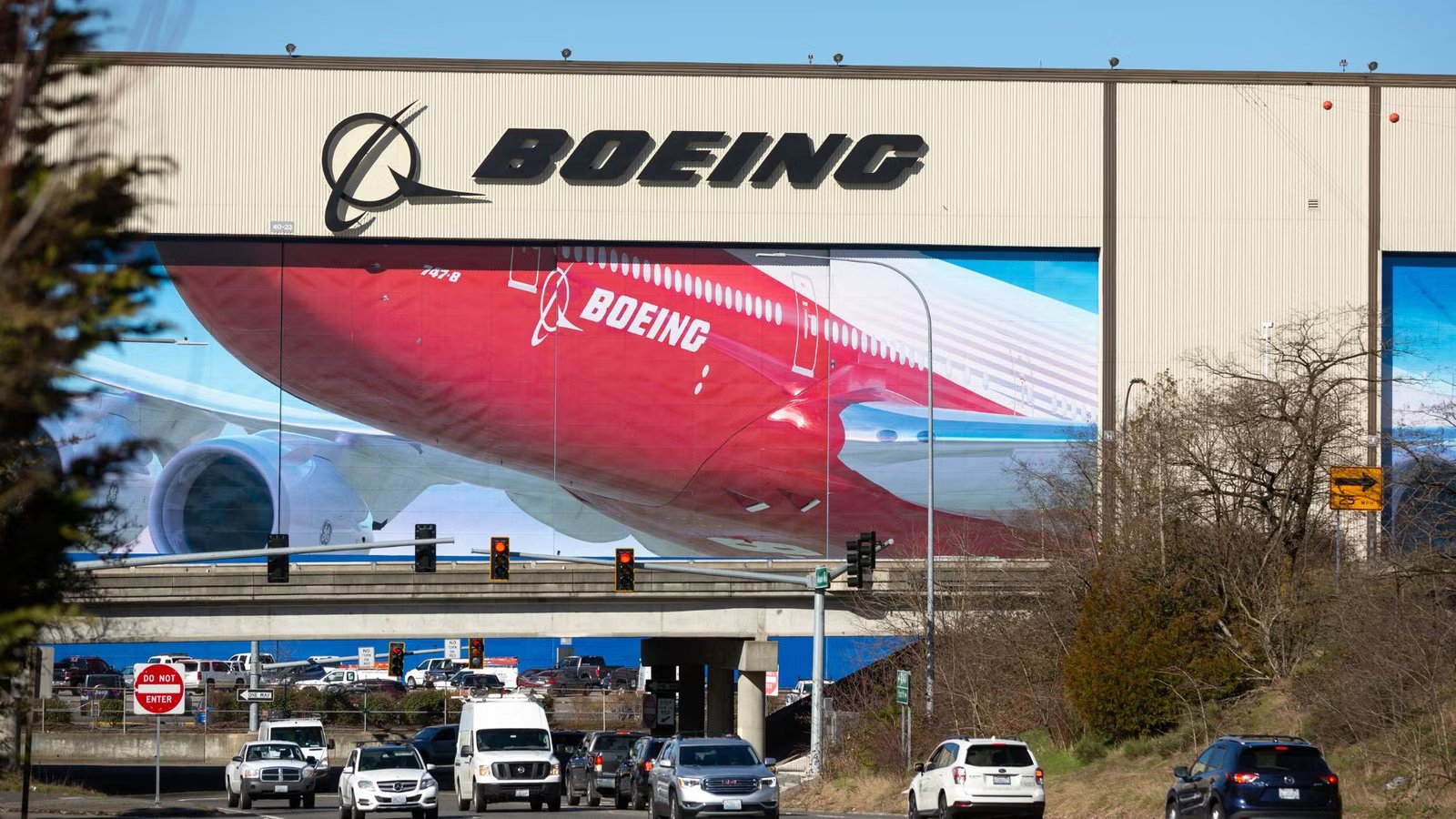
Boeing is assessing potential risks to its supply chain as the conflict in the Middle East begins to disrupt key global transport corridors, reports Reuters. In March 2026, the company asked suppliers to review whether their operations are exposed to the region through shipping or logistics. While the area is not a major source of aircraft parts, it plays an important role in moving components between continents. The initiative is designed to prevent production slowdowns by identifying vulnerabilities early.
Aircraft manufacturing relies on an extensive global network, often involving thousands of suppliers working across different regions. Boeing’s own supply chain includes several thousand companies worldwide, highlighting how dependent production is on smooth logistics. Even small delays in transport can disrupt assembly schedules and delivery timelines. In this case, the concern is less about factory shutdowns and more about how parts are transported.
Boeing Flags Supply Chain Risks As Middle East Conflict Disrupts Key Routes

The review extends beyond  Boeing’s direct suppliers to include lower-tier partners that may rely on routes passing through the Middle East. Companies have been asked to flag any reliance on affected airspace or shipping lanes. As conditions in the region become more volatile, cargo operators are adjusting routes to avoid risk. These diversions can lengthen transit times and complicate the delivery of time-sensitive aircraft components.
Although relatively few aerospace components are produced in the region, its location makes it a major transit hub connecting Europe, Asia, and Africa. The conflict has also contributed to oil prices nearing $100 (around €87) per barrel, pushing up transport costs. In parallel, global air freight capacity has tightened, with notable reductions compared to normal levels. Together, these factors increase both the cost and complexity of maintaining steady production flows. Boeing has said:
“As we continue to monitor the situation in the Middle East, we are assessing potential impacts to the stability of our supply chain.”
Logistics Bottlenecks And Rising Costs Add Pressure To Aircraft Production

The aviation sector is still grappling with supply chain disruptions that first emerged during the COVID-19 pandemic, including persistent shortages of components such as semiconductors, castings, and engine parts, as well as a lack of skilled labor. These constraints have already driven up costs by billions of dollars across the industry and contributed to delayed aircraft deliveries. Many manufacturers continue to operate with limited buffers, meaning even small disruptions can have outsized effects. As a result, maintaining stable production rates has become increasingly challenging.
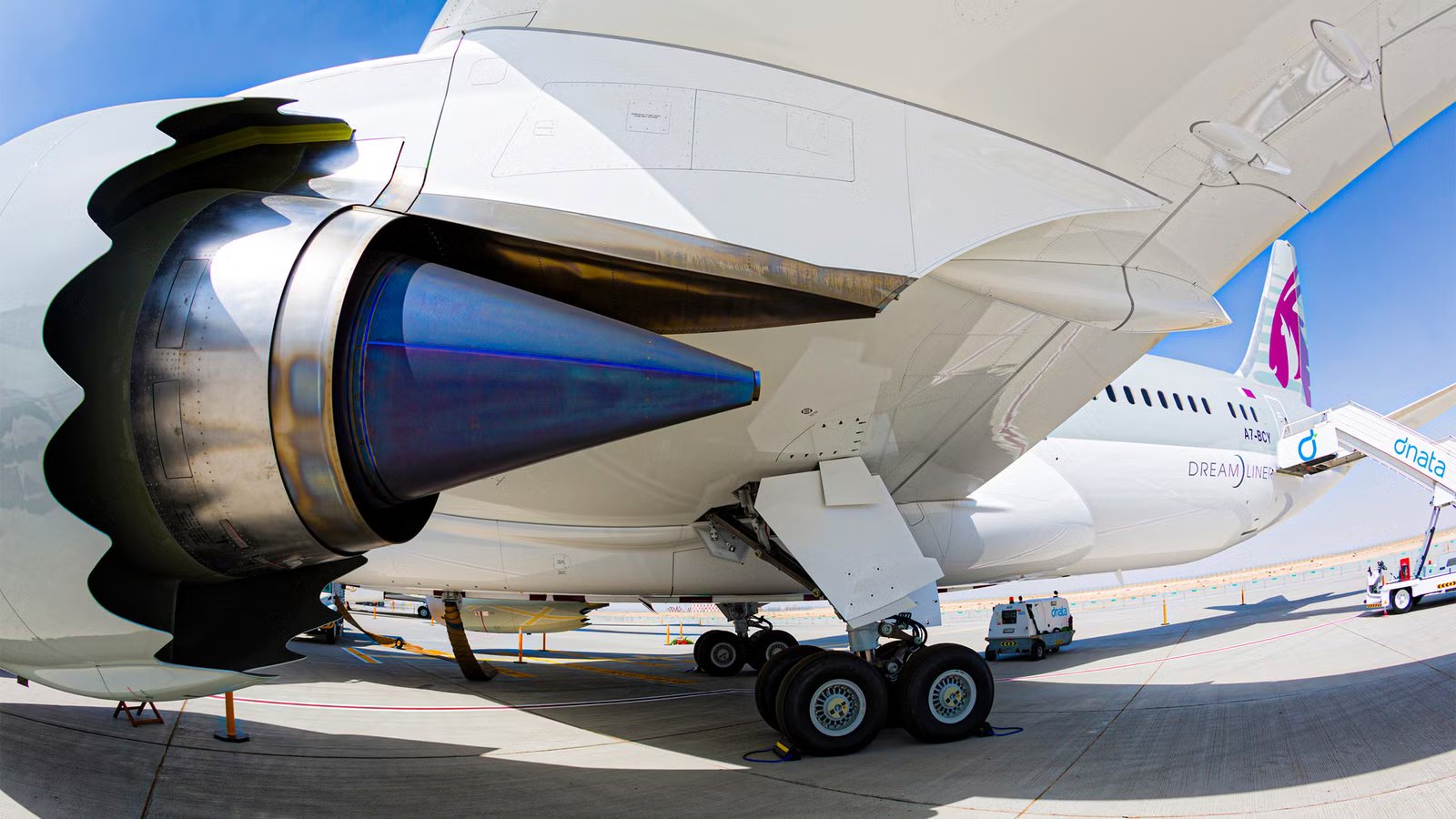
Beyond logistics, the Middle East remains an important aviation market, particularly for long-haul widebody aircraft used by major hub carriers. Airlines such as Emirates, Qatar Airways, and Etihad Airways rely heavily on widebody fleets to connect global traffic flows through their hubs, and collectively account for a substantial share of long-range aircraft orders. This makes the region a critical pillar of Boeing’s widebody backlog and future growth strategy. Extended instability could therefore affect not only how aircraft are built, but also the demand for new jets. At the same time, avoiding conflict zones forces cargo operators onto longer routes, increasing fuel burn, transit times, and overall operating costs.
Another complicating factor is the close link between commercial aerospace and defense production. Many suppliers manufacture parts for both sectors, from structural components to advanced systems. In periods of heightened geopolitical tension, governments may require companies to prioritize military contracts. If that shift occurs, it could further constrain the availability of parts for commercial aircraft, intensifying pressure on an already fragile supply chain.

Boeing’s Widebody Vulnerability: Why 14% Of Its Backlog Is Now At Risk
The manufacturer’s outlook could be shaky.
Long-Term Industry Impacts Could Reshape Global Aerospace Supply Chains

Higher fuel costs are another consequence of the conflict, affecting both airlines and cargo operators. As transportation becomes more expensive, the cost of moving aircraft components rises as well. Combined with longer delivery routes, this creates additional pressure on supply chains. Over time, these factors could influence aircraft pricing and production economics.
Previous global disruptions have shown how sensitive aerospace manufacturing is to logistical challenges. Boeing’s production system depends on precise timing, and even minor delays can have wider consequences. In response, manufacturers have been exploring ways to diversify suppliers and reduce reliance on specific transit routes. The current situation may accelerate those efforts.
At present, Boeing’s actions appear precautionary, focused on mapping potential risks rather than reacting to major disruptions. However, the situation underscores how quickly geopolitical events can affect global aviation, particularly when key transport corridors are involved.