dailynewsnblog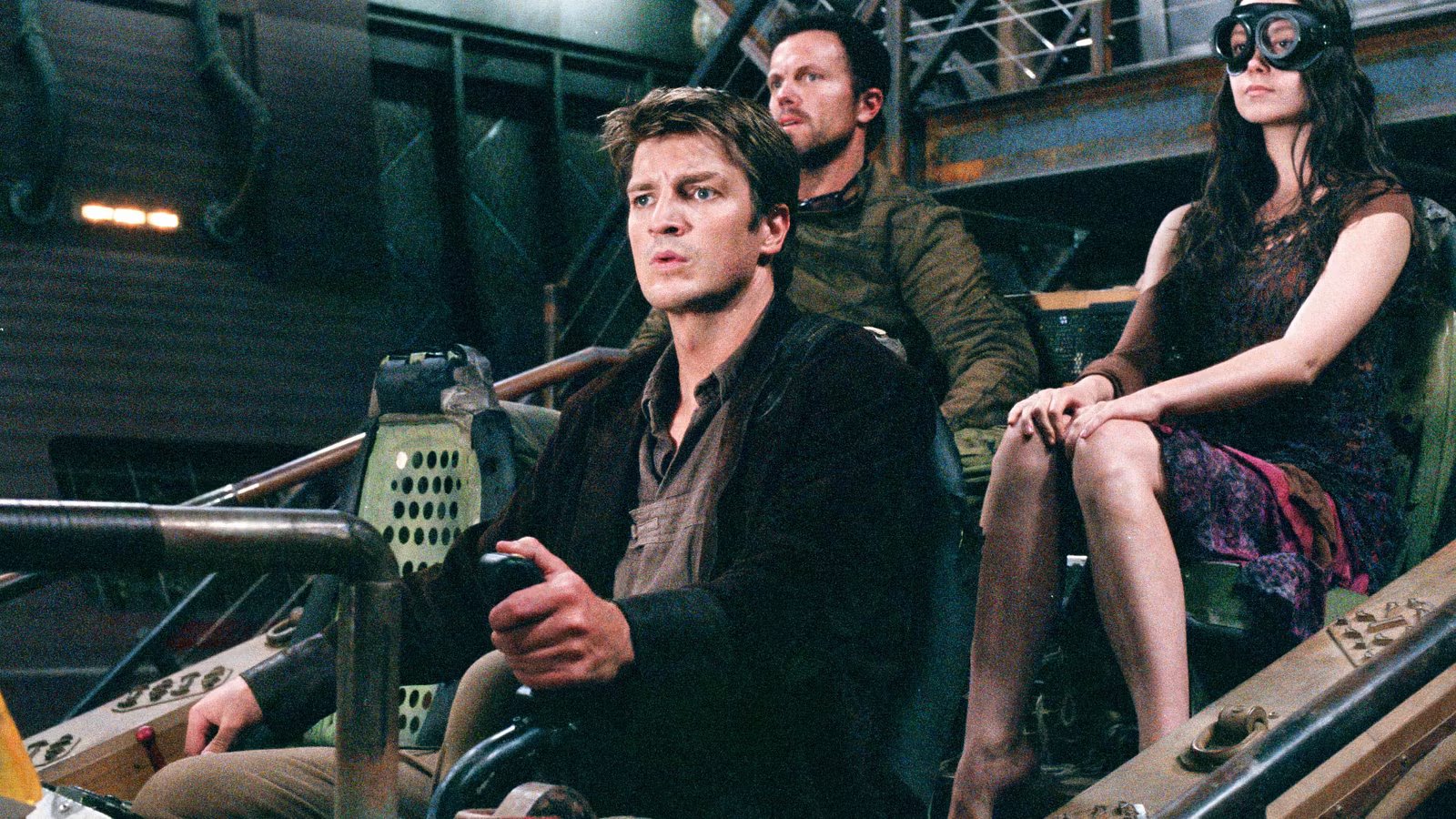
When Nathan Fillion and the cast of the 2002 space Western Firefly started teasing some kind of Firefly revival series, I immediately hoped it would be a sequel to the 2005 Serenity movie. But the plan is actually for an animated series set between the original series and Serenity, which strikes me as practical, but a touch underwhelming.
While two of the show’s protagonists die in Serenity, the movie ends on a note that feels a lot like a new beginning. Captain Malcolm “Mal” Reynolds (Nathan Fillion) and his crew expose the Alliance’s darkest secret: the cannibal space pirates known as the Reavers were created on the distant planet of Miranda in an Alliance experiment that went terribly wrong.
Mal and the crew don’t topple the government, or anything all that dramatic — that was never really the point of Firefly. After broadcasting the truth to the galaxy, the survivors repair their ship, River Tam (Summer Glau) takes the pilot’s seat, and Serenity lifts off again. The message is simple: The story continues. Firefly was always a charming procedural that blended action, space drama, and comedy in a unique way. But it’s also a story with a kind of roguish energy that feels like it should keep propelling the story forward.

A revival set decades later has always felt like the most natural continuation of the story. By the end of the film, the characters are fundamentally different people than they were when the show began. River has embraced her abilities as a psychic prodigy and super-soldier (of a sort). Mal has rediscovered a purpose beyond simple survival. The political fallout of the Miranda scandal is left completely unexplored. The possibilities feel endless and interesting.
Instead of taking advantage of those possibilities, the animated series will backtrack to explore the crew’s exploits sometime between the show and movie. Sure, there are practical reasons: Alan Tudyk’s fan-favorite pilot Hoban “Wash” Washburne died in Serenity, and this approach lets him return. Animation would let the series more seamlessly slip in a new actor to voice the character Shepherd Book, since actor Ron Glass, who originated the role, died in 2016. The remaining real-life actors have aged two decades, which an animated series could ignore. Sci-fi is also expensive to produce in live-action, whereas animation offers much more flexibility. Because the show was prematurely canceled, a lot of unfinished business from that time period remains to be explored.
But an animated midquel series means treading water with a version of the crew whose future we already know, in a way that feels like the producers are afraid to take risks. Serenity pushes the characters somewhere new. Backpedaling to the earlier status quo undoes so much great character development, and leaves us in a place where we already know the endgame the animated series is heading toward. It makes me think of the Star Wars prequel trilogy. When you know Yoda and Palpatine both survive for later movies, their brief confrontation loses a lot of steam or sense of stakes. Likewise, unless the new show ignores Serenity’s continuity to do its own thing, we’ll always have the movie’s spoilers looking over any potential dramatic tension.

A live-action Firefly revival set 20 years after Serenity would be far more interesting. Show us how an aging Mal handles life as a space cowboy well into his 50s. Show us a River who has mastered her powers and overcome her trauma. Show us how Zoë coped with losing Wash and how she moved forward. We loved this crew in the early 2000s because we wanted to be them: They were young, attractive, capable, charming, and totally badass. What does it look like to still be that all these years later?
Over the past decade, Hollywood has increasingly embraced letting time pass within a franchise’s timeline before exploring new revivals. Blade Runner 2049 and Top Gun: Maverick don’t try to squeeze new stories into the margins of their originals. Instead, they lean into the idea that the original characters lived full lives off-screen. The actors aged, and their characters aged with them. Both stories ruminate on what this means, and that makes for more compelling stories.
For all the flaws and unevenness of the Star Wars sequel trilogy, The Force Awakens uses Han Solo really well as a catalyst for Kylo Ren’s further descent into the Dark Side. You really feel Han’s absence in The Last Jedi and The Rise of Skywalker. And showing us a jaded, older, more complicated portrayal of Luke Skywalker makes The Last Jedi perhaps the single most compelling Star Wars movie of all. How do our experiences and trauma shape our identity throughout the course of our lives? Asking these profound questions always strikes me as more interesting than rehashing the glory days.

Also, watching Harrison Ford run from explosions at age 75 in Blade Runner 2049 borders on the comical, but his performance has so much gravitas. You would never get that out of Ford if you forced him to voice an animated version of his younger self from the original 1982 movie.
Firefly might be uniquely suited to this kind of sequel. Serenity’s final scene practically invites it. The crew survives, the truth about the Alliance is out in the open, and the ship flies off into an uncertain future. A story set 20 years later wouldn’t erase the past, but would build on it instead. The galaxy would look different. The characters would carry the weight of everything that happened on Miranda. And the audience would get to see how the crew of Serenity changed after the moment they finally made the universe listen to the truth.
Firefly never really dwelt too much on the past anyway, even given how the history of the war hung heavy over the heads of former soldiers like Mal and Zoë. Constantly moving forward became a way for them to survive their shared trauma. So the Serenity’s crew were always stubbornly flying onward, even when the universe told them not to. The most compelling revivals ask what time, loss, and experience have done to the characters we once loved. I just wish Firefly would do that too.