dailynewsnblog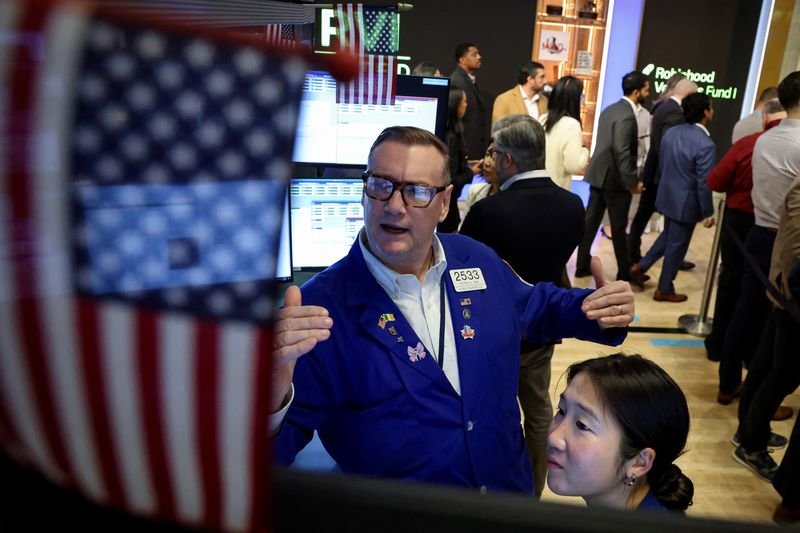
By Mike Dolan
March 17 –
What matters in U.S. and global markets today
By Mike Dolan, Editor-At-Large, Finance and Markets
After a slightly peculiar burst of positivity in world markets on Monday, without any one clear trigger, investors have turned sour yet again today, as the Iran conflict remains as tense as ever and oil prices move back up.
Away from the Middle East, the week’s big central bank parade kicked off today with a widely anticipated interest rate hike in Australia.
I’ll get into that and more below.
But first, check out my latest column on how central banks may yet avoid rate hikes as they navigate potential oil‑driven inflation.
And listen to today’s episode of the Morning Bid podcast, where I break down Australia’s hike versus global rate paths – plus a look at yesterday’s burst of AI‑chip optimism.
Subscribe to hear Reuters journalists discuss the biggest news in markets and finance seven days a week.
A RUMBLE DOWN UNDER
The S&P 500 ended up 1% on Monday, though futures have since given back some of that. Asian shares were mixed again on Tuesday, with South Korea’s KOSPI rising by 2.3% and Japan’s Nikkei closing flat. The dollar has firmed after easing slightly yesterday.
Part of Monday’s rally on Wall Street was due to a sizeable retreat in crude, as a kernel of optimism emerged about getting some ships heading to India, China and Pakistan through the Strait of Hormuz. Brent crude fell nearly 3% to settle at around $100 per barrel.
But that was short-lived. With few signs of any major breakthrough in the war and President Donald Trump struggling to draw NATO allies into a planned coalition to shepherd tankers through the strait, oil pushed higher once again on the simmering conflict, with Brent jumping to over $104 per barrel before easing slightly.
U.S.-China trade talks in Paris may also have helped improve sentiment at the margins, with the two sides holding constructive talks focused on agricultural goods and rare earths.
Another apparent cause of the lift on Monday came from the return of the AI theme to the forefront, as chipmaking giant Nvidia’s annual GTC developer conference got underway in San Jose.
The world’s most valuable company said that its AI chip revenue could potentially total $1 trillion through 2027, as it announced plans to compete more aggressively in inference computing. So far, Nvidia chips have dominated AI model training.
Meantime, South Korea’s SK Hynix warned that strong AI demand could cause the global chip wafer shortage to last until 2030.
Turning to central banks, the Reserve Bank of Australia’s unexpectedly narrow 5-4 vote to hike rates left the prospect of further tightening an open question. In response, the Australian dollar was a bit choppy on Tuesday.