dailynewsnblog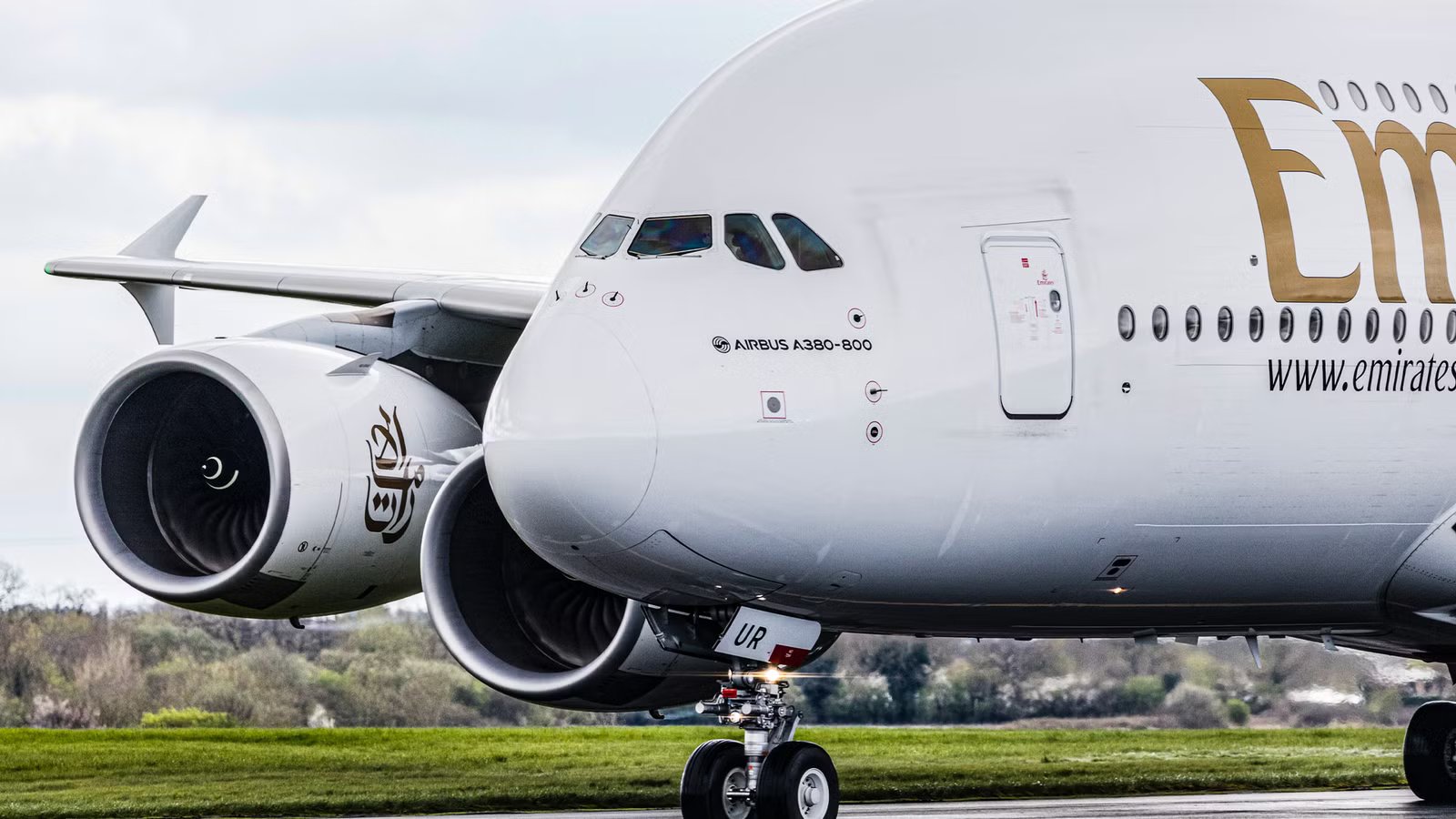
Airbus A380 pilots are among the highest-paid professionals in commercial aviation in 2026, with experienced captains often earning $250,000–$450,000 (€230,000–€415,000) per year, depending on the airline and seniority. The Airbus A380, the world’s largest passenger aircraft, can carry up to 853 passengers in high-density configurations and has a maximum takeoff weight of 1,268,000 lbs (575,000 kg). Based on recent airline contract data, fleet information, and pilot compensation reports, widebody pilots operating aircraft of this size typically receive higher pay due to the aircraft’s long-haul routes, complexity, and the thousands of flight hours required to qualify.
Drawing on data from major A380 operators, this analysis examines exactly how much these pilots earn and why their salaries are among the highest in aviation. Airlines operate the A380 worldwide across some of the world’s largest and busiest hub airports, such as John F. Kennedy International Airport (JFK), Los Angeles International Airport (LAX), Dubai International Airport (DXB), and Heathrow Airport (LHR), to name a few. Below are six key factors that determine A380 pilot salaries in 2026, including airline examples, experience requirements, hourly pay structures, and the global pilot shortage that is pushing wages higher.
The A380 Is One of the Most Advanced Aircraft In The World

The A380 is the largest passenger aircraft ever built, and flying it requires some of the most experienced airline pilots in the world. Introduced into commercial service in 2007, the double-deck aircraft was designed to handle extremely busy long-haul routes between major international hubs. Depending on airline configuration, the A380 can carry between 500 and 850 passengers, making it one of the most capacity-efficient aircraft for high-demand routes.
The aircraft’s sheer size and engineering complexity make it a demanding aircraft to operate. The A380 has a maximum takeoff weight of up to 1,268,000 lbs (575,000 kg) and a wingspan of 261 feet (79.8 meters). Powered by four large turbofan engines, the aircraft can cruise at around 560 miles per hour (900 kilometers per hour) and has a range of roughly 8,000 nautical miles (14,800 kilometers).
Only a handful of airlines currently operate the A380, including Emirates, Singapore Airlines, Qantas, British Airways, and Lufthansa. These airlines primarily use the aircraft on long-haul international routes that often last 10–16 hours or more, which is one reason A380 pilots tend to earn higher salaries than pilots flying smaller aircraft.
A380 First Officers Typically Earn Six-Figure Salaries

First officers work alongside the captain as the second pilot in command on the flight deck. While the captain holds ultimate authority for the aircraft, the first officer actively shares flying duties, operating the controls during different flight phases and managing navigation, communications with air traffic control, and monitoring aircraft systems. In 2026, most A380 first officers earn between about $120,000 (€110,000) and $250,000 (€230,000) per year, depending on airline contracts, seniority, and total flight experience.
Pilots are typically paid according to the number of block hours they fly each month. Block time refers to the period from when an aircraft begins moving for departure until it reaches the destination gate. Widebody first officers flying aircraft like the A380 usually earn around $200–$310 per flight hour (€185–€285), with most airline contracts limiting pilots to approximately 65–90 flight hours per month. Because A380 routes are typically long-haul international flights, pilots often reach their monthly limits in fewer flights compared to short-haul pilots flying narrow-body aircraft.
Real-world data provides a clearer picture of A380 first officer earnings. At Emirates, the world’s largest A380 operator with over 100 aircraft in service, a first officer earns roughly AED 610,000 annually, which equals about $165,600 (€152,000) before benefits. Pilots also receive international layover allowances, retirement contributions, and extensive travel benefits, which can add $20,000–$50,000 (€18,000–€46,000) or more to total annual compensation. Similar packages exist at other major A380 operators such as Singapore Airlines, Qantas, and British Airways, where experienced widebody first officers frequently earn well over $200,000 (€184,000) after allowances and overtime.

How Much Does It Cost To Operate An Airbus A380 In 2025?
Discover how much it costs to operate an Airbus A380 in 2025, and why airlines like Emirates and Global Airlines still see value in the superjumbo.
A380 Captains Can Earn Over $400,000 (€370,000)

Captains sit at the top of the flight deck hierarchy and carry ultimate responsibility for every aspect of the flight. On aircraft such as the A380, the captain is responsible for flight planning, fuel strategy, weather avoidance, aircraft performance calculations, and emergency procedures, while coordinating closely with the first officer and cabin crew. Even though both pilots share flying duties during different phases of the journey, the captain makes the final operational decisions.
Because of this level of responsibility, A380 captain salaries rank among the highest in the airline industry. In 2026, most wide-body captains flying aircraft of this size earn roughly $250,000–$450,000 per year (€230,000–€415,000) depending on airline contracts and years of service. The pay structure usually combines a base salary with hourly flight pay, with experienced captains often earning $350–$700 per flight hour (€320–€645). In some cases, senior pilots working overtime, long-haul premium routes, or training roles can see their annual earnings exceed $500,000 (€460,000).
At Emirates, captains receive a base salary of around AED 785,000 per year, equivalent to roughly $210,000 (€193,000). Pilots hired as direct-entry captains with significant long-haul command experience may earn approximately AED 835,000 annually (about $225,000 / €207,000). Once additional compensation, such as housing allowances, layover payments, productivity bonuses, and travel benefits, is included, total earnings can rise to more than $320,000 (€295,000) per year. Other large A380 operators, including Singapore Airlines, Qantas, and British Airways, offer similar compensation packages.
Becoming An A380 Pilot Requires Years Of Experience

Pilots do not begin their careers flying aircraft as large as the Airbus A380. Instead, becoming qualified to operate the world’s largest passenger aircraft usually requires a long progression through smaller aircraft and multiple airline roles. Pilots start with flight training and then build experience as first officers on regional aircraft before gradually moving to larger jets. This process can take 10–20 years, depending on airline demand, pilot shortages, and how quickly a pilot accumulates flight hours and seniority within their airline.
Most airlines require pilots to log at least 3,000–5,000 total flight hours before they are considered for widebody aircraft assignments. However, pilots flying aircraft like the A380 often have significantly more experience. Many captains commanding these aircraft have 8,000 to 15,000 total flight hours, including thousands of hours flying large commercial jets on international routes. In addition to flight hours, airlines require pilots to complete advanced training programs and obtain a type rating for each aircraft they operate.
Pilots often begin their airline careers flying smaller aircraft or regional jets before transitioning to narrow-body aircraft such as the Airbus A320 or Boeing 737. After several years of experience and promotions based on seniority, they may move to long-haul widebody aircraft such as the Airbus A350 or the Boeing 777. Only after accumulating substantial experience on these aircraft do some pilots eventually qualify to fly the Airbus A380, which is typically reserved for the most experienced crews within an airline.

A Look At The Salaries Of US Airline Captains In 2026
How much can the pilots in command of America’s airlines expect to earn in 2026?
Benefits And Allowances Significantly Increase Pilot Pay

Base salary represents only one component of an airline pilot’s overall compensation. For pilots flying large long-haul aircraft such as the Airbus A380, the total value of their employment package often includes numerous benefits and allowances that significantly increase their yearly earnings. These additional forms of compensation are designed to support pilots who spend long periods away from home and frequently travel internationally.
Many international airlines provide extensive benefits beyond direct pay. These may include housing allowances, private health insurance, retirement or pension contributions, travel privileges, and transportation to and from the airport. For instance, pilots working for Emirates often receive company-provided housing or a housing allowance in Dubai, along with chauffeur-driven transportation to and from the airport before and after flights. Some contracts also include education allowances for children, which can cover international school tuition, as well as relocation support for pilots moving to a new country.
These benefits can add $30,000 to $100,000 (€27,500–€92,000) or more to a pilot’s total compensation each year, depending on the airline and location. Pilots also receive per diem allowances during international trips to cover meals and incidental expenses during layovers. Because long-haul pilots may spend several nights per month in different cities around the world, these allowances can amount to several thousand dollars annually, further increasing the overall value of their compensation package.
Global Pilot Shortages Are Driving Salaries Higher

One of the biggest forces shaping pilot salaries in 2026 is the rapidly growing global demand for qualified airline pilots. Industry forecasts estimate that airlines will need more than 600,000 new pilots worldwide by 2042 to keep up with expanding air travel and fleet growth. Much of this demand comes from the increasing number of long-haul aircraft entering service, including large widebody jets such as the Airbus A380, Airbus A350, and Boeing 777, all of which require highly experienced crews. As international travel continues to recover and expand, airlines are competing aggressively to recruit and retain skilled pilots.
Airlines around the world have already responded to this shortage with higher pay and improved contracts. In the United States, major carriers have approved pilot contracts in recent years that increased compensation by roughly 30–40 percent. Similar trends are appearing internationally as airlines attempt to prevent experienced pilots from moving to better-paying carriers. In addition to higher salaries, some airlines now offer signing bonuses, improved retirement contributions, and faster promotion pathways to attract new pilots.
Because widebody aircraft require the most experienced crews, pilots qualified to fly aircraft like the Airbus A380 are particularly valuable to airlines. These pilots often have thousands of flight hours on long-haul aircraft and extensive training on advanced flight systems, making them difficult to replace. As global air travel demand continues to grow and airlines expand their long-haul networks, pilots operating large aircraft such as the Airbus A380 are expected to remain among the highest-paid professionals in commercial aviation for many years to come.