dailynewsnblog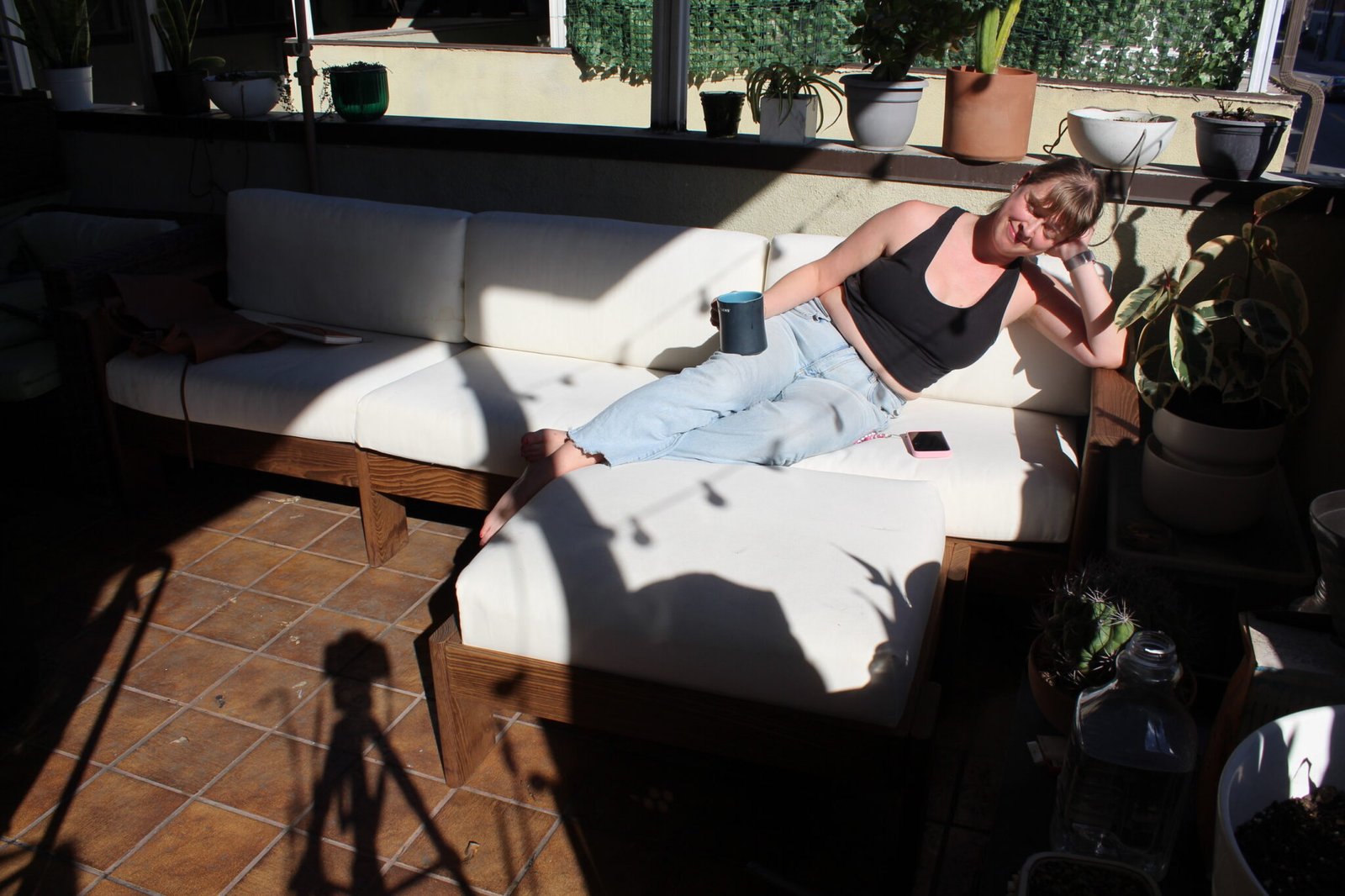
Summary: The Bacana outdoor collection from Sabai is a real step up from most flat-packed patio sets: The frame is sturdy, the silhouette is clean, and the cushions stay put and support an upright sitting position. It’s also a meaningful investment — not just in price, but in time and effort — so it makes the most sense for people who treat their outdoor space as an extension of their living room and care about repairability and materials as much as aesthetics.
Pros
- The streamlined silhouette and quality materials set Sabai’s Bacana apart from most budget outdoor sets
- The upholstery is made from a plant-based fabric, and the cushions are made from a medium-firm, supportive latex that stays in place within the frame (no sliding!)
- Water-resistant, removable covers have handled rain and everyday spills reasonably well so far
- Made-to-order production with replacement parts and cushions available
- The flat wooden arms on the side are the perfect size to put a book, drink, or phone
Cons
- The price point is high for folks who only use their outdoor spaces sparingly (or more seasonally)
- Long assembly time, around 4–5 hours solo, which includes dealing with heavy, bulky boxes. It’s possible for a scrappy person, but might be a lot if you’re expecting to use it out-of-the-box
- There are no printed instructions or a clear QR code in the packaging; you have to track directions down yourself (don’t worry, you can find instructions here)
- If you want a deep lounger, this set is a little shallower and upright than others — it’s still super comfortable
- The FSC-certified ash wood frame can flake or scuff if you scoot pieces over textured, grooved surfaces
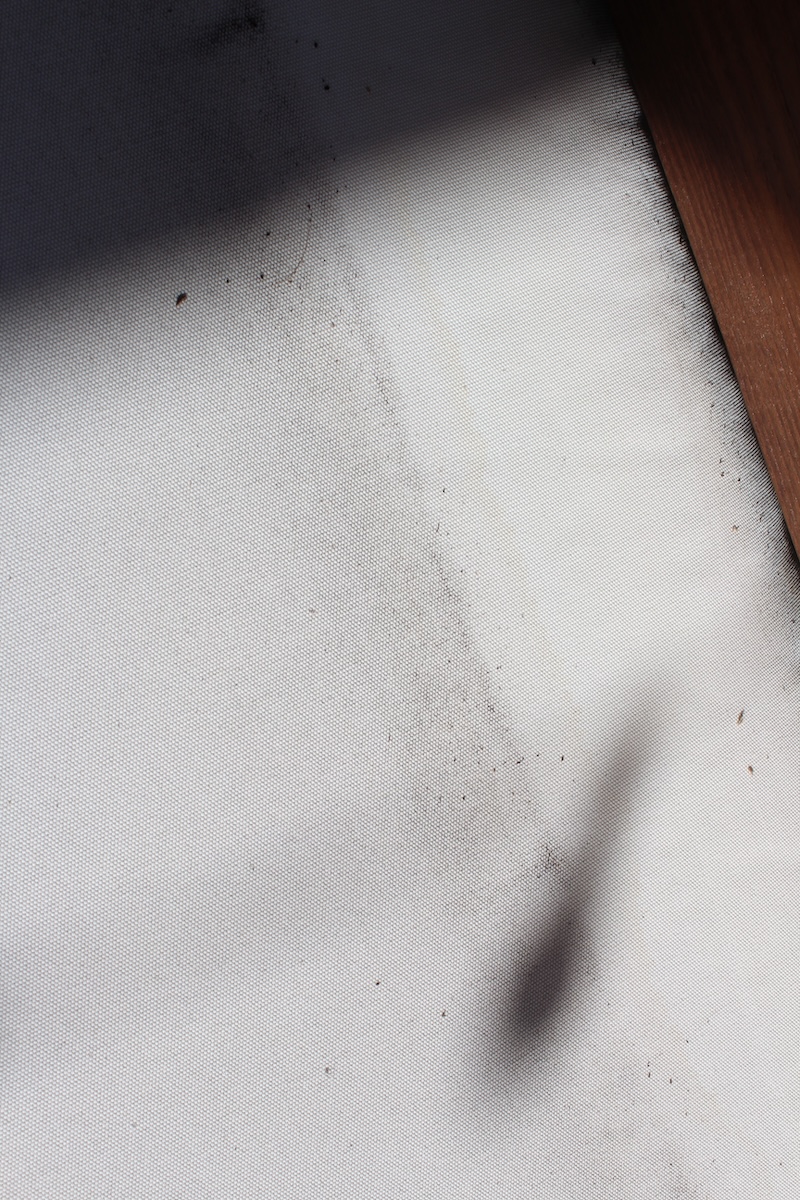
- The light upholstery shows dust, soot, and footprints easily, but it is still easy to clean
My covered patio functions as a second living room: it’s where I read, craft, journal, and drink my morning coffee. I love working, socializing, and even napping in my outdoor space, thanks to it being a little tucked away (a rare gem in Los Angeles!). For the past four years, I’ve had a budget Amazon set out there that technically worked, but over time, the plastic legs cracked, the cushions faded and mildewed, and the whole thing started to feel more “placeholder” than intentional.
So, as I’m gearing up for another “porch girl summer,” I wanted to upgrade my setup. I started with replanting my hanging plants, composting the ones that didn’t make it, spraying down the soot on the tiling, and adding a Yellow Leaf Hammock — a perfect place to nap after a long day of meetings. But I wanted to make it even more inviting for guests, so I decided to upgrade to an outdoor sofa from Sabai.
“Since I already own a Sabai sectional indoors and have had a good experience with it, I was curious about how their outdoor line would compare.”
Since I already own a Sabai sectional indoors and have had a good experience with it, I was curious about how their outdoor line would compare. With the Bacana sofa and ottoman, I was looking for something that looked more polished than my old set, felt sturdy enough to last, and aligned with Sabai’s repairable, made-to-order approach — without tipping all the way into ultra-high-end, white-glove territory (this is, after all, an outdoor set).
After two whole months of use, including during a very rainy season (and a bit of an arduous setup, which I’ll detail below), the Bacana mostly hits that brief: it reads as “real furniture” outdoors, not an afterthought, but you are still fully in the assemble-it-yourself space.
I’ll be the first to admit that for most people who just want somewhere to sit a few times a month, the price is high. For anyone like me who uses their patio daily and sees it as a true extension of their home, the value starts to make more sense. Here’s how my first few months with Sabai’s Bacana outdoor set went!
Ordering, shipping, and assembly of Sabai’s Bacana
Ordering the Bacana is straightforward: you choose your configuration, fabric, and finish online, then wait while Sabai builds and ships your pieces. Because everything is made to order in North Carolina, you can expect your new outdoor sofa delivered via FedEx ground in 8-10 weeks. There’s nothing instant about this set! But that’s one of the reasons I love Sabai already; they don’t sit on unsold inventory.
“There’s nothing instant about this set! But that’s one of the reasons I love Sabai already; they don’t sit on unsold inventory.”
I ordered the outdoor Bacana sofa in the salt-colored upholstery (priced at $4,795), and the matching Bacana ottoman (priced at $895). These pieces boast an FSC-certified thermal ash solid wood frame and PFAS-free, biodegradable upholstery made from banana leaf fibers. The cushions feature a natural latex foam core for long-lasting support, and the covers can be replaced if you ever need a refresh!
When the six (!!) boxes arrived, they were impressively sturdy — and heavy. That’s a plus for protecting the furniture in transit, but it also meant I spent a lot of time opening, breaking down, and hauling heavy cardboard pieces back downstairs to the recycling bin. My lovely FedEx driver left the packages downstairs, and for good reason, since they’re so heavy, and I broke a nice sweat rolling them up the steps one by one.
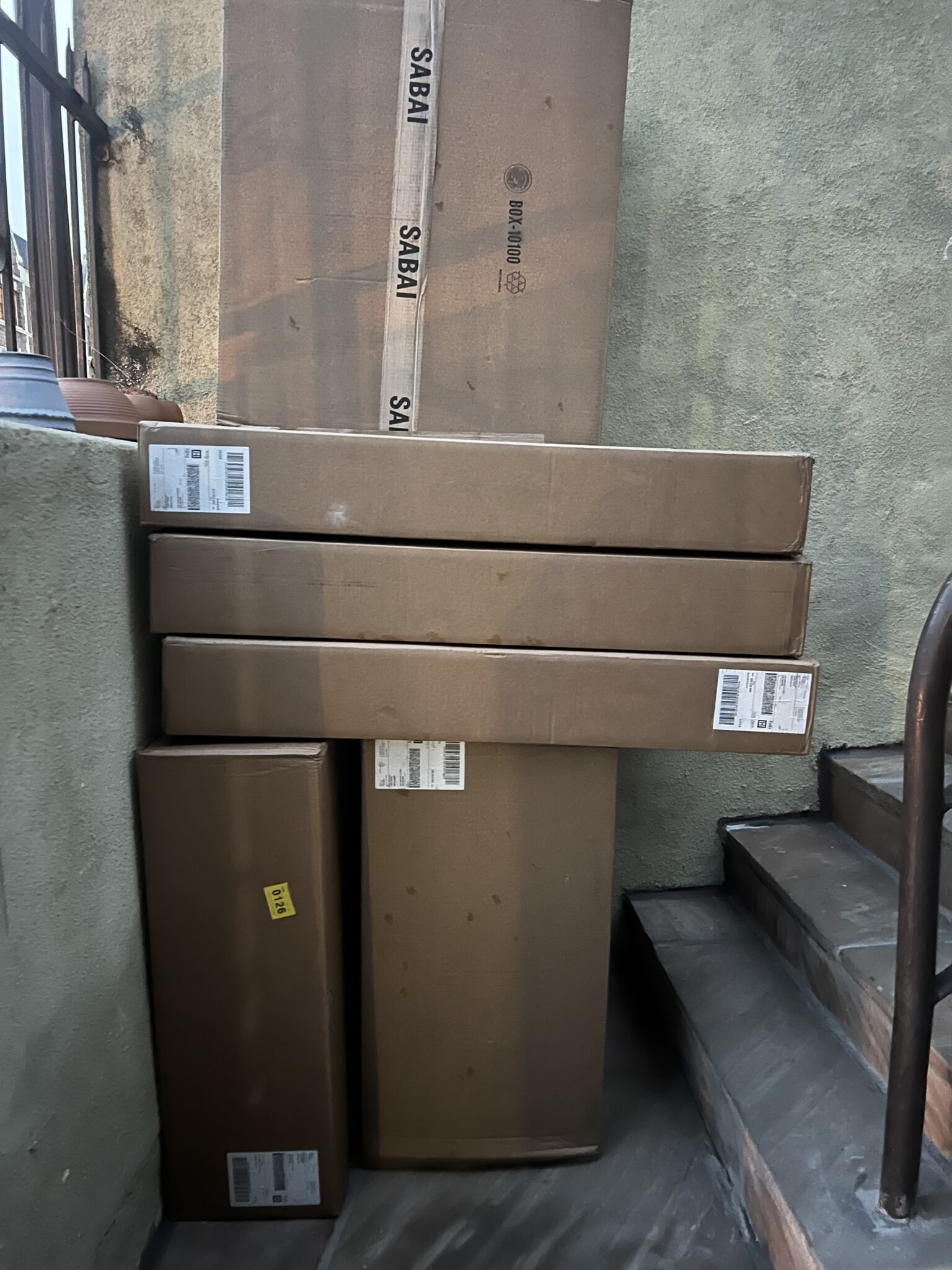
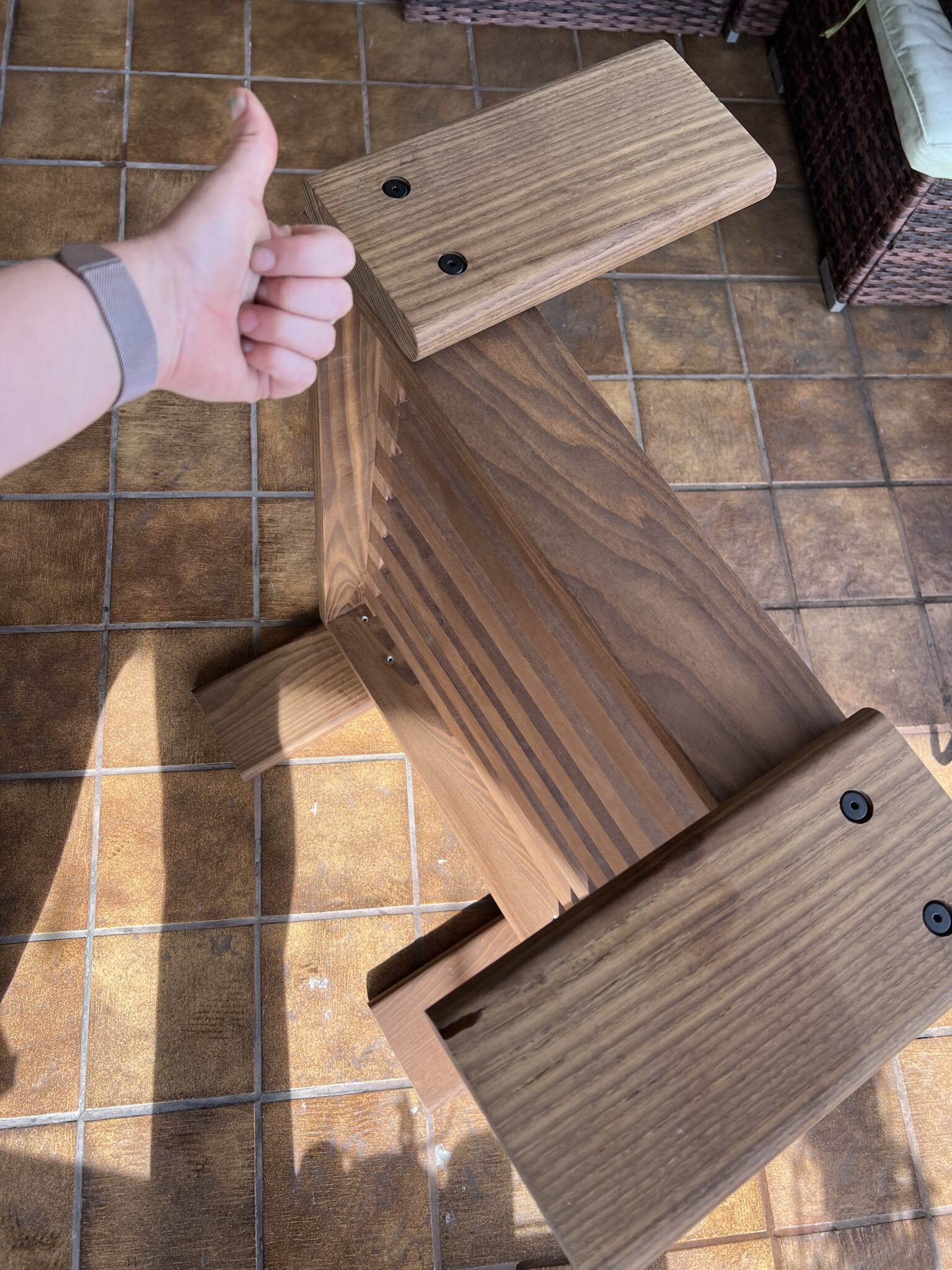
Assembly took me around four to five hours working solo, including unboxing and cleanup. When I opened a few of the boxes to find more boxes I got a little exasperated, but hey, that comes with the assemble-it-yourself furniture territory. Sabai recommends two people, and I would agree; even if you’re comfortable with tools, the pieces are bulky, and having a second set of hands would make things smoother. I did run into a small moment of confusion with the ottoman and initially screwed the legs in the wrong way, but it was simple to undo and reassemble correctly.
“Even if you’re comfortable with tools, the pieces are bulky, and having a second set of hands would make things smoother.”
While all the screws and hex tools are included with your Bacana sofa, I do wish there were printed instructions or an obvious QR code in the boxes for setup. Assembly directions are easy to find online, so it’s not a big deal, but feels notable. I also pulled the hex bit out of the tool and popped it into my drill, which helped me move faster — so if you have a drill, I recommend using it!
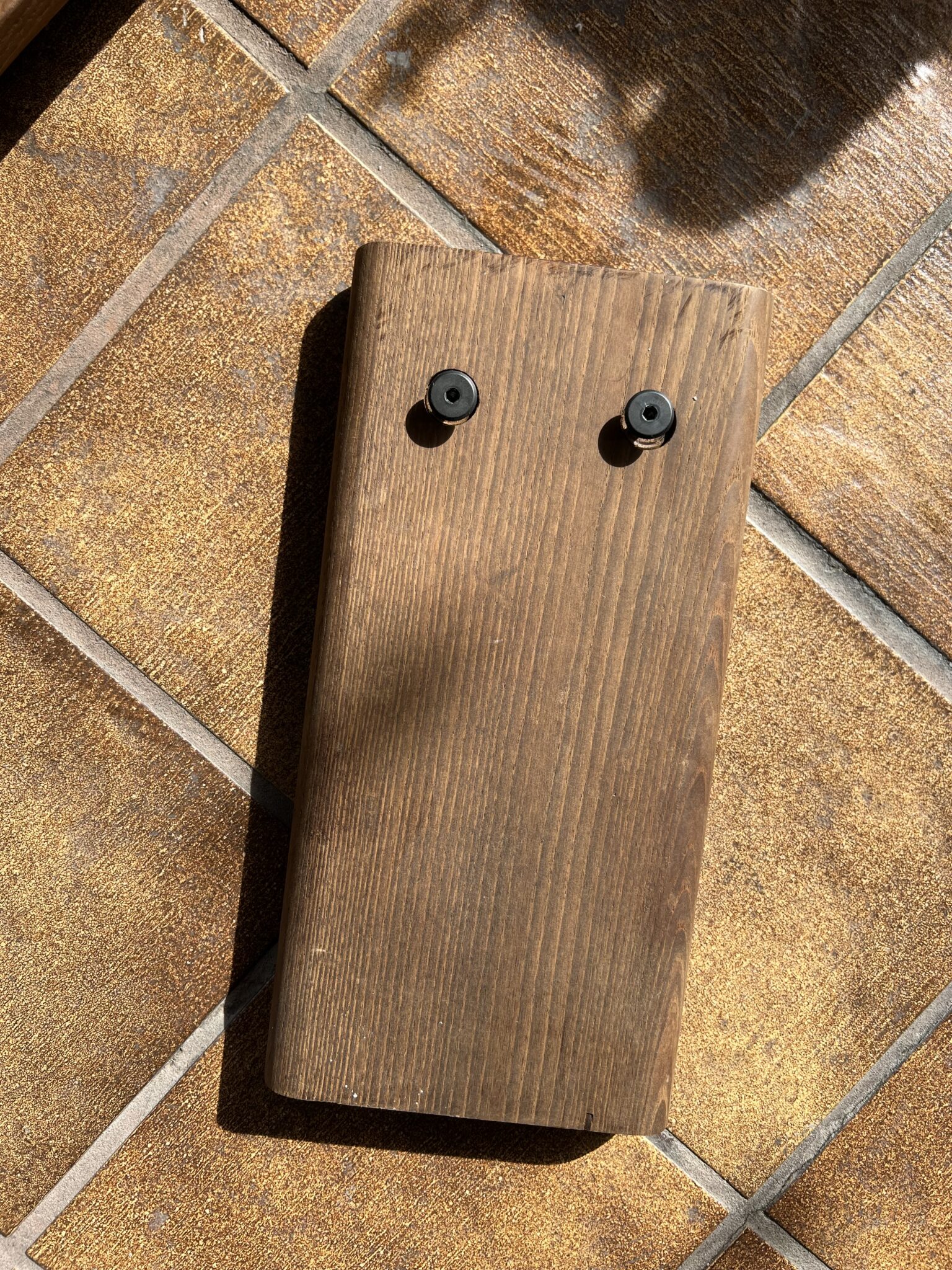
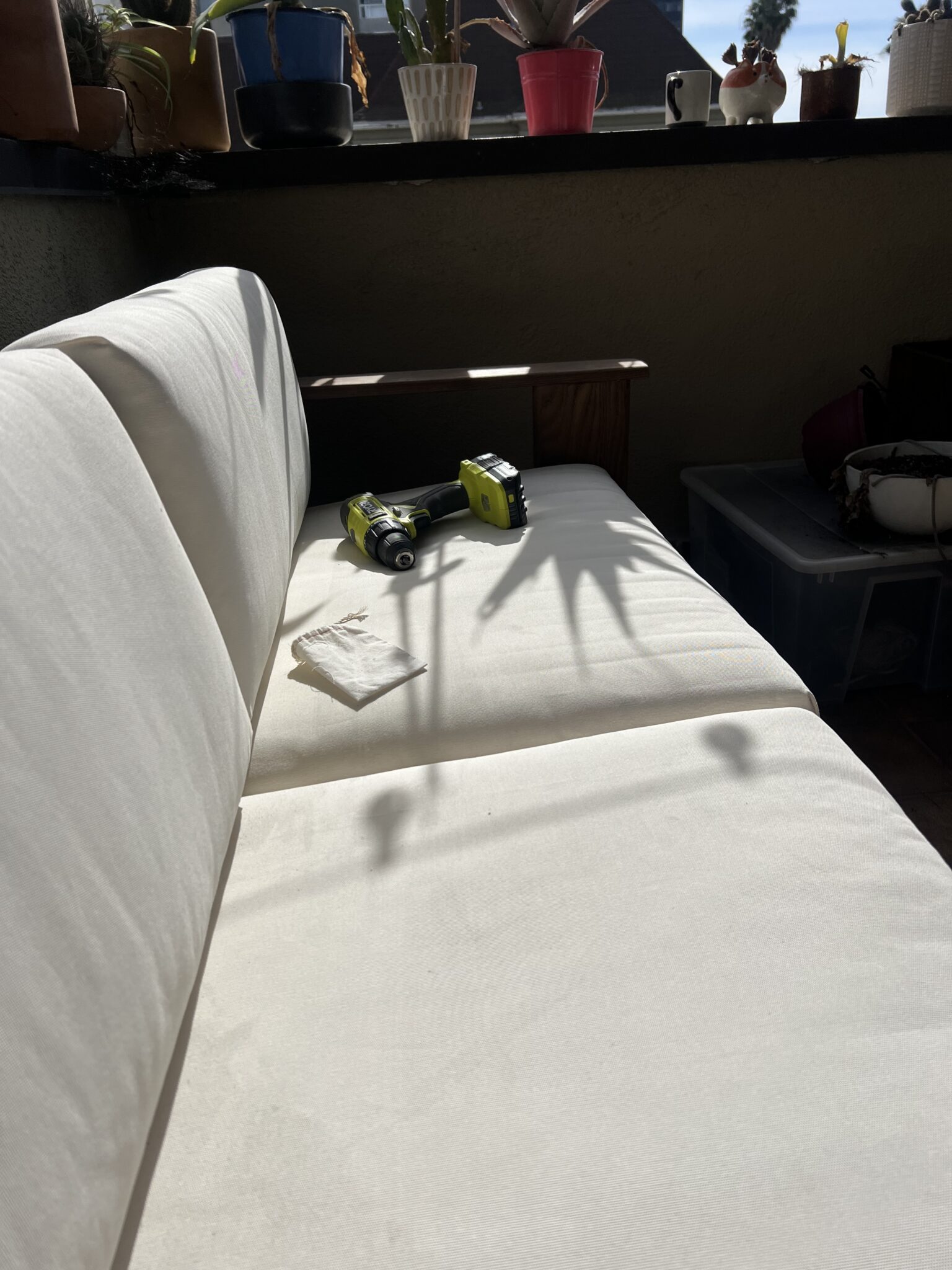
Not everything arrived perfectly. The tray portion of the ottoman — the piece that sits on top of the legs and underneath the cushion — showed up with a broken frame, likely bumped during transit. Sabai’s response was fast, and they sent a replacement piece quickly, which felt in line with their emphasis on repairability and keeping furniture in use rather than scrapping it entirely.
Is Sabai’s Bacana comfortable?
Comfort is one of the most important factors of outdoor furniture for me, since I want every excuse to be outside as much as possible. The Bacana’s cushions land in that medium-firm zone: supportive enough that you don’t feel like you’re sinking, but not so stiff that they’re uncomfortable. The seat depth is noticeably shallower than my indoor Sabai sectional, which keeps you in a more upright position — which makes it better for reading, journaling, or working on a laptop rather than for full-on sprawling. If you’re looking for a deep, slouchy outdoor lounge, this won’t quite scratch that itch.
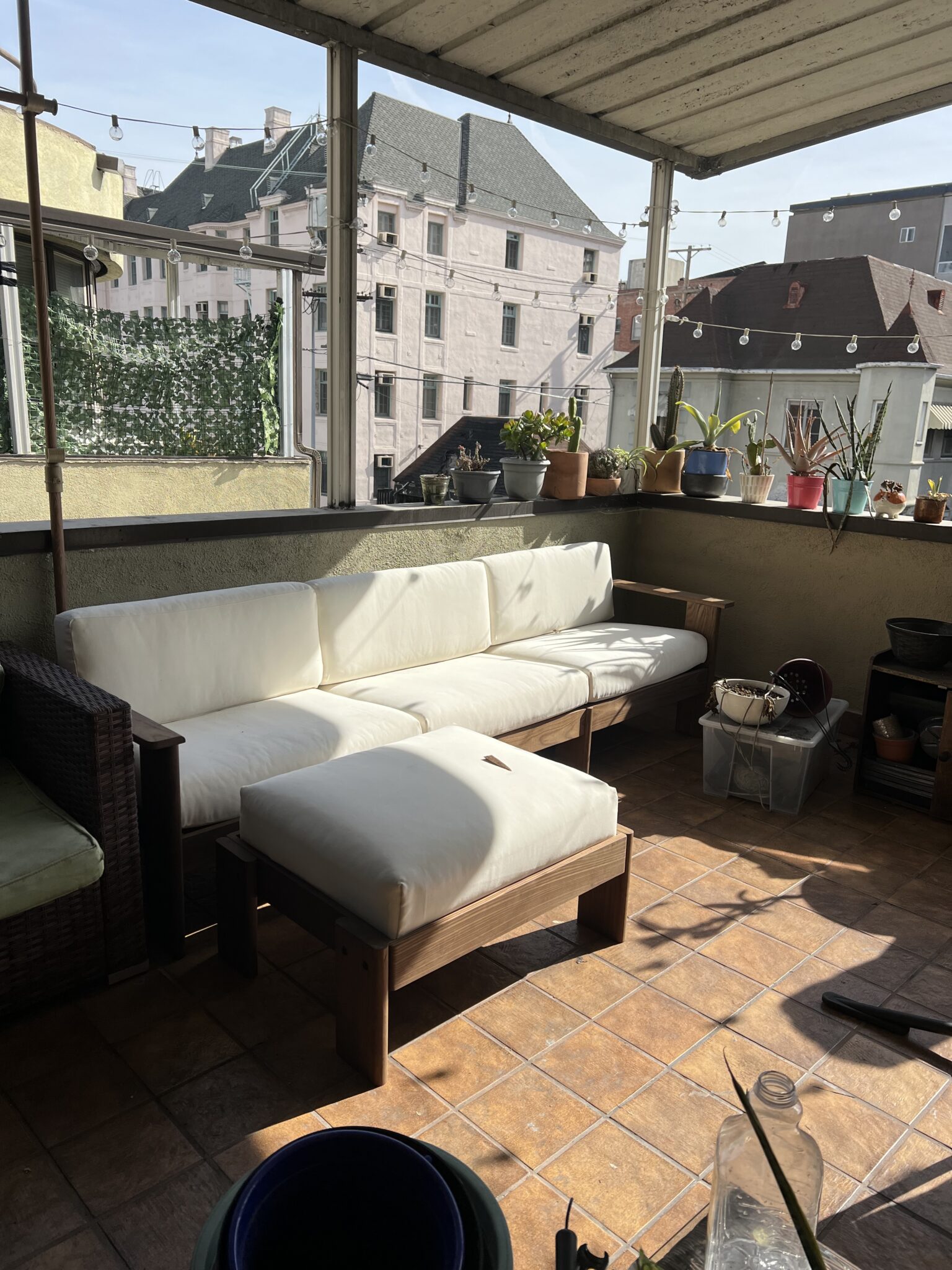
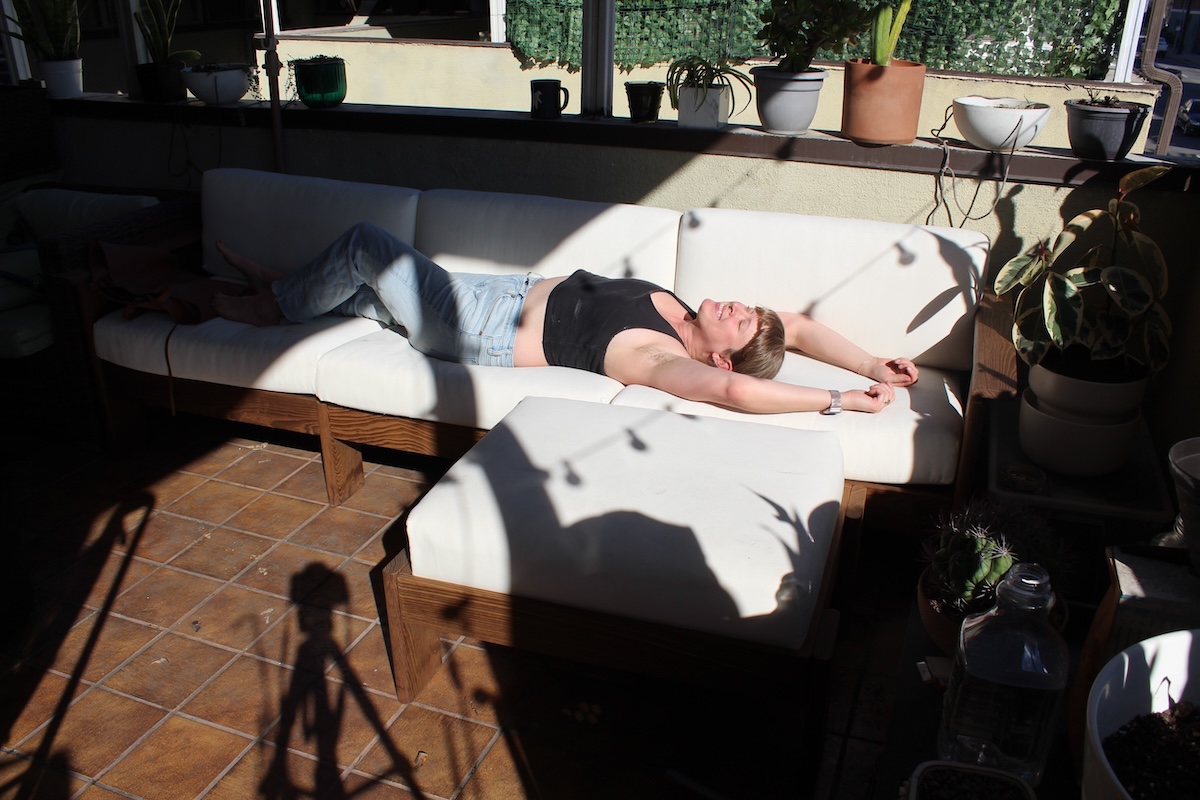
The fabric is certainly designed for the outdoors (it’s not as soft as interior upholstery). You might think it’s a polyester blend, but it’s actually made using Bananatex, a biodegradable, plant-based fabric. It’s not treated with flame retardants, and is PFAS-free, too!
“You might think it’s a polyester blend, but it’s actually made using Bananatex, a biodegradable, plant-based fabric.”
One thing I really appreciate is that the cushions stay put. My old Amazon set relied on thin straps around the back, and the cushions shifted constantly; with the Bacana, the frame holds everything in place, so you’re not constantly nudging things back into alignment.
I do wish the sofa came with throw pillows, because the wooden arms aren’t especially comfortable as a headrest if you stretch out lengthwise — though they are the perfect width for a coffee cup, book, or phone.
I’ve had the sofa and ottoman on my covered patio since the start of January, and they’ve already endured close to six inches of rain, plus plenty of wind, dust, and soot from the street below. The fabric, even without the chemical treatments, feels fairly water resistant (not fully waterproof): rain beads up to a point, and while I’ve noticed some yellowish water lines on the upholstery where water gathers.
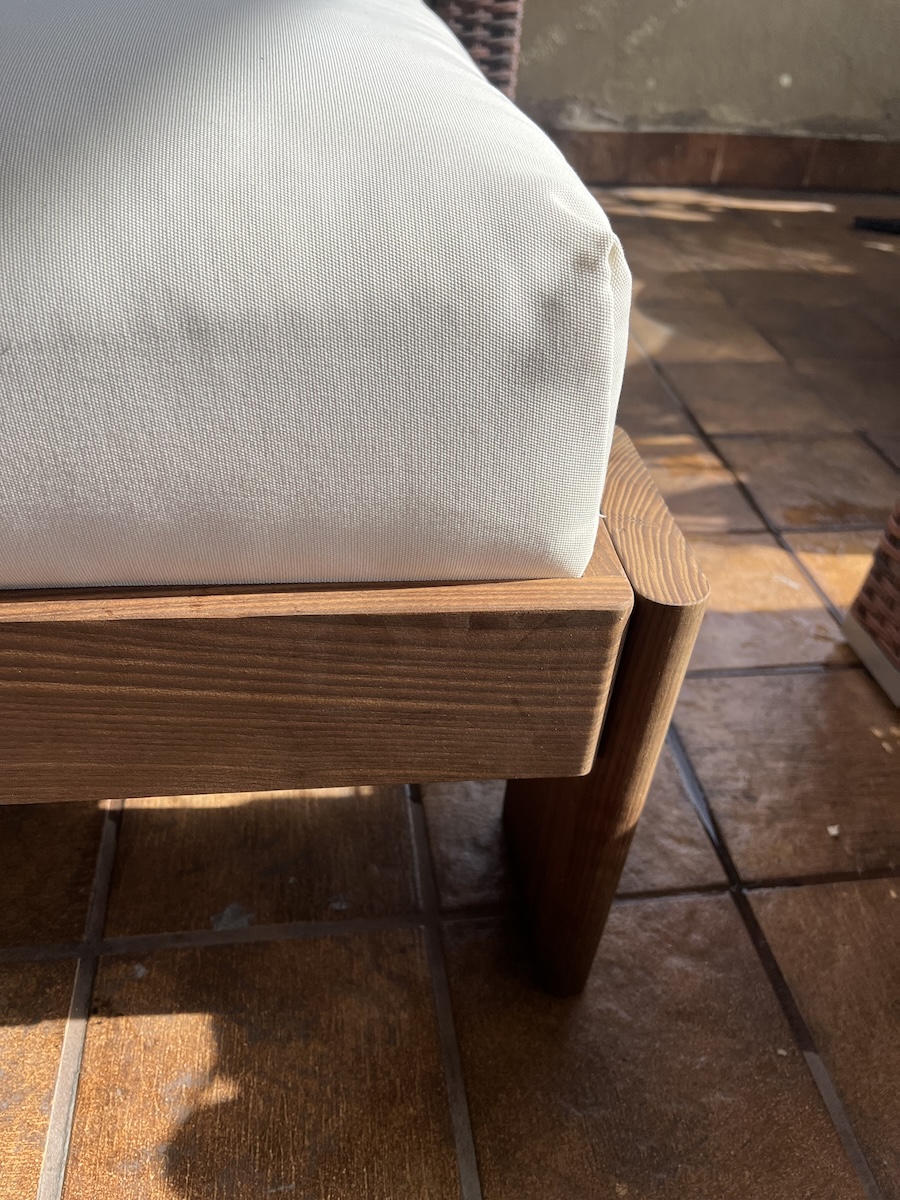
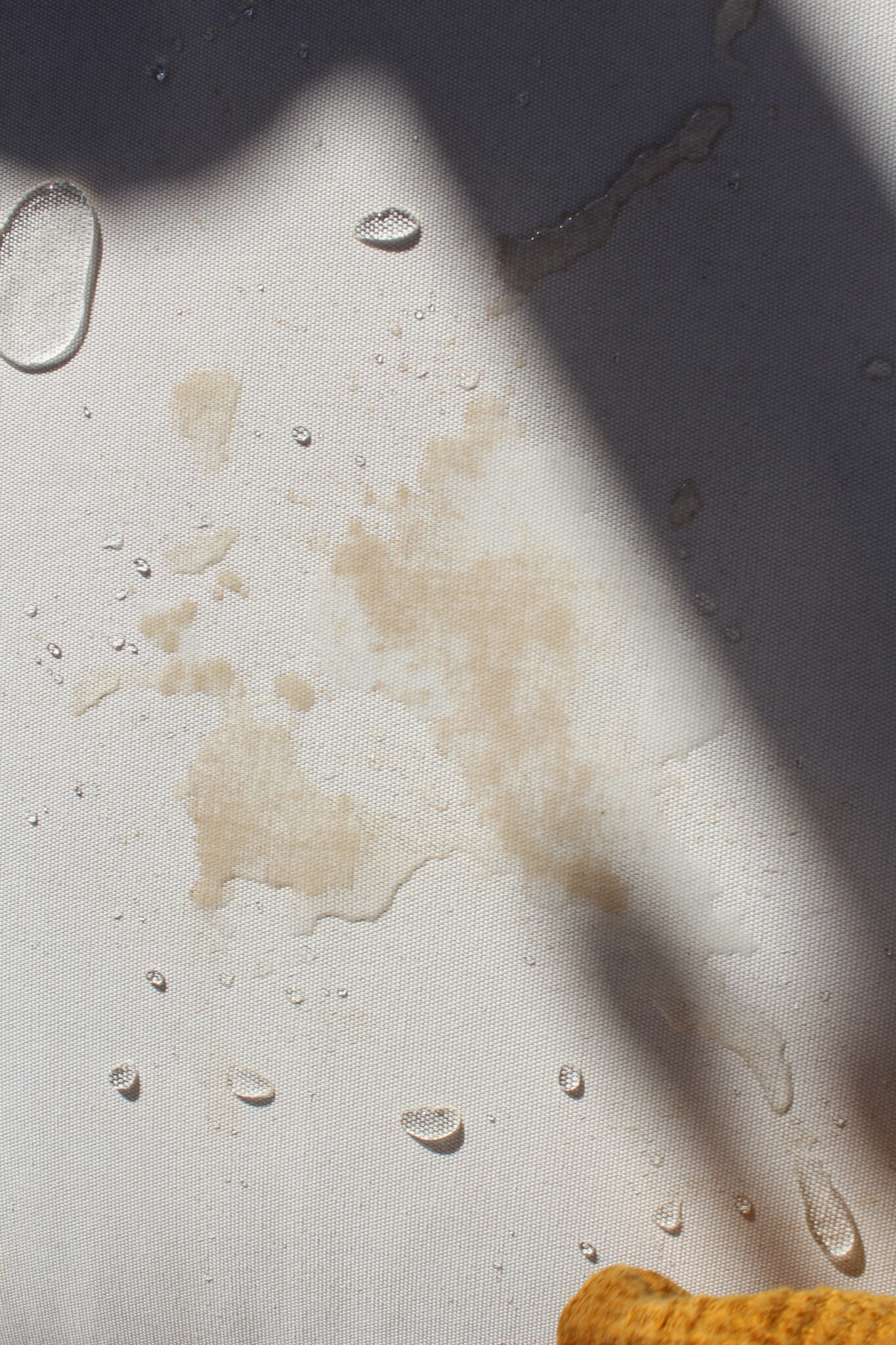
However, I don’t see any staining on the cushions underneath! Sabai also makes furniture covers for the Bacana collection in case you want to protect your pieces during rainy seasons.
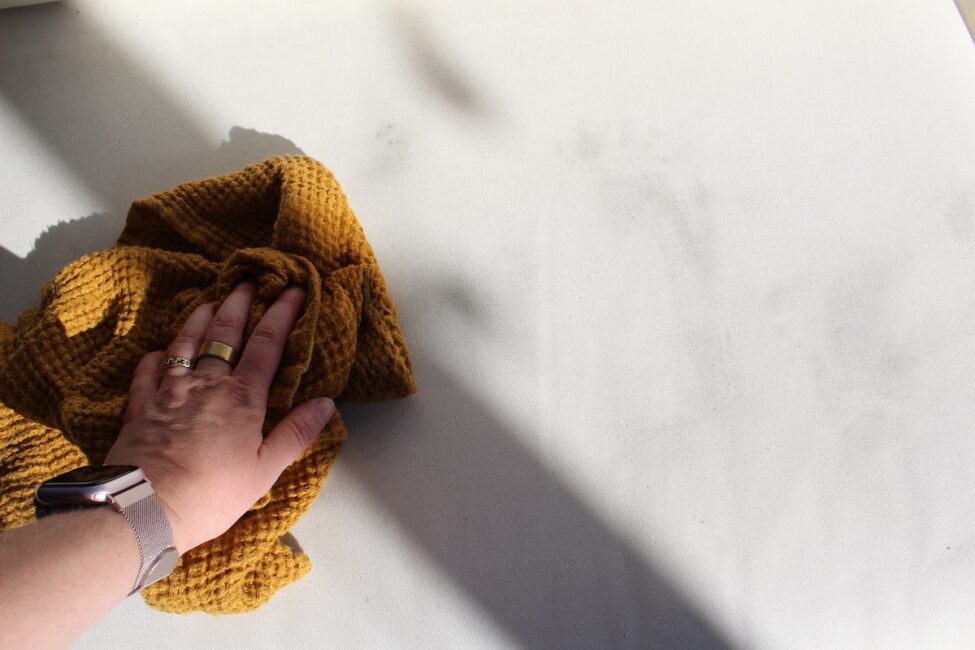
Day to day, the light upholstery does show everything, especially on a busy Los Angeles street corner that has lots of dust and debris from traffic. If I walk out barefoot and accidentally put a heel on the cushion, it leaves a clear footprint. Brushing it off with my hand helps, and a damp cloth takes care of most marks, but this is not a “you’ll never see dirt” situation. The same goes for spills: I tested a coffee spill, as you can see below, and most of it wiped up easily with only a portion soaking through. After a couple days, I washed the cushion cover and it came back as good as new!

As for the frame, the wood feels sturdy and looks great — somewhere between matte and glossy, with a color that reads warm and intentional. After some further reading, I found that Sabai recommends a finishing oil like this one, which I will likely use to protect it and give it further shine.
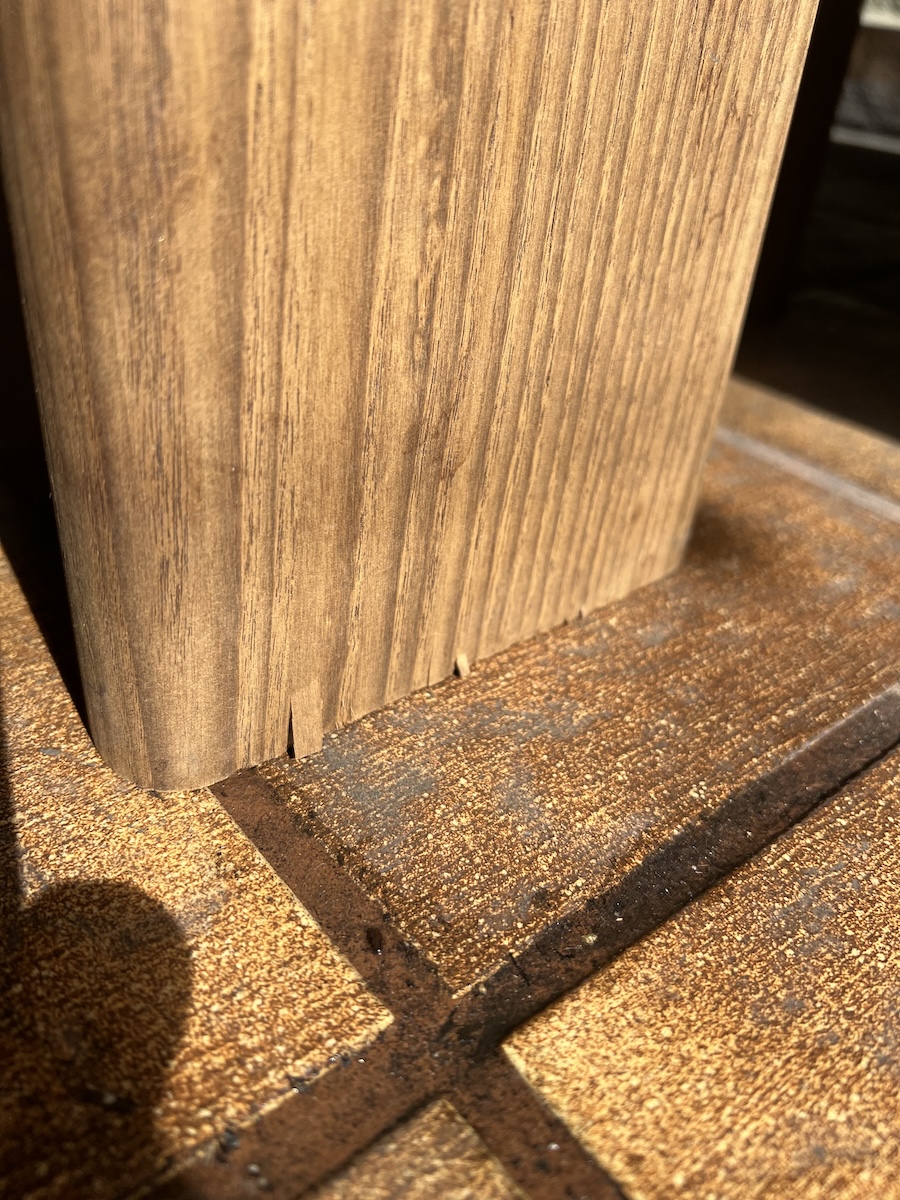
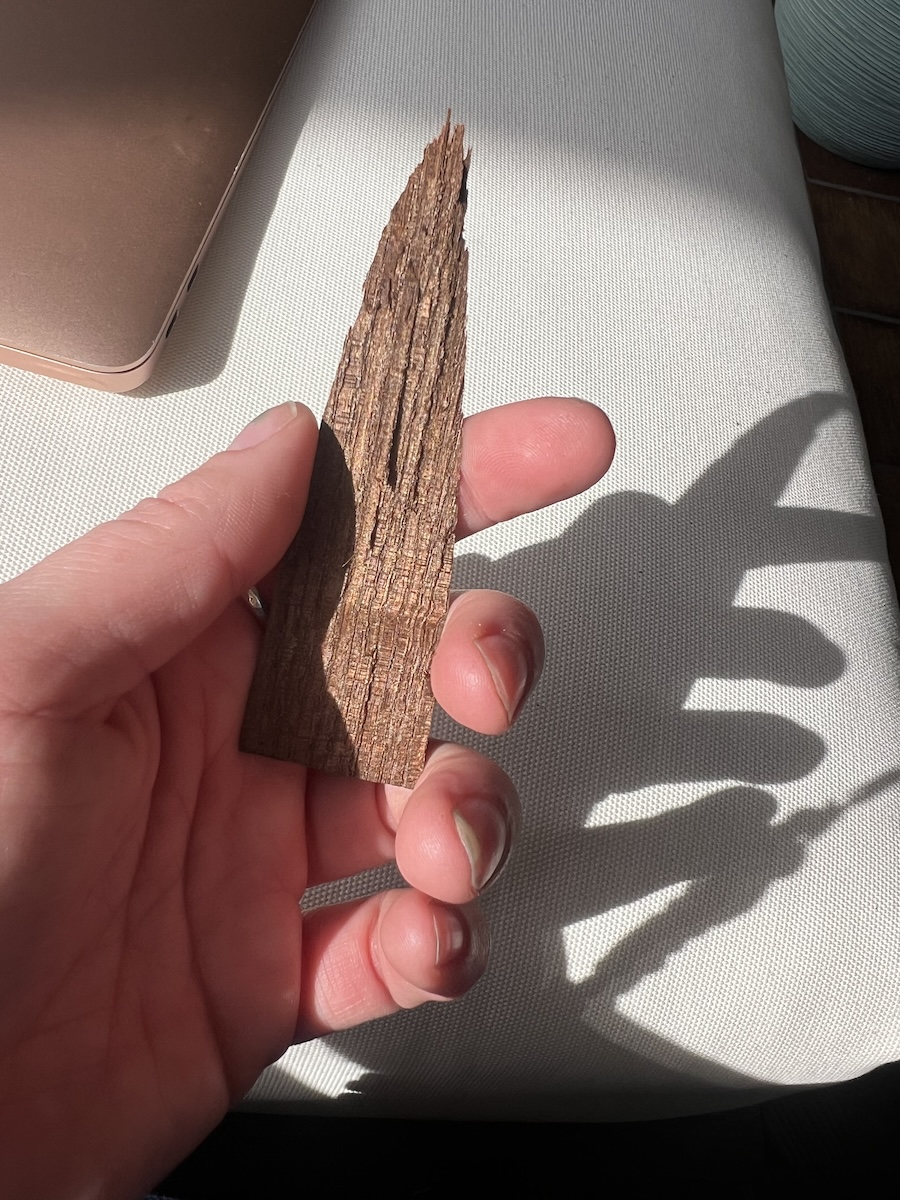
The one downside is that this wood doesn’t hold up strongly to being dragged over the grouted grooves in my tile patio. If I scoot the sofa, I can see a bit of flaking or scuffing on the legs, and a piece even chipped off (it made its way into my house and became an instant hit toy with my cats). So, as a person who rearranges furniture by myself frequently, I have to be careful!
“As a person who rearranges furniture by myself frequently, I have to be careful!”
On a smoother surface or with an outdoor rug underneath, I’d expect far less wear. I do wish the legs came with adhesive protective pads or cork bottoms; it’s something I’ll probably DIY, just to extend the life of this lovely seating.
Is Sabai outdoor furniture worth it?
While the Bacana doesn’t feel “luxury” in the sense of white-glove delivery or heirloom joinery — you’re still assembling it yourself — the materials do feel solid and intentional in person. The frame is sturdy, the materials look considered rather than plasticky, and it’s the kind of piece I can actually imagine keeping through multiple homes.
“It’s the kind of piece I can actually imagine keeping through multiple homes.”
If I ever daydream about moving, I catch myself scrolling listings with outdoor spaces and mentally asking, “Would my Bacana fit there, though?” It’s like a new pet or roommate that I keep in consideration if I ever look at other spaces; not a way I would ever have thought about outdoor furniture before.
Repairability is a big part of why the value lands for me. Sabai makes it possible to order replacement parts and cushions, and I’m already eyeing this for my indoor Sabai sectional after many, many coffee spills. Oops!
When the brand was super quick to send a replacement for the broken ottoman piece, it made their “fix, don’t replace everything” ethos feel real rather than theoretical. The made-to-order model also matters here: it means a longer lead time, but it also means they’re not churning out excess inventory just to sit in a warehouse.

As I mentioned before, Sabai also offers dedicated outdoor covers for the Bacana line, which I think matters for the value conversation. The Bacana outdoor covers range from $150 to $275, and are worth keeping an eye on for sales; if you’re already investing in this furniture, adding a cover (or covers) feels like a smart way to protect this investment.
“Adding a cover (or covers) feels like a smart way to protect this investment.”
Price-wise, this is undeniably expensive for outdoor furniture (in my book). My last outdoor furniture set cost around $ 500 brand new on Amazon, and it served its purpose at a bare minimum. Eventually, the plastic legs came off, it got wobbly and disjointed (don’t we all?), and the upholstery faded with a few spots of mildew. But at the price and the length of time I owned it, if it got ruined, it was annoying but not heartbreaking. (That being said, I still have it and it’s perfectly functional — so I’m going to share it with my neighbors or otherwise find it a good home!)
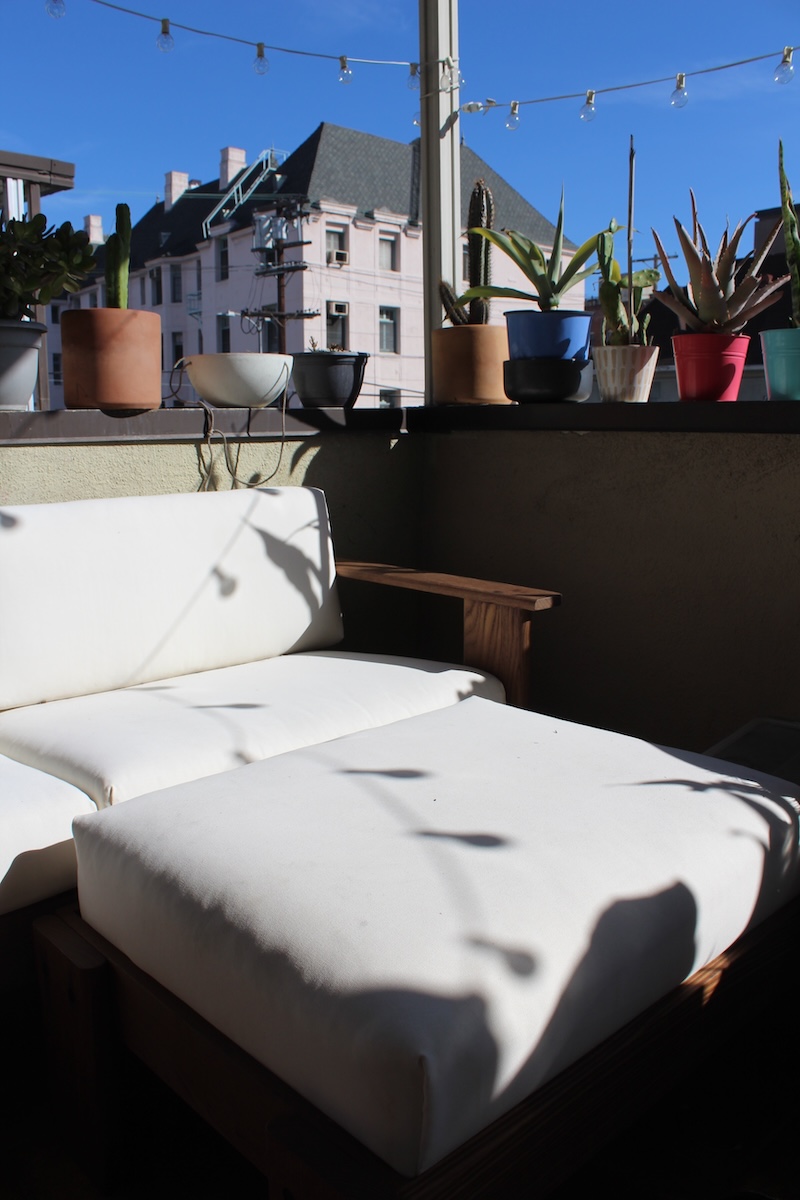
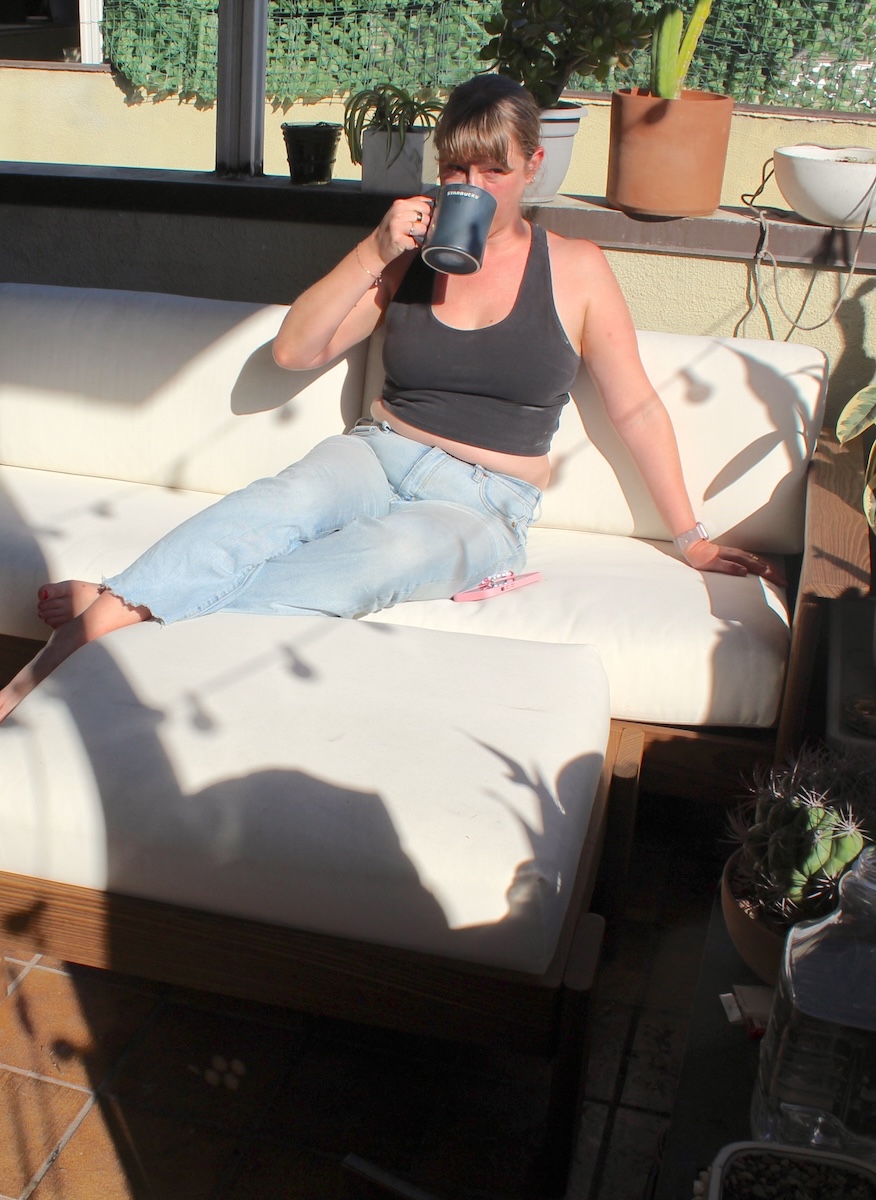
The Bacana is different. I feel more protective of it — especially with the light upholstery — and I’m proud to have it on my patio, and it aligns more closely with how often I’m actually out there.
“You spend more money up front, you invest effort in assembly, and you probably want to be more mindful about care.”
There are trade-offs. You spend more money up front, you invest effort in assembly, and you probably want to be more mindful about care (like using an outdoor rug, not dragging it across rough surfaces, wiping things down). In exchange, you get a piece that’s made to order, designed to be repaired, and genuinely nice to live with.
For someone who just wants “a place to sit,” I’d still say check Facebook Marketplace or a secondhand set and maybe reupholstery options. But for a sustainably minded person with an outdoor space that’s accessible most of the year, the Bacana’s value feels much easier to justify.
Is the Bacana worth it?
For an outdoor piece of furniture, I’d say this is quite high for average consumers who just want somewhere to sit. If your priority is simply “a place to have a drink outside,” I’d still point you toward Facebook Marketplace or a secondhand set and, if you’re feeling ambitious, adding your own custom upholstered pillows — especially if you live somewhere with wild weather fluctuations.
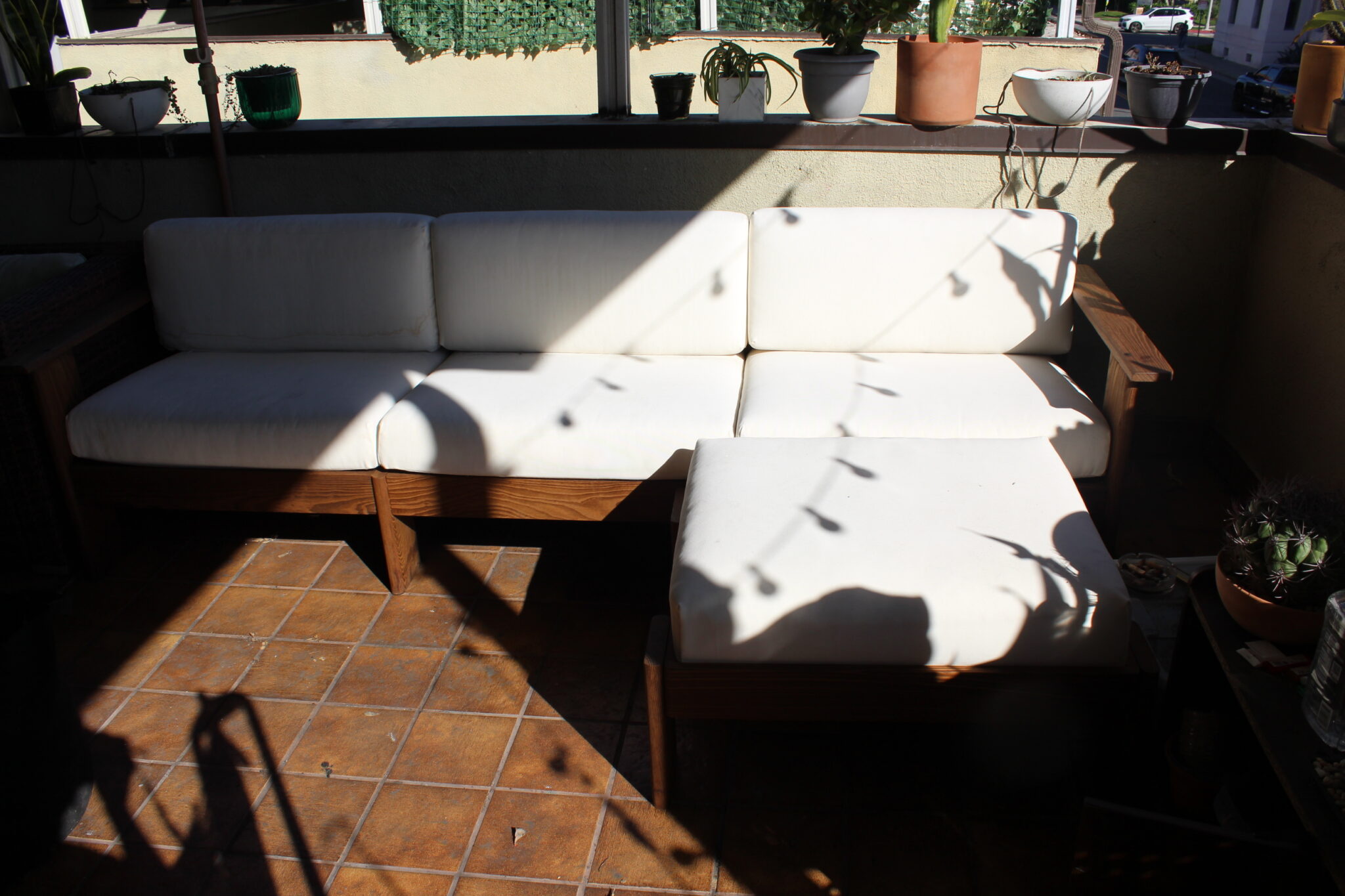
Where the Bacana starts to feel more justifiable is if you’re always in your outside space and treat it like a second living area. I spend half of my day (at least) on this outdoor furniture on sunny days, so it’s a worthwhile addition to my home in so many ways.
“The Bacana starts to feel more justifiable is if you’re always in your outside space and treat it like a second living area.”
I will say, assembly is part of this value equation. You’re not just paying for the sofa and ottoman; you’re signing up to lift heavy boxes, break them down, and spend several hours putting everything together. I think the Bacana is a good fit for people who aren’t afraid of that kind of project and maybe even find some satisfaction in it. If the thought of a 4–5 hour assembly day makes you want to abandon the idea entirely, the price is going to feel even harder to swallow.
For me, this furniture finds a balance between quality and aesthetic vs. cost and ease of assembly. It’s not the most convenient or budget-friendly option, but it offers a combination of design, comfort, and long-term repairability that I haven’t seen in cheaper sets. (And, frankly, I’m happy to not support Amazon).
If you’re a frequent patio person who cares about those things, the Bacana has a strong case.
Emily McGowan is the Editorial Director at The Good Trade. She studied Creative Writing and Business at Indiana University, and has over ten years of experience as a writer and editor in sustainability and lifestyle spaces. Since 2017, she’s been discovering and reviewing the top sustainable home, fashion, beauty, and wellness products so readers can make their most informed decisions. Her editorial work has been recognized by major publications like The New York Times and BBC Worklife. You can usually find her in her colorful Los Angeles apartment journaling, playing with her two cats, or crafting. Say hi on Instagram or follow along with her Substack, Pinky Promise.