dailynewsnblog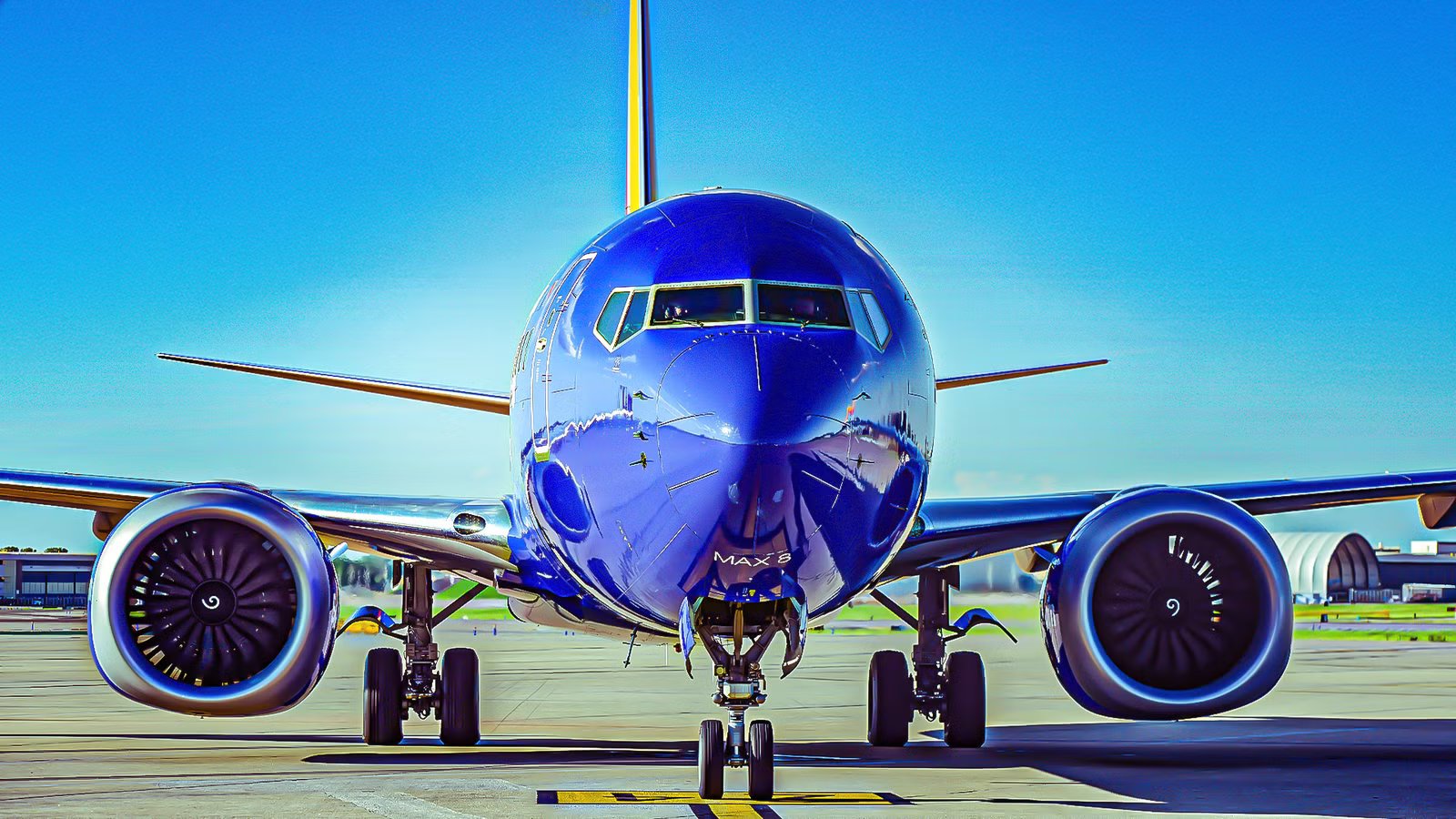
The  Boeing 737 MAX has gone from one of the most scrutinized aircraft programs in modern aviation to one of the most important workhorses of the global commercial narrowbody market. For airlines, it is now a core piece of pretty much every major North American fleet. The jet is an extremely fuel-efficient single-aisle jet used on everything from short domestic hops to longer regional and leisure routes. For Boeing, the MAX is even more significant. It is the company’s most important commercial program by volume, and its main challenger to the bestselling Airbus A320neo family.
The jet itself also serves as a major driver of deliveries, cash flow, and overall long-term order activity. As of late February 2026, industry and Boeing delivery data indicate that about 2,200 Boeing 737 MAX family aircraft have been delivered all across the world, a figure that underscores how deeply the jet is now embedded in airline operations despite the program’s troubled early years. That makes the key question significantly less about whether the aircraft actually matters and more about how large its footprint has become. Any attempt to understand the current short-haul airline market, Boeing’s recovery story, or the future of single-aisle competition has to start with the Boeing 737 MAX and the scale at which the jet currently operates.
A Brief Overview Of The Boeing 737 MAX And Its Capabilities

The Boeing 737 MAX is the latest-generation version of Boeing’s long-running and best-selling Boeing 737 narrowbody family, an aircraft family that was designed by the manufacturer with the unique purpose in mind of offering airlines better overall fuel efficiency. This, in turn, would allow the aircraft to offer lower operating costs and improved range over earlier Boeing 737 narrowbody models. The Boeing 737 remains the best-selling narrowbody aircraft of all time, and the manufacturer has sold multiple different generations of upgrades to the type.
The jet itself comes in several variants, most notably including the 737 MAX 8, the much higher-density 737 MAX 8-200 (which has proven popular with one particular low-cost operator), the 737 MAX 9, and the 737 MAX 7 and 737 MAX 10, both of which have yet to attain type certification from the relevant regulatory authorities. Boeing markets the aircraft as a fundamentally more efficient and flexible single-aisle platform, and the company says that the MAX family cuts overall fuel use and carbon emissions by around 20% when compared with previous-generation aircraft, making it especially appealing to cost-conscious operators.
In practical terms, that makes it attractive to airlines that are interested in reducing costs while serving a wide range of routes with just one aircraft family. The plane’s importance, however, is shaped quite a bit by more than just performance. The aircraft’s name is inseparable from multiple crashes, groundings, recertification periods, and intense regulatory and public scrutiny. Today, the jet is still a mainstream fleet tool while its name carries a large amount of baggage with the public and Boeing’s investors. This leaves it with a mixed reputation despite being incredibly widespread.
What Operators Have Ordered the Boeing 737 MAX?

The Boeing 737 MAX has been ordered by a very diverse mix of airlines rather than just a small club of legacy operators. Boeing has indicated that the MAX family aircraft have been ordered by more than 100 customers all across the globe. The manufacturer has recorded around 7,000 firm orders, which means the operator base now spans legacy network carriers, low-cost giants, leisure airlines, and fast-growing newer entrants into the field.
In North America, notable airline customers include Southwest Airlines, United Airlines,  American Airlines, Alaska Airlines, and WestJet. In Europe, Ryanair is one of the defining buyers of the MAX, with Boeing describing its 2023 deal for up to 300 MAX 10 aircraft as the airline’s biggest individual Boeing order on record. In Asia, Boeing has recently added or expanded commitments for the type from Air India, Vietnam Airlines, and Air Cambodia, all while Ethiopian Airlines has also enlarged its MAX order book in Africa.
This list is broader because there are some airlines that ultimately take on MAX aircraft through lessors, so not every future operator appears only through direct airline purchases. The bigger point here is that the MAX order book is now global and multi-segment, with large incumbents using it for fleet renewal and low-cost carriers using it for the continued modernization of their offerings on short-haul routes. Growing airlines use the jet to expand regional and medium-haul networks in a more effective fashion. That range of customers is a big reason that the 737 MAX remains central to Boeing’s overall commercial strategy.

Here’s How Different The Boeing 747-8’s Engines Are Compared To The 787
Discover the surprising design differences between the engines of the Boeing 747-8 and 787 Dreamliner, and how they impact performance.
How Many Boeing 737 MAX Jets Have Been Delivered?

According to the latest delivery figures, which are updated by manufacturer Boeing every month, Boeing has delivered around 2,200 aircraft from the Boeing 737 MAX family. This figure undoubtedly stands out as a milestone in Boeing’s overall recovery. The program undoubtedly suffered a prolonged global grounding after the Lion Air and Ethiopian Airlines crashes, all before facing years of delivery disruption tied to certification, stored-aircraft rework, and production-quality scrutiny.
Even then, the MAX has re-established itself as Boeing’s commercial backbone. Boeing’s own orders-and-deliveries tracker is current through February 28, 2026, and industry reporting based on Boeing’s January data puts cumulative 737 MAX deliveries at 2,157 aircraft. Boeing delivered another 43 737 MAX jets in February, bringing us to the running total of around 2,200 by the end of that month.
This means that the MAX is no longer just a comeback story but rather a large, deeply embedded element of global fleets. The jet flies extensively for network airlines, low-cost carriers, and lessors across multiple continents. The aircraft is also a core piece of Boeing’s financial success, as every additional MAX delivery matters because narrowbody handovers are the company’s main source of overall cash generation.
What Exactly Is Going On With The Boeing 737 MAX 7 And MAX 10?

The 737 MAX 7 and 737 MAX 10 are not simply awaiting a rubber stamp, a key differentiation for observers to keep in mind as they analyze the program. They are in the final stretch of a long and unusually scrutinized certification campaign that has become a test of both Boeing’s overall engineering discipline and the FAA’s tougher post-crisis oversight plans. The MAX 7 is set to be the smallest member of the family, while the 737 MAX 10 will enter service as the largest.
Boeing has made real progress in the certification process, with the company indicating in January 2026 that the FAA had approved the MAX 10 to begin the final phase of certification flight testing. Progress, however, has not meant closure. Both variants have been slowed by the need to resolve an engine anti-ice system issue before certification can be completed, and regulators have made clear that approval will come only after Boeing demonstrates complete fixes.
In overall practical terms, that means airlines waiting for these jets are still dealing with schedule uncertainty, even if Boeing continues to target certification in 2026. Thus, the story here is not just a delay for the sake of delay. Rather, it is a reminder that, after everything the MAX program has been through, the final two variants are being forced to clear a far higher safety bar before passengers ever step onboard the jet.

All The Airlines Waiting For Boeing To Certify The 737 MAX 10
With regulatory obstacles pending and airlines awaiting final approval, all eyes are on Boeing’s largest single-aisle aircraft, the 737 MAX 10.
How Many Boeing 737 MAX Jets Are In Service?

In order to get a figure for how many Boeing 737 MAX jets are in service, we can subtract the total number of airframes removed from service from those delivered. For this, there are pretty much just two examples, and they are the tragedies of Lion Air Flight 610 in October 2018 and Ethiopian Airlines Flight 302 in March 2019.
These two airframes were permanently destroyed, making them the only two write-offs in the family’s history. Other removals from service have been temporary and not permanent. After a door plug incident in January 2024, for example, the FAA grounded 171 737 MAX 9 jets, but those airframes did eventually return to service following extensive inspections.
Using Boeing’s official data through last month, the 737 MAX family has reached about 2,200 deliveries by the end of February. Removing two of the destroyed airframes gets us an estimated in-service fleet of around 2,198 MAX family jets. This is a broad fleet estimate, with the actual number being flown on any day landing much lower.
What Is Our Bottom Line?

At the end of the day, the Boeing 737 MAX is undeniably a capable short-haul workhorse, a model that was built and designed to serve as a leading narrowbody for years to come. The family has entered service across the globe in massive numbers, becoming a key piece of most global fleets.
There are, however, big shadows over the family’s history of operational service. For example, it is impossible to even answer the question of how many airframes are in service without having to acknowledge the two tragedies that occurred in the late 2010s. Therefore, the aircraft’s reputation is a bit more complicated than a naive analysis would lead you to expect.
Then there is the bigger question of certification delays, which continue to put pressure on Boeing and the company’s bottom line. Shareholders are growing tired of these kinds of delays, which have a major impact on the airline’s finances, and they certainly do not make customers happy.