dailynewsnblog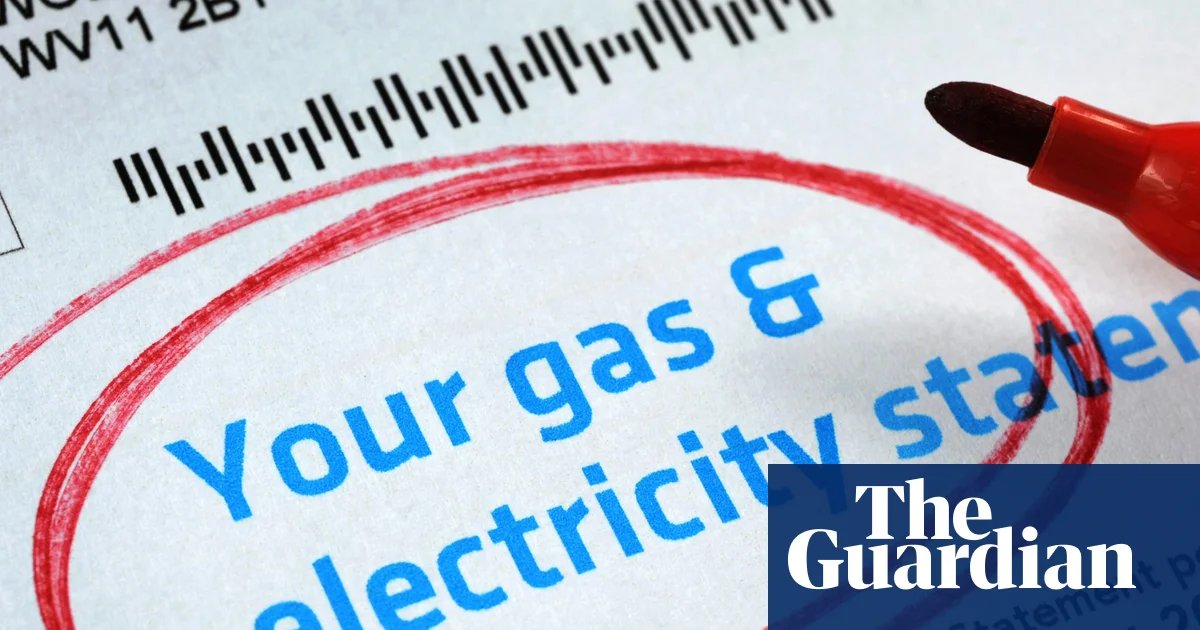
High levels of debt on essential bills have become the “new normal” for many low-income households, the charity StepChange said on Monday, with average arrears for housing, utilities and council tax all going up last year.
People’s budgets have been stretched in recent years as they have faced higher prices for many goods and services, and the crisis in the Middle East has led to concerns over a new wave of increases.
Figures from the debt charity show that its clients were already struggling with growing arrears. Despite slower growth in mortgage costs and rents in 2025, the debt charity said its clients had fallen increasingly behind on related payments. Average rent arrears climbed by 15% to £2,372, while average mortgage arrears grew by 22%, from £10,239 in 2024 to £12,534 in 2025.
StepChange’s data shows there were significant numbers of households behind with energy bills, even though prices had fallen from the highs of 2022. Over a third of clients were in debt to energy companies, which was down from 40% in 2024, but the average debt had grown by £220 to £2,560.
Two in five of the clients seen by the charity over the year were receiving universal credit, and three in five lived in rented accommodation.
Vikki Brownridge, the chief executive at StepChange, said: “The reality is that rising essential bills and with that rising arrears types across housing, energy, and consumer credit debt, have become the new normal for many households.
“The cost of everyday essentials remains prohibitively high for many households, and our client data has reflected this pressure for several years. Rising household arrears show little sign of slowing down.”
The charity is calling for more action from the government to prevent people from falling into debt just to meet essential costs. It wants to see national social tariffs for energy and water, which Brownridge said would “bring costs back down to a level that is affordable for those with low incomes or high needs”.