dailynewsnblog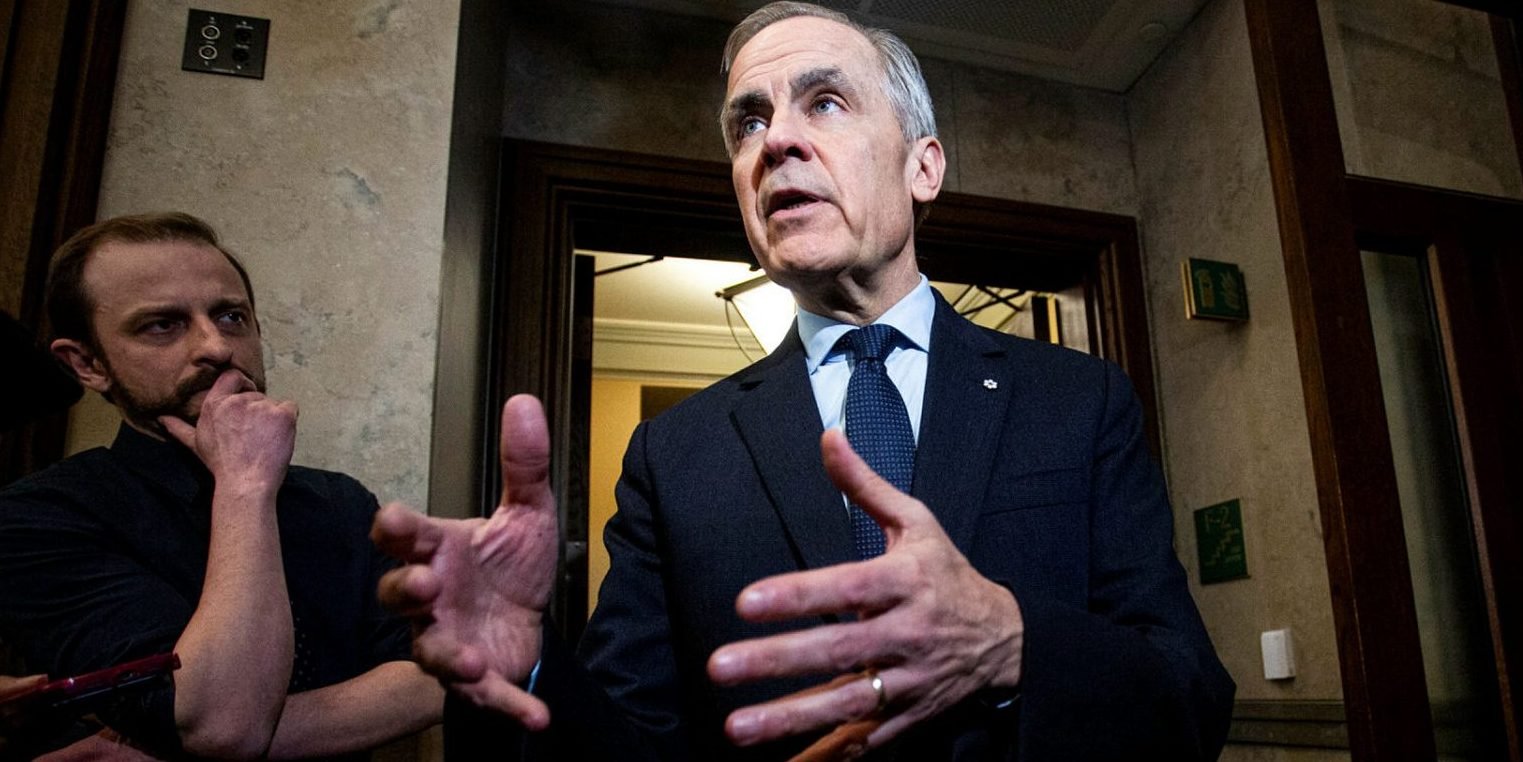
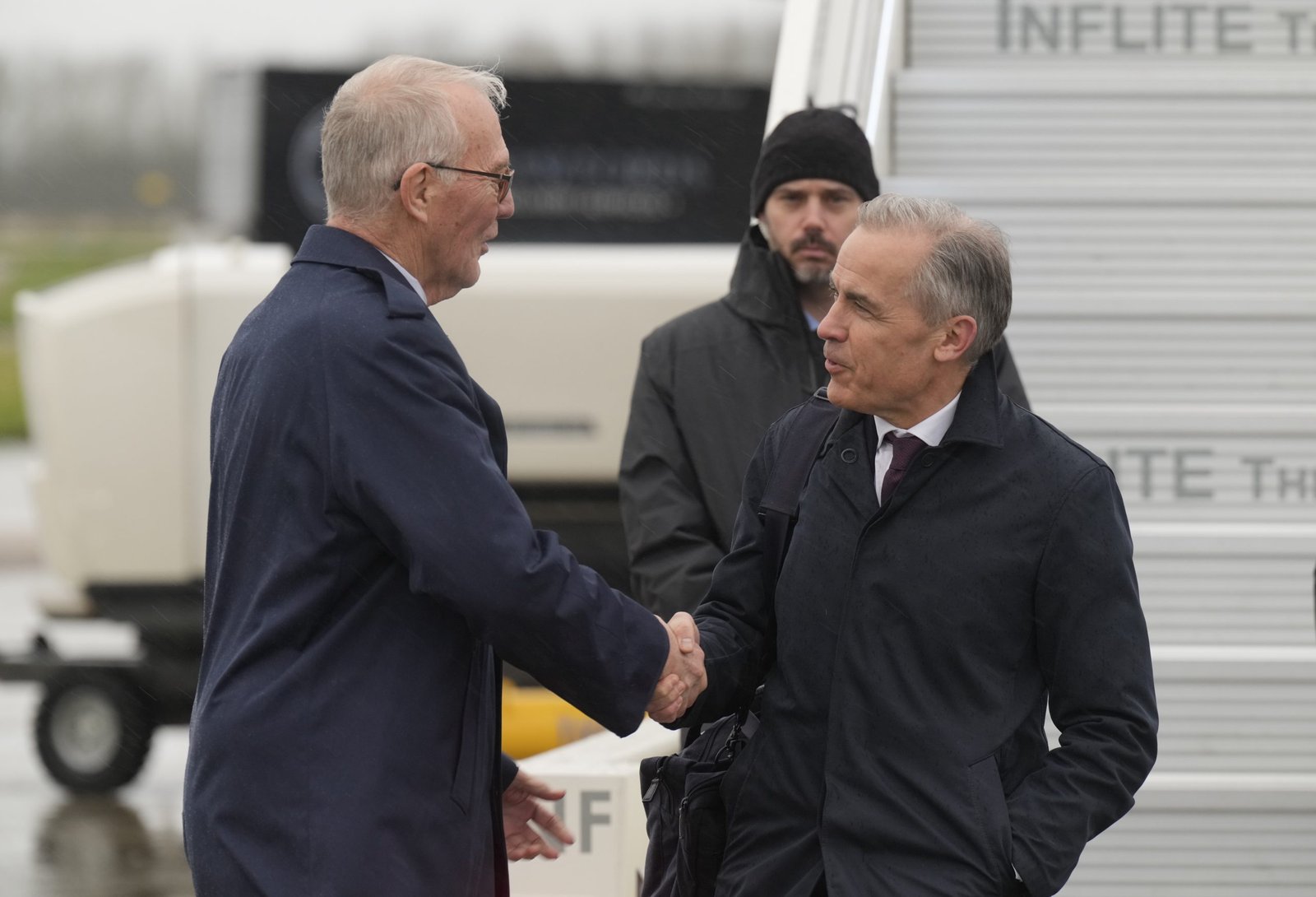
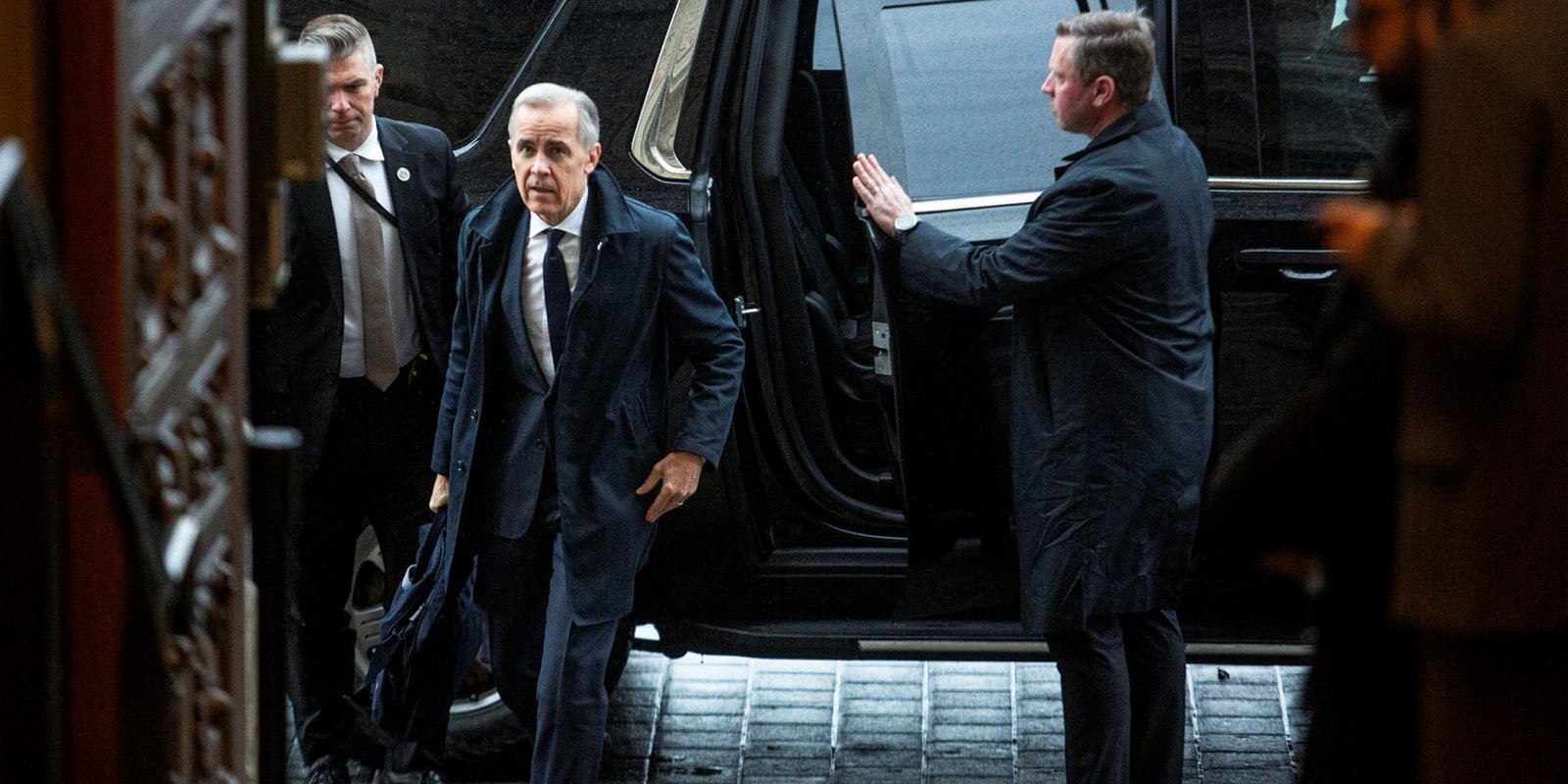
OAKVILLE, ONT.—Everything seemed to be going so well for Prime Minister Mark Carney as he sped along the political highway to success, but then he hit a bump in the road.
I’m referring, of course, to Carney’s “flip-flop” on the United States-Israel attack on Iran, which some argue has exposed the prime minister’s weakness as a leader.
SPONSORED CONTENT
-
Canada’s Defence Industrial Strategy – Time to Build.
But is flip-flopping in politics really that much of a sin?
I don’t think so.
However, before we get into that, let’s review what happened.
Initially, in the early days of the American-Israeli military offensive on Iran on Feb. 28, Carney seemed supportive of the action.
In his words, “Canada supports the United States acting to prevent Iran from obtaining a nuclear weapon and to prevent its regime from further threatening international peace and security.”
As Sean Speer, editor of The Hub, noted, “the statement was probably amongst the most hawkish and positive with respect to America’s offensive of any world leader across the board.”
But then, just a few days later, Carney seemed to change his course.
Get Weekend Point of View Newsletter
Top Canadian political and policy opinion and analysis. Saturdays and Sundays. Weekends.
By entering your email address you consent to receive email from The Hill Times containing news, analysis, updates and offers. You may unsubscribe at any time. See our privacy policy
In fact, he released another statement condemning the U.S.-Israeli attack on Iran, saying “the United States and Israel have acted without engaging the United Nations or consulting with allies, including Canada.”
It’s almost as if Carney was trying to stake out a middle stance.
But as former British prime minister Margaret Thatcher once stated, “standing in the middle of the road is very dangerous; you get knocked down by the traffic from both sides.”
Indeed, that’s what happened to Carney.
When he made his statement seemingly supporting the attack, those who opposed the war assailed him; then, when he flip-flopped, those who supported the war assailed him.
More importantly, he came across as indecisive, which is a trait no leader wants to exhibit.
Now there’s lots of speculation going on in the media as to why Carney decided to do a U-turn on the war.
Was he reacting to the polls? Was a rebellion brewing within his own party? Was he afraid the war would go badly?
And while that’s an interesting discussion, I want to talk instead about the political value of labelling your opponent a “flip flopper.”
Certainly, a lot of people seem to think this is a devastating attack.
This is why Carney’s political opponents seem to be taking immense delight in labelling him a flip-flopper.
As the conservative National Citizens Coalition noted, “This flip-flop exposes Carney as a weak leader without firm principles.”
And, yes, that sounds like a harsh assault.
But I’d contend that the “flip-flop gambit” is a rather weak attack, one that never has much staying power.
Why do I say that?
Well, calling your opponent a flip-flopper is basically the same thing as saying he or she is right 50 per cent of the time.
In other words, if your opponent was taking the wrong stance before, he’s taking the right stance now and vice versa.
This is why the flip-flop charge isn’t a decisive blow.
Now, I’m not saying Carney won’t suffer any political damage for his flip-flopping.
He certainly will.
But whatever wounds Carney is receiving for changing course on the Iran war will likely heal quickly, especially if his new stance is more in line with public attitudes and with the attitudes of his own party.
As a matter of fact, he is already getting some positive press.
For instance, Globe and Mail columnist Lawrence Martin recently noted that “at least he [Carney] showed a willingness to make the change after not getting his messaging right the first time.”
So, flipping doesn’t necessarily mean flopping.
Gerry Nicholls is a communications consultant.
The Hill Times
The post The politics of flip flopping appeared first on The Hill Times.